News
Andy Serkis Confirms AI De-Aging in New Lord of the Rings Film
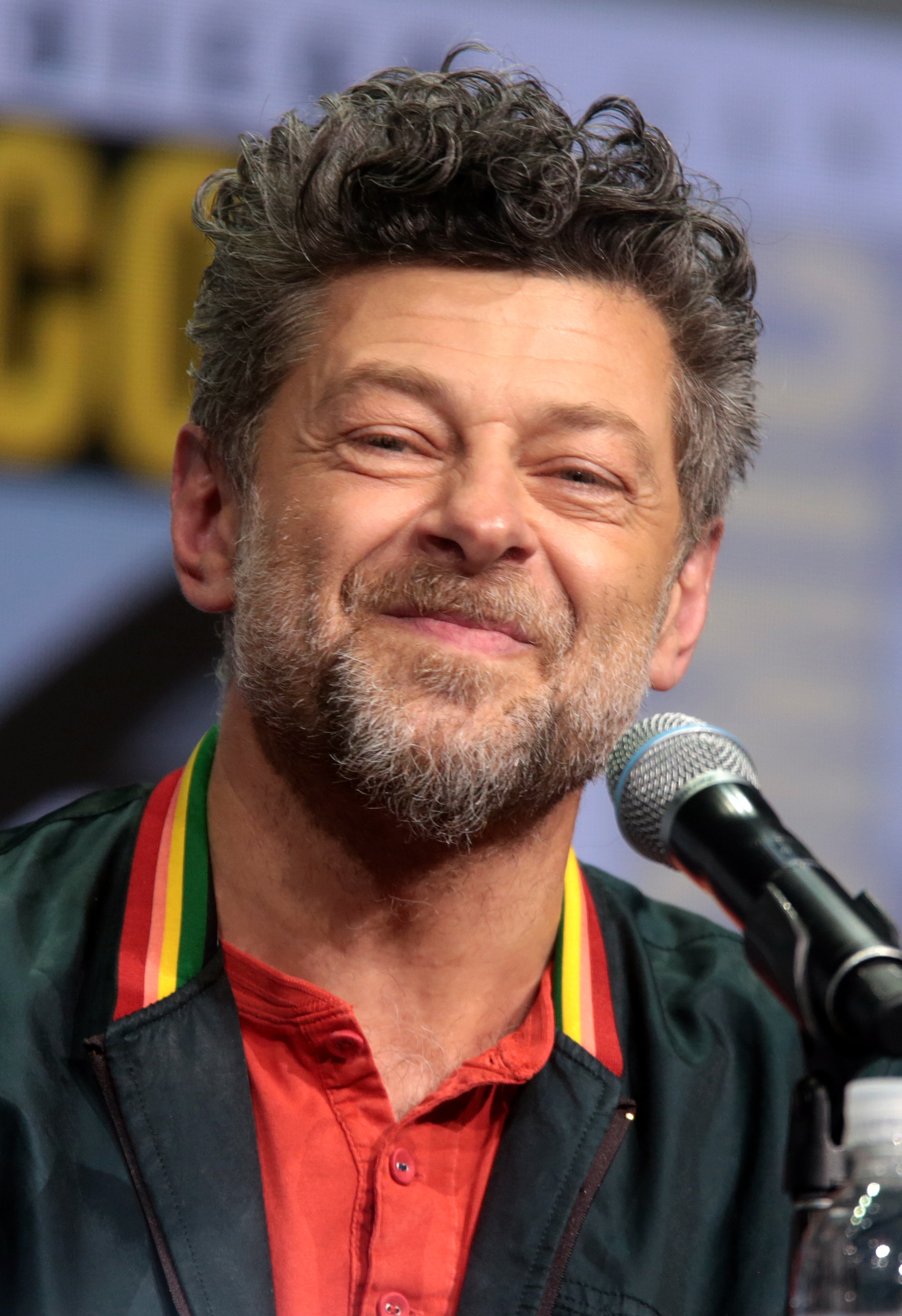
The director of The Hunt for Gollum has confirmed the production will use artificial intelligence to digitally de-age several actors, including Ian McKellen as Gandalf. Serkis insists AI will supplement traditional effects rather than replace actors.
Contents
Andy Serkis has confirmed that The Lord of the Rings: The Hunt for Gollum, currently in production, will use artificial intelligence to digitally de-age several actors reprising roles from Peter Jackson's earlier trilogy. The director stresses, however, that the technology is meant to support traditional visual effects rather than replace work done on set.
The Hunt for Gollum is set in a period close to the events of The Fellowship of the Ring, meaning actors such as Ian McKellen need to appear younger on screen than they do in real life. Serkis, who directs the film and originated the character of Gollum in the original trilogy, told Variety that some shots will undergo AI-assisted digital de-aging.
Limits on AI use
Serkis has repeatedly stressed that the production has no intention of creating shots generated entirely by AI. Instead, the team is relying on classic filmmaking techniques: building physical sets, shooting on location, and using prosthetic makeup, employed for example on the Orcs. Artificial intelligence is meant to come into play only at the post-production stage, as a tool supporting the visual effects studio's work.
There won't be any shots in our film made with artificial intelligence, every shot is made traditionally - Andy Serkis, director
Performance capture is built on an actor's creation. I don't think acting can be replaced - Andy Serkis, director
The director also set an ethical condition: in his view, digitally recreating or de-aging an actor's likeness with AI is acceptable only when that likeness has been properly negotiated and licensed with the actor beforehand. This is a response to concerns long raised by the acting community, which has warned for years about the use of faces and body movement without consent or compensation.
Orlando Bloom and a return to Middle-earth
Orlando Bloom, who has previously expressed interest in reprising his role as Legolas, also joined the conversation about the technology. Asked how such a return might work technically, he replied simply: well, AI. Bloom has previously emphasized that appearing in the original trilogy was a singular moment in his career, further fueling speculation about a possible return of characters from The Fellowship of the Ring in future installments of the series.
Dispute over Academy recognition for motion capture
The AI angle in The Hunt for Gollum coincided with another round of Serkis's campaign for the Academy to recognize motion capture performances. The actor points out that despite two decades of development in the technique, no performance capture role has ever received a nomination in the Academy Awards' main acting categories. Serkis himself was considered for his role as Sméagol in The Two Towers, but did not receive a nomination, with critics arguing in part that some of Gollum's shots were generated entirely by computer, without using footage of his actual performance.
Serkis argues that it is time for the Academy to value the work of actors in motion-capture suits on par with traditional on-camera performance. He contends that the technique has long since outgrown its role as a mere special effect and should be treated as a full-fledged form of acting, regardless of the digital layer added later by visual effects studios.
Industry context
Serkis's statements fit into a broader dispute unfolding in Hollywood over the limits of using AI to create and alter actors' likenesses. Actors' unions have for years demanded firm guarantees of consent and compensation for the use of scanned faces and body movement, while producers are increasingly turning to digital de-aging instead of casting younger actors for flashback roles.
For Polish audiences, the topic is notable because it shows how major studios are trying to set their own voluntary standards for AI use in film production before regulators or courts do it for them. Similar disputes over consent for the use of likeness and voice are already playing out around other projects using generative artificial intelligence in the entertainment industry.
The Lord of the Rings: The Hunt for Gollum is set to hit theaters on December 17, 2027. With more than a year and a half to go before release, producers say further details on the scope of AI use will be shared as work on the visual effects progresses.