News
Anthropic and OpenAI Poach Professors From Universities, 22 Researchers Left This Year
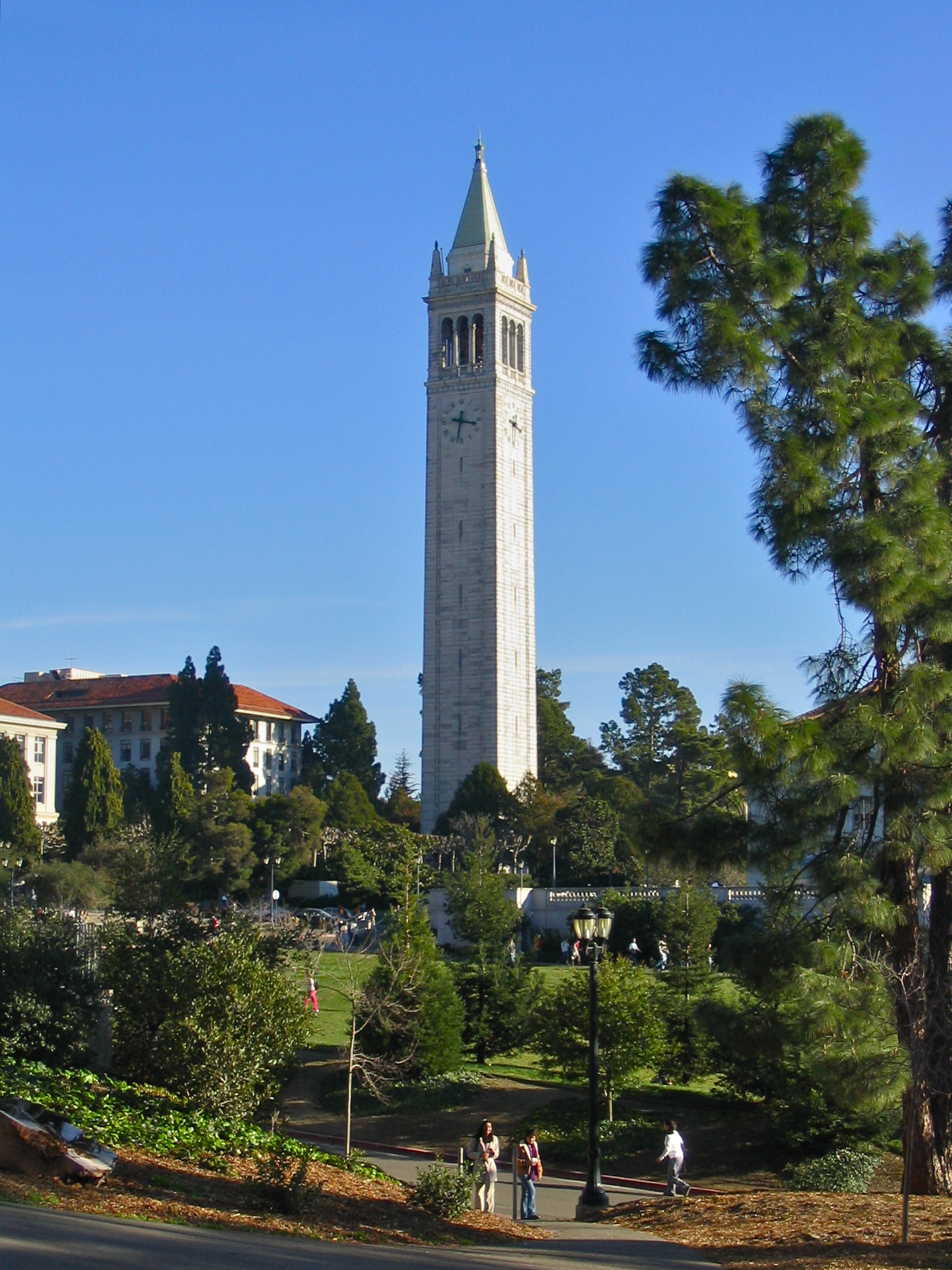
AI labs are luring researchers away from top universities at a record pace - in the first half of 2026, Stanford, Berkeley, Harvard and other schools lost a combined 22 professors to OpenAI, Anthropic, Meta and Google DeepMind.
Contents
In a two-week span spanning late June and early July 2026, Anthropic recruited four leading researchers, including chemistry Nobel laureate John Jumper. It's a symbol of a broader trend documented by The Information: since the start of the year, 22 professors at elite American universities have left or taken academic leave to join major AI labs.
Departures From Berkeley and Google
The transfers to Anthropic drew the loudest attention. In a short span, the company brought on John Jumper, creator of the AlphaFold system and winner of the 2024 Nobel Prize in Chemistry, along with two close collaborators from Google DeepMind who worked on the core of the Gemini model, Jonas Adler and Alexander Pritzel. The same group was joined by Jelani Nelson, chair of UC Berkeley's Department of Electrical Engineering and Computer Sciences (EECS), one of the world's most respected computer science departments.
Nelson, who earned his bachelor's, master's and 2011 doctorate from MIT and specializes in streaming algorithms, formally remains a university employee on academic leave rather than having left for good. It's an arrangement increasingly used by researchers tempted by offers from AI labs, one that keeps the door open for a return to academia.
I've joined Anthropic and taken a leave from the university. I'm excited to work with so many talented people committed to the mission around a technology that will define our era. - Jelani Nelson, UC Berkeley / Anthropic
Google Also Loses Ground to OpenAI
The talent drain is hitting not just universities but Google itself. Noam Shazeer, co-author of the landmark Transformer architecture paper and co-lead of the Gemini project, announced his move to OpenAI on June 18, 2026. Google had bought him back from the startup Character.AI in 2024 for about $2.7 billion, and is now losing him to its main rival. The string of departures from Google DeepMind, including Jumper, Adler, Pritzel and Shazeer within a few weeks, coincided with a 5-6 percent drop in Alphabet's stock price over two trading sessions in late June, wiping out hundreds of billions of dollars in market capitalization.
Why Universities Can't Compete
The reason behind the migration is simple: a gap in computing resources. Training models at the frontier of the AI race requires GPU clusters worth hundreds of millions of dollars, a scale no university grant can match. On top of that, compensation packages for senior AI researchers at major labs routinely dwarf the salaries of tenured professors. The losses aren't confined to computer science; more than half of the departures came from computer science departments, but the list also includes researchers from linguistics, philosophy and cognitive science.
Regulators Start Paying Attention
The scale of the phenomenon has caught the attention of regulators on both sides of the Atlantic. The U.S. Department of Justice and the European Commission have opened preliminary inquiries into whether the mass hiring of academic staff by a handful of major AI labs amounts to an unfair market practice, similar to illegal no-poach agreements between employers.
For Polish universities and research centers, the situation in the US is a warning sign, though the scale at home remains far smaller for now. The lack of computing resources competitive with major labs remains the main factor pushing Polish researchers to consider leaving or pursuing commercial collaboration instead of purely academic work.

