News
Aschenbrenner's AI Hedge Fund Dumps All Stocks After Margin Calls
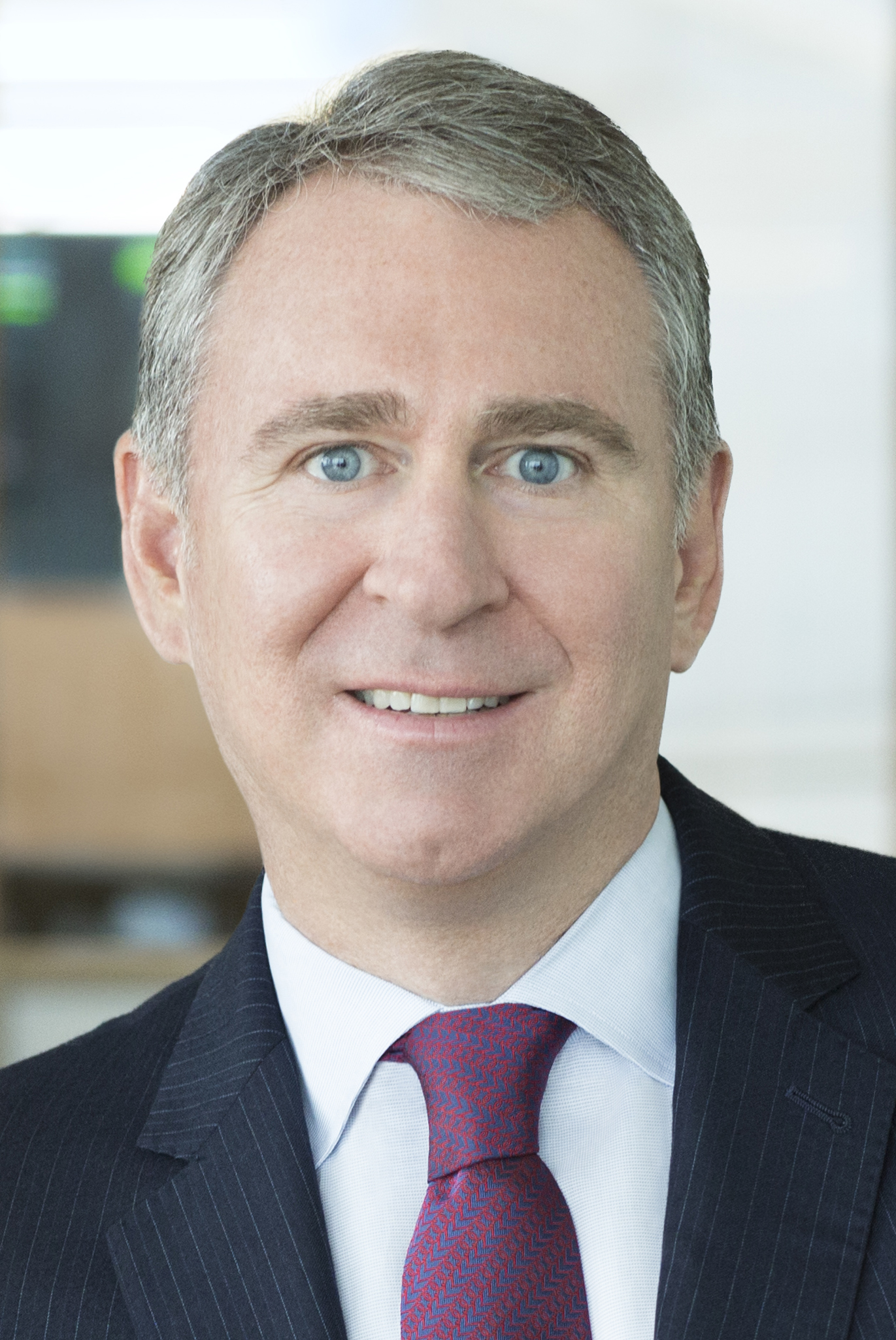
Situational Awareness, the hedge fund founded by former OpenAI researcher Leopold Aschenbrenner, sold its entire public stock portfolio to Ken Griffin's Citadel after facing margin calls. The fund's assets shrank from $45 billion to roughly $10 billion within weeks.
Contents
Hedge fund Situational Awareness, run by Leopold Aschenbrenner, a former researcher on OpenAI's Superalignment team, sold its entire public stock portfolio to Ken Griffin's Citadel. The reason was margin calls from three investment banks after a sharp decline in the value of companies tied to AI infrastructure.
From a Landmark Essay to a Market Giant
Aschenbrenner rose to prominence in 2024 with his essay "Situational Awareness," in which he predicted the rapid advance of artificial intelligence and warned of an AI arms race between the United States and China. Shortly after publishing it, he founded a fund of the same name, which attracted capital from Stripe founders Patrick and John Collison, investor Nat Friedman, Daniel Gross, and investment bank Jane Street.
The fund's strategy involved concentrating large, heavily leveraged positions in companies seen as beneficiaries of the AI infrastructure boom: memory chip makers, cloud computing providers, and data center energy suppliers. Through most of 2025 and the first half of 2026, the strategy delivered spectacular returns, growing the fund's assets from an initial $225 million to as much as $45 billion.
A Collapse Within Weeks
July's sell-off in AI sector stocks, driven partly by a nearly one-third drop in South Korea's Kospi index and a broader decline of more than 10 percent in the Nasdaq 100, hit Situational Awareness's portfolio especially hard because of its leverage. Companies such as SK Hynix, CoreWeave, Nebius, Micron and Bloom Energy, on which the fund had built concentrated bets, lost anywhere from the low teens to over 50 percent of their value over the same period.
With leverage of roughly four times its capital, even a moderate price decline was enough to trigger a cascade of margin calls. The fund's three main prime brokers, Goldman Sachs, JPMorgan Chase and Bank of America, demanded additional collateral, and when the fund could not supply it fast enough, selling the entire public portfolio to a single buyer became the only option.
Citadel Takes Over the Portfolio
The buyer was Citadel, the fund run by Ken Griffin, which bought back most of Situational Awareness's public positions in a single transaction executed ahead of Thursday's trading session. The deal avoided a chaotic sell-off on the open market that could have deepened the losses of already-weakened AI infrastructure stocks even further.
Tech stock investors can be impatient - from analyst commentary cited amid the broader sell-off in AI sector stocks
After the deal with Citadel, Situational Awareness retains only a private stake in Anthropic, valued at about $5 billion and acquired when the company was worth roughly $60 billion. The fund is now expected to operate as a much smaller investment vehicle focused on private equity and venture investments, stepping away from leveraged trading in publicly listed stocks.
What It Means for the AI Market
The Situational Awareness saga became, within a single month, a symbol of the risk of concentrating heavily leveraged capital around a single investment thesis, even one - the growth of artificial intelligence - that appears fundamentally durable. The fund, which as recently as June was touting a net gain of about 439 percent since launch, lost more than two-thirds of its assets within a matter of weeks.
The episode comes as other major financial institutions, including Bridgewater, warn that the investment boom around AI is entering a more dangerous phase, while JPMorgan analysts describe the current tech stock sell-off as a correction rather than the end of the bull market. For Polish investors and funds tracking exposure to tech stocks, Aschenbrenner's episode shows how quickly sentiment can turn around single, heavily concentrated bets on AI infrastructure.
Aschenbrenner himself has not publicly commented on the details of the deal with Citadel, and the fund has not issued an official statement beyond confirming the change in investment strategy. The market will now be watching whether other funds with similarly concentrated, leveraged exposure to the AI sector face comparable margin calls in the coming weeks.

