News
BLIK Processes First Payment Made Autonomously by an AI Agent
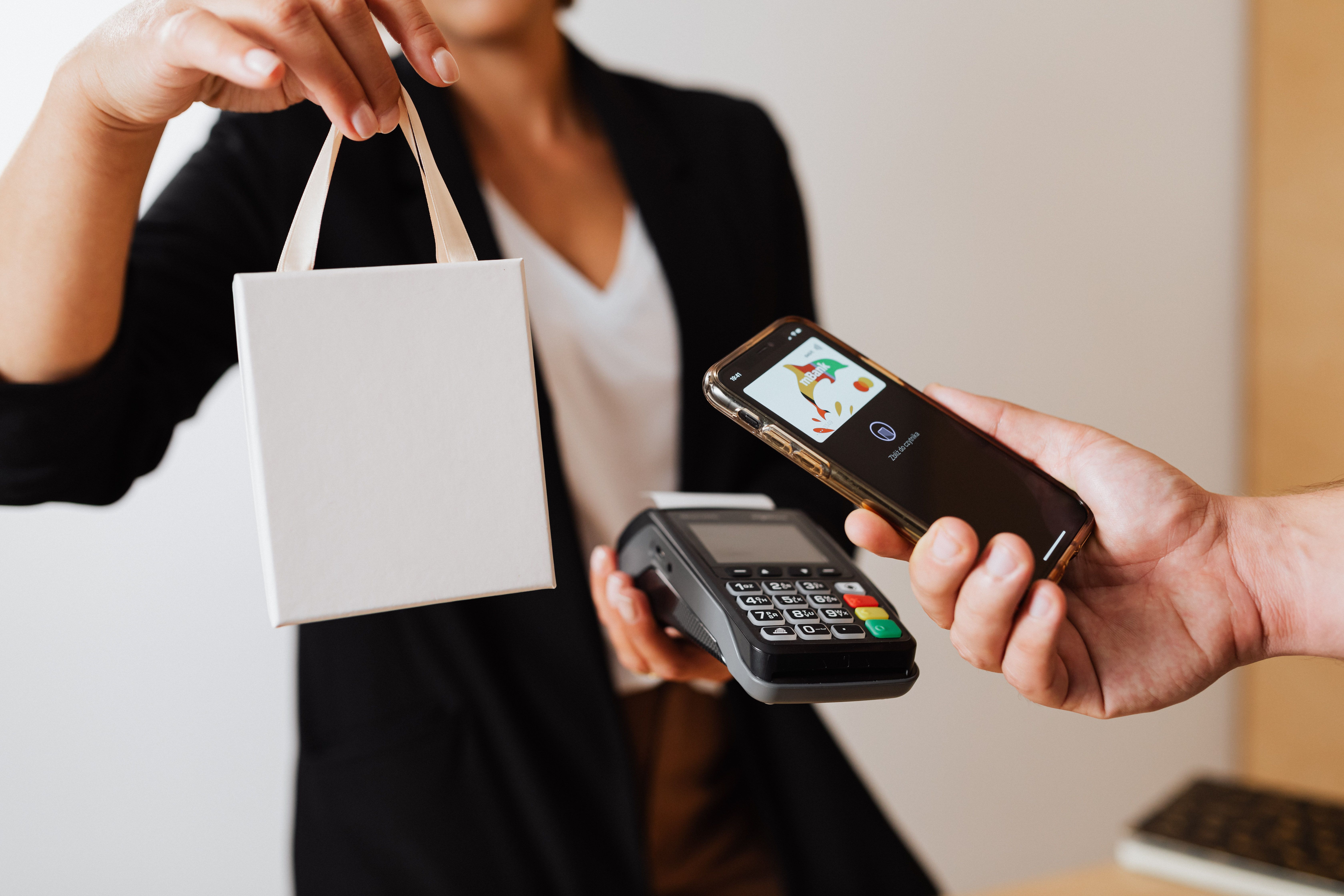
On September 9, 2026, an AI agent completed a purchase and paid via BLIK for the first time without any human involvement at the moment of payment. The pilot by BLIK, PayU, and startup Juo was tested at the Your KAYA cosmetics store.
Contents
Poland's BLIK payment system announced the first transaction in its history in which an AI agent independently completed a purchase and paid for it without any human involvement at the moment of finalization. The pilot took place on September 9, 2026, at the Your KAYA cosmetics store.
The mechanism looked deceptively simple, but it introduced several new elements into the payment chain. A logged-in Your KAYA customer asked an AI agent built on the startup Juo's technology to monitor the availability of a specific product that was temporarily out of stock. At the same time, the customer immediately authorized the system to complete the purchase by entering a one-time 6-digit BLIK code and approving the permissions in the banking app.
How the agent worked
When the hand cream came back into stock, the agent detected its availability on its own, added the product to the cart, and completed the transaction using the payment authorization granted earlier. The customer didn't need to click anything, confirm anything, or enter a new BLIK code at that point - the whole operation ran in the background, within the limits and consents set earlier in the banking app.
Three parties were responsible for the technology side. Juo provided the chat interface where the customer talked to the agent and issued instructions. PayU handled and recorded the payment transaction itself. BLIK, the company called Polski Standard Płatności (Polish Payment Standard) owned by seven banks and Mastercard, provided the payment rail that made it possible to carry out the operation without human involvement at the moment the purchase was finalized.
More and more solutions are appearing on the market that can search for a product, compare offers, and point to the best option - Monika Król, BLIK Deputy CEO
The missing piece of agentic commerce
Monika Król stressed that until now, the process had been missing the one element that would close the loop on AI-driven shopping: payment. According to her, the pilot is testing whether Poland's payment infrastructure can become the foundation of an entirely new shopping model, in which the consumer sets the rules and the AI agent carries out specific transactions within them.
The first payment completed by an AI agent without direct user involvement confirms that agentic commerce is no longer just a concept - Katarzyna Prus-Malinowska, Head of Product Management, PayU
The term agentic commerce describes a trading model in which software, rather than a person, searches offers, compares prices, and finalizes a purchase on the user's behalf. Until now, most implementations stopped at the recommendation or price-comparison stage, leaving the final decision and the "buy now" click to the human. The pilot by BLIK, PayU, and Juo pushes that boundary one step further, extending it to the moment of payment authorization as well.
Control stays with the user
BLIK representatives stress that the agent doesn't operate without limits. All transactions take place within consents and limits defined in advance in the banking app, and the one-time BLIK code together with the permission approval constitute a single act of authorization, after which the system can act on its own only within those set boundaries. That distinction matters both legally and for public perception, especially given the growing number of reports about AI agents that made overly aggressive use of the permissions they were given.
By comparison, in the United States the reservation platform Resy recently had to suspend the account of an investor whose AI agent was sending the system hundreds of requests per hour in an attempt to grab hard-to-get restaurant reservations. The BLIK case shows the opposite scenario: an agent acting slowly, within a single predefined task and a strictly limited payment authorization.
What it means for the Polish market
For Polish online stores and banks, the pilot signals that the payment infrastructure built around BLIK, currently controlled by seven financial institutions, is starting to test a role that goes beyond handling payments initiated directly by a human. If the model proves itself, online stores could start building integrations with shopping agents similar to those being developed in the US by OpenAI or Perplexity, but based on a domestic payment method that Polish users already know well.
For now, this is just a single pilot covering one store and one low-value type of transaction, so it's too early to call it a finished product. BLIK, PayU, and Juo have not yet given a timeline or scope for any broader rollout of agentic commerce in Poland.