News
British AI System Reads ECGs in Two Seconds, Detects Hidden Heart Disease
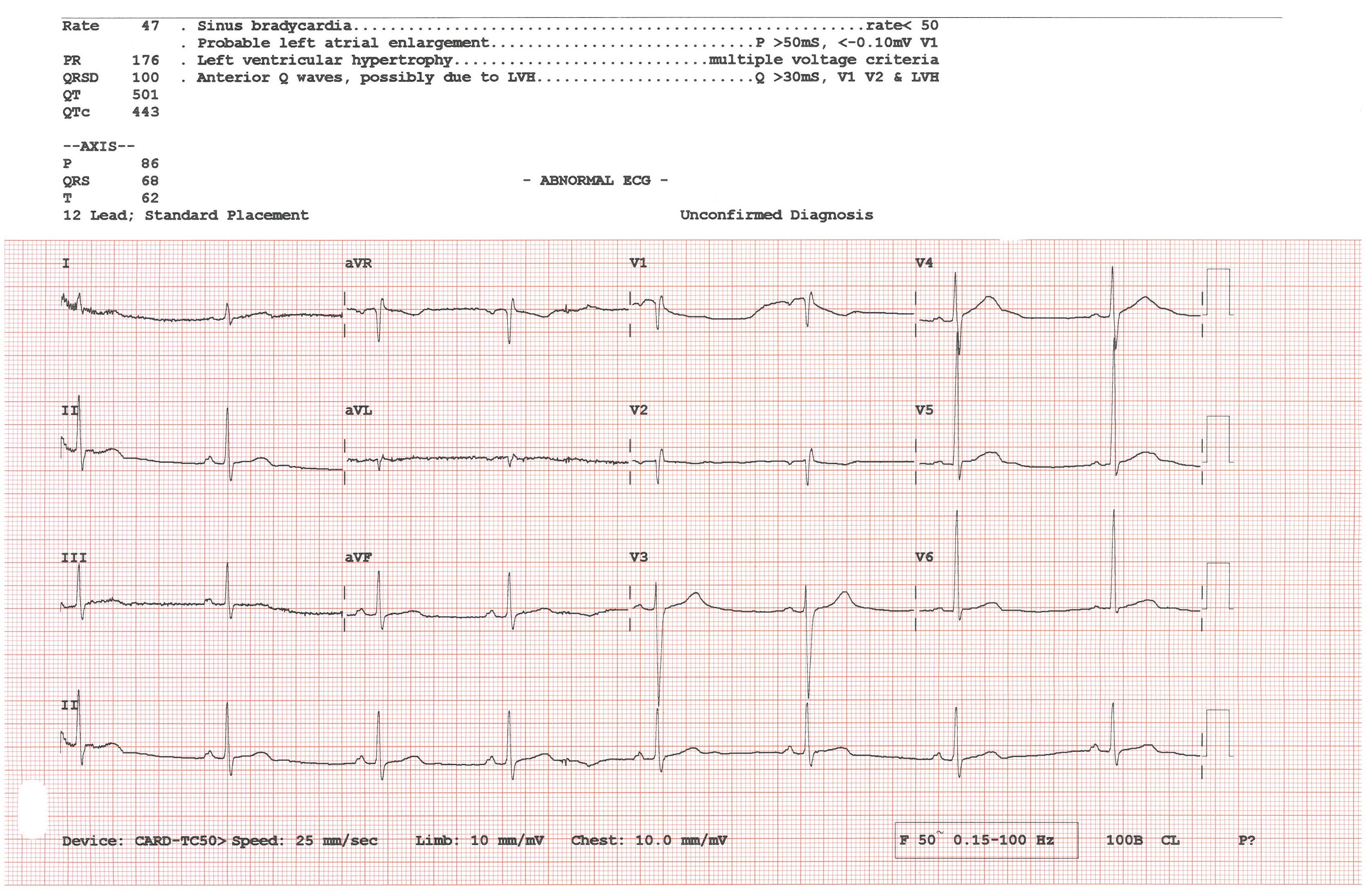
Researchers at Imperial College London have unveiled an AI model that detects heart failure from a routine ECG in 81 percent of cases and valve disease in 90 percent. The technology is now entering clinical trials on 590 NHS patients.
Contents
The team at Imperial College London announced on September 3, 2026, that its artificial intelligence system can read a standard, ten-second ECG recording in under two seconds and detect signs of heart failure and valve disease that even an experienced cardiologist would miss. The technology is now moving into clinical trials at five British hospitals.
What the study found
The study's authors, led by Dr. Ahmed El-Medany, a British Heart Foundation Research Fellow at Imperial College London, trained the models on millions of hospital ECG recordings and then tested them on tens of thousands of patients in the United States. The system correctly flagged four out of five people with heart failure and nine out of ten people with significant valve disease, even though standard ECG testing was never designed to detect either condition.
Crucially, the signal the AI uses to make its diagnosis has physically been present in ECG recordings all along, the human eye simply cannot extract it. The electrocardiogram has remained, for more than a hundred years, one of the cheapest and most widely performed tests in medicine, so the ability to pull additional information from it without any new equipment carries significant practical weight.
We were looking at ECG recordings to see if we could do something superhuman. Not things clinicians can already do, but things no cardiologist, however experienced, is able to do - Dr. Arunashis Sau, Chief Scientific Officer at Cardiovolt.ai
From lab to startup
The research has been spun out into a company called Cardiovolt.ai, tasked with turning the scientific findings into a tool ready for large-scale hospital deployment. The company is led by Dr. Arunashis Sau as Chief Scientific Officer, Professor Fu Siong Ng as Chief Medical Officer, Dr. Libor Pastika as Chief Technology Officer, and Boroumand Zeidaabadi Nezhad as CEO. The company has raised 1.4 million pounds to date from Twin Path Ventures, Innovate UK grants, and Imperial College London accelerator programs, alongside years of research support from the British Heart Foundation.
Beyond detecting heart disease, according to Imperial College London, Cardiovolt.ai's models can also flag conditions unrelated to the heart itself from the same ECG recording, such as diabetes or kidney disease, as well as estimate a patient's risk of death. Accuracy for heart conditions alone ranges from 83 to 93 percent, while for non-cardiac conditions it ranges from 70 to 80 percent.
Trials at five hospitals
The technology is currently being tested in clinical settings on 590 NHS patients across five sites: Chelsea and Westminster Hospital, West Middlesex University Hospital, Hammersmith Hospital and St Mary's Hospital in London, and Bristol Royal Infirmary and Southmead Hospital in Bristol. Professor Fu Siong Ng, a consultant cardiologist at Chelsea and Westminster Hospital NHS Foundation Trust, is co-leading the trial together with the team that conducted the earlier validation studies.
The tool's developers stress that it is meant for triage, that is, quickly flagging patients who need further diagnostic workup, not for replacing a doctor. The goal is for people suspected of having structural heart disease to get an echocardiogram sooner, rather than waiting in the standard diagnostic queue.
What's next for the technology
The Cardiovolt.ai team plans to seek regulatory approval in the United Kingdom, the European Union, and the United States, treating hospitals and healthcare systems as its primary market. According to the researchers' estimates, routine use of AI-ECG technology in everyday clinical practice could become possible in about two years, provided the ongoing trials confirm the results obtained on retrospective data.
For Poland's healthcare system, where ECG is a test routinely performed in primary care and emergency departments, a tool like this could in theory allow earlier detection of heart failure without any additional equipment costs. Rollout would, however, depend on obtaining medical certification in the European Union and integration with the ECG systems already in use at healthcare facilities.
Cardiovolt.ai's story fits into a broader trend of using artificial intelligence to extract additional information from standard, inexpensive medical tests, from X-rays to routine blood work. What sets this case apart is the scale of the training data and the specific performance metrics, verified on tens of thousands of patients, rather than just demonstration results from a lab.