News
Bundeswehr Tests Kamikaze Drones and AI Targeting Software in Lithuania
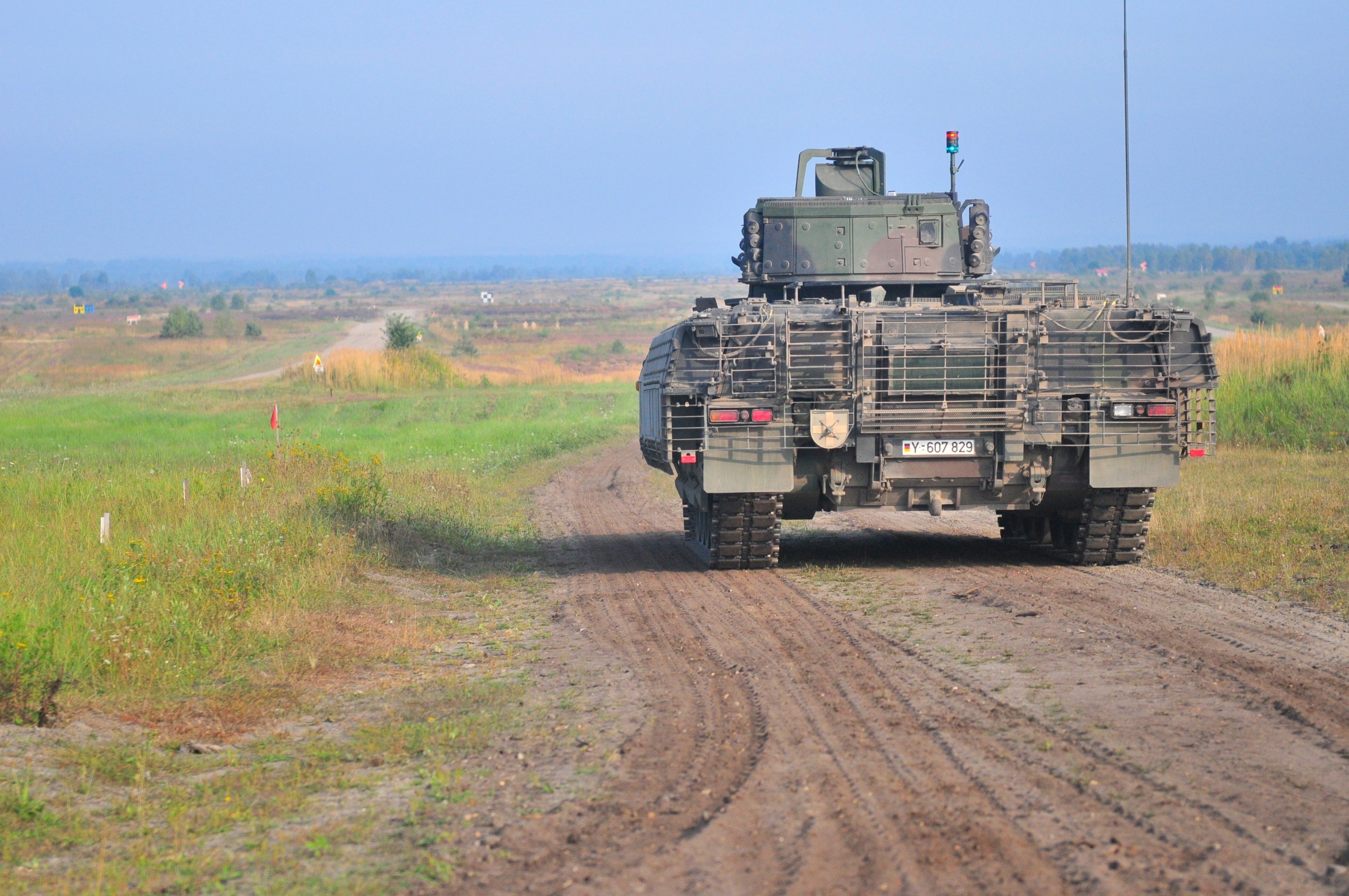
The German army has begun trials of loitering munitions from Helsing and Stark Defence, along with the Clarity platform for reconnaissance and target designation, at the Rūdninkai training area. According to Euronews, the drones carried dummy warheads, and the systems' effectiveness has yet to be demonstrated.
Germany's armed forces have begun trials in Lithuania of loitering munitions, commonly known as kamikaze drones, and of software with artificial intelligence elements that supports reconnaissance and target designation. The tests are taking place at the Rūdninkai training area near the Belarusian border, Euronews reported on 22 November 2026.
According to Euronews, citing Reuters, the trials are part of the multinational Freedom Shield exercise. It also includes manoeuvres, electronic warfare and cooperation between branches of the armed forces. German units are assessing how AI could improve reconnaissance, target identification and decision-making.
What was actually tested
During the trials, German soldiers tested drones against simulated armoured targets. Inert warheads were used, so there were no real explosions. A loitering munition stays airborne, searching for a target or waiting for one, and once an attack is authorized it destroys itself on impact.
According to Euronews, unlike missiles launched toward a previously designated target, such drones give operators more time to observe the situation before committing to an attack. The Bundeswehr is examining how they could complement artillery, reconnaissance platforms and armoured formations.
The role of Clarity
German soldiers also evaluated Clarity, an intelligence and targeting platform developed by Helsing. It is designed to process data from several sources, potentially including drones, surveillance systems and other sensors. Euronews writes that this could speed up the passage of information through successive stages of analysis and give commanders a fuller picture of the situation.
These are descriptions of what the system is meant to do. The article gives no test results and no comparison with the work of human analysts.
The security context
Lithuania borders Belarus and Russia's Kaliningrad region. Germany has committed to permanently stationing Panzerbrigade 45, a armoured brigade, on its territory, which is to reach full operational capability by 2027 with about 5,000 troops plus civilian staff. Russia denies that it intends to attack NATO and criticizes the alliance's military buildup near its borders.
Caveats
Euronews notes that it remains to be demonstrated whether these systems will deliver the expected benefits. The Bundeswehr itself has acknowledged that battlefield drone success rates can be significantly lower than footage of successful strikes suggests. Experience from the war in Ukraine also shows that cheap drones can threaten costly equipment, but are vulnerable to electronic interference, communication disruptions and counter-drone defences.
The article gives no contract values, no quotes from named officials and no exact dates for individual trials. For Polish readers, the key point is the direction of travel: a neighbour and ally is testing, on NATO's eastern flank, tools in which AI is meant to shorten the path from sensor data to a commander's decision.