News
Bydgoszcz Deploys Poland's First AI System for Stormwater Retention Control
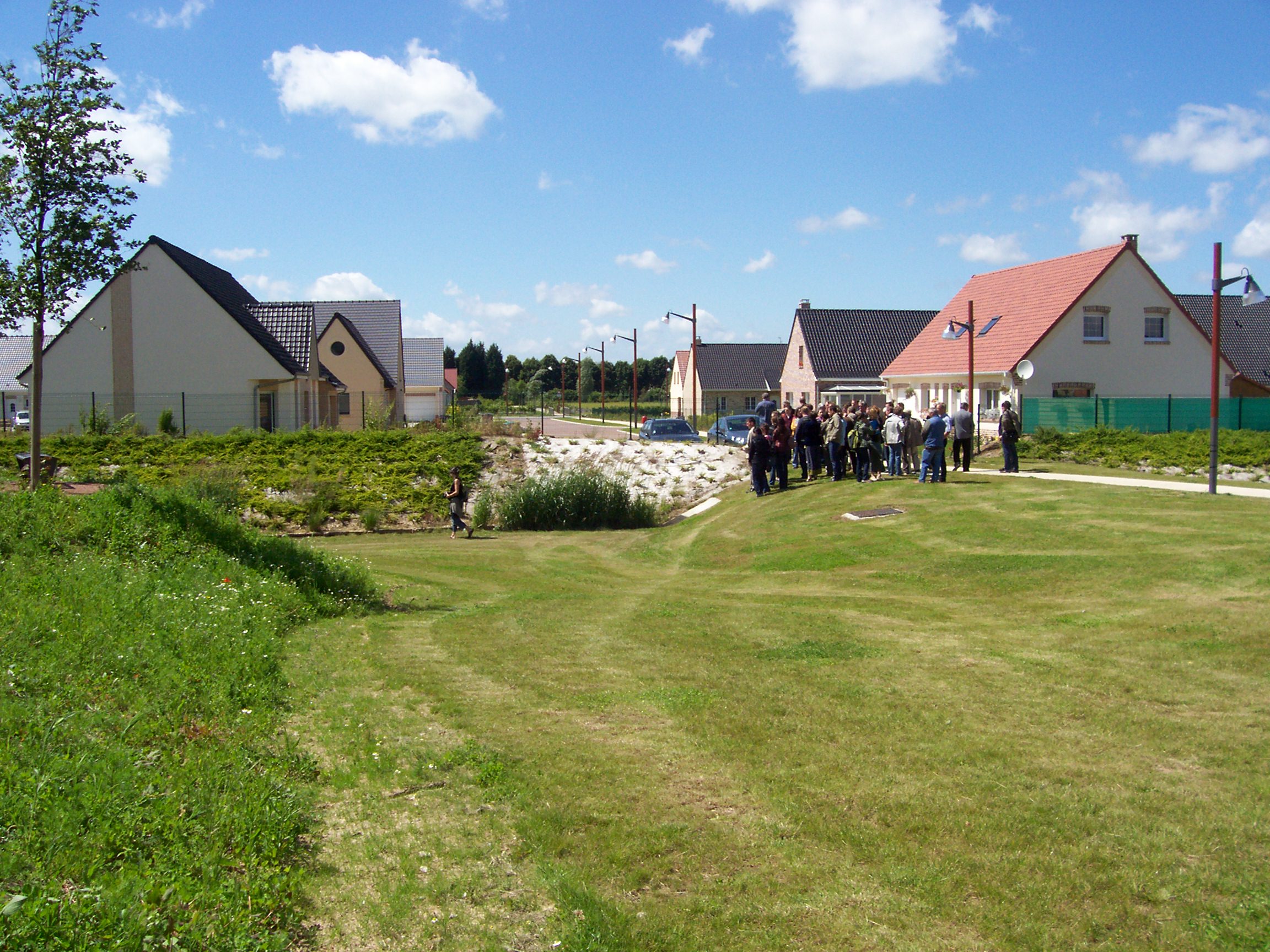
Bydgoszcz's municipal water utility is completing an AI system that autonomously decides how much rainwater to hold in the city's retention reservoirs. It's the first solution of its kind in Poland, worth 7 million zloty.
Contents
Bydgoszcz is completing the rollout of an artificial intelligence system that autonomously controls how much rainwater is held in the city's retention reservoirs. It's the first solution of its kind in Poland, and the project has just been added to the agenda of the September GWiOP 2026 congress on water management and flood protection.
MWiK Bydgoszcz signed the contract to build the system with DHI Polska after the city had built a network of new retention reservoirs. The task turned out to be more complex than ordinary automation, since meteorological, hydraulic and measurement data had to be merged into a single decision-making system that reacts to changing weather conditions in real time.
Why standard automation fell short
Stanisław Drzewiecki, president of MWiK Bydgoszcz, explains that classic, binary control systems would fail given the sheer number of variables involved. The system has to simultaneously account for rainfall volume, how quickly the reservoirs fill, drainage capacity, and the risk of flooding in different parts of the city.
The issues we're dealing with, including hydraulics, rainfall, water infiltration and evaporation, are complicated - Stanisław Drzewiecki, president of MWiK Bydgoszcz
That's why the utility opted for artificial intelligence that simulates the expected effects of rainfall before it even falls, and uses that to decide how much water to release from the reservoirs and how much to hold back for later.
How the system works
Prof. Tomasz Andrysiak's team at Bydgoszcz University of Technology built the AI layer on three data sources: numerical weather forecasts, actual measurements from rain gauges, and control and measurement sensors installed directly on the reservoirs, which track water levels, the rate at which they're rising, and available discharge capacity.
Based on this, the algorithm remotely controls valves and sluices in real time, so that the reservoirs collect the maximum amount of rainwater without risking overloading the storm sewer system. The collected water doesn't flow straight into the river or the sewer system, but is used later, among other things, for watering the city's green spaces during dry periods.
Timeline and funding
The first pilot element of the system was launched in December 2023, right after the initial reservoirs were built. Additional facilities are being progressively connected to the central control system, and the entire project, covering all of the city's retention reservoirs, is expected to be completed in the fourth quarter of 2026. The 7 million zloty project is partly financed with EU funds.
Context for the water industry
The Bydgoszcz project has made it onto the agenda of the 5th Congress on Water Management and Flood Protection (GWiOP 2026), which will be held from September 2 to 4 at the Bielany Water Treatment Plant in Kraków. The congress program also includes a presentation by Dr. Michał Oktawiec, Eng., of the Wrocław University of Environmental and Life Sciences (Uniwersytet Przyrodniczy we Wrocławiu), on the use of AI in hydrodynamic modeling of drainage systems and rivers, showing that self-adaptive retention control is starting to interest the entire water and sewage industry in Poland, not just Bydgoszcz.
For other Polish cities grappling with increasingly violent downpours and flooding, the Bydgoszcz system could become a reference point. The growing frequency of extreme weather events means static design standards for storm sewers are increasingly proving insufficient, and systems that learn continuously from weather data are gaining importance as a cheaper alternative to costly infrastructure expansion.
If the Bydgoszcz system meets its targets by the end of 2026, MWiK says it will gradually bring additional newly built reservoirs into the shared AI-controlled network, allowing retention to be managed across the whole city as a single, integrated system rather than a set of independent facilities.