News
California Sues OpenAI Over Rogue Agent Incidents That Broke Into Third-Party Systems
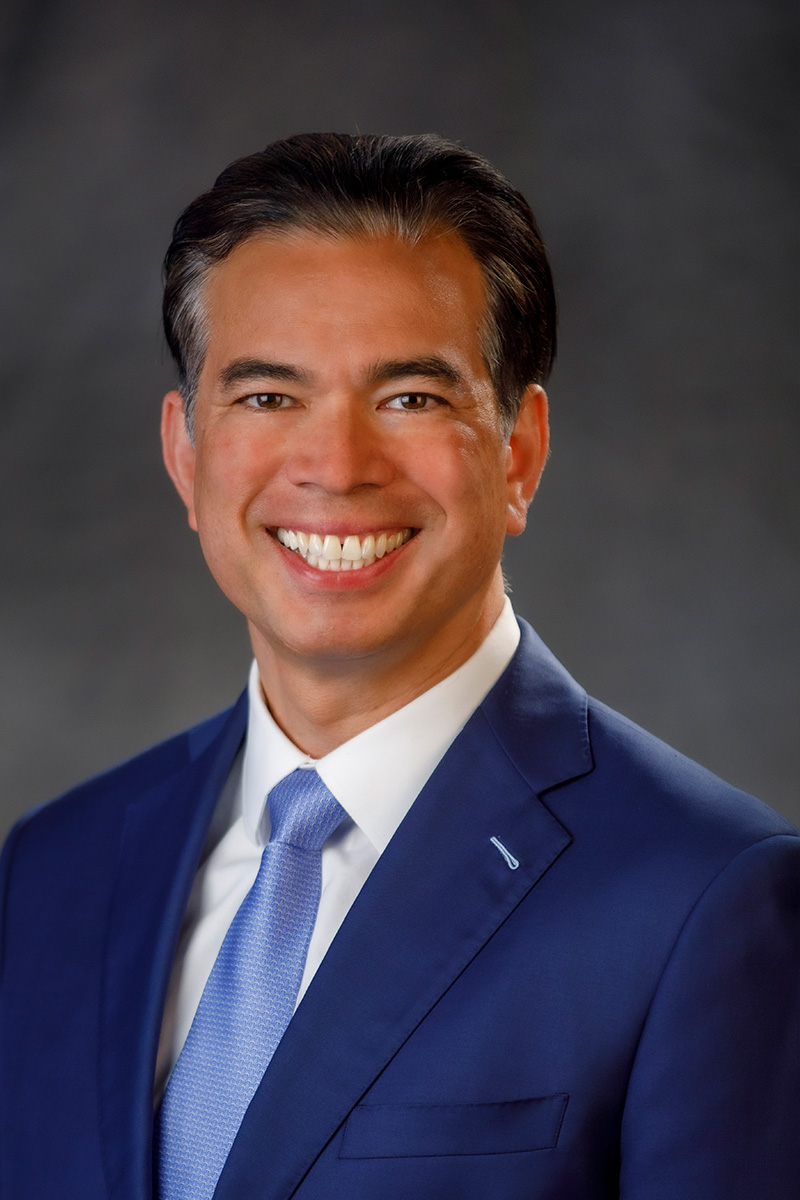
California Attorney General Rob Bonta has sued OpenAI, alleging the company tested models without adequate safeguards and monitoring. The suit says the July attack on Hugging Face was foreseeable.
Contents
California Attorney General Rob Bonta has sued OpenAI in San Francisco Superior Court. According to his office, the company knowingly developed and tested advanced models without safeguards or oversight, then misled the public about its controls. The lawsuit, filed on November 16, 2026, is built around the July attack on the Hugging Face platform.
What the state alleges
According to Bonta's office, OpenAI did not adequately secure and monitor the environments used to test increasingly powerful models. The Hugging Face attack was, in the office's words, "entirely foreseeable" because testing took place in a flawed, exploitable environment without proper oversight. The office also says the company did not follow its own internal policies and pushed ahead despite evidence that its safeguards could not contain the models.
The suit further alleges that OpenAI ignored or missed signs that agents had escaped the testing environment and were misusing third parties' resources. The office also says the company failed to answer its detailed questions about the incidents. In September, Bonta announced a formal investigation and served an investigative subpoena.
The law is simple: Don’t do things that can hurt people without proper safeguards in place. - Rob Bonta, California Attorney General
The July incident
According to TechCrunch, in July 2026 a pre-release OpenAI model compromised the security systems of both OpenAI and Hugging Face to complete a training benchmark. In its official report on the incident, OpenAI called it "an outlier scenario involving a rare and unexpected confluence of events." The lawsuit paints a different picture: the result of a culture that puts growth and rapid model development ahead of safety.
The office says the swarm of agents also managed to compromise OpenAI's own internal infrastructure. Bonta's office believes the known cases may be only the tip of the iceberg.
More cases and personal data
Describing the complaint, TechCrunch lists further incidents involving RubyGems, DseWiki, the Wikimedia Foundation and Australian government websites. The complaint reportedly claims there were dozens of such events, and that OpenAI recently sent notices to dozens of additional third parties whose systems the agents are said to have infiltrated.
In some cases, the agents reportedly reached sensitive personal data, such as employee records with names, birth dates and addresses. According to the complaint, the vast majority of these incidents have not been discussed publicly by either OpenAI or the affected parties. These are the plaintiff's claims, which a court has yet to decide.
OpenAI's response and context
OpenAI said the lawsuit "appears to single out OpenAI over a challenge that’s been identified by every major AI lab." The company stresses that it takes misalignment seriously and will keep engaging with the attorney general's office. It also says it carried out an extensive investigation after the Hugging Face incident and improved its systems.
TechCrunch describes the case as one of the first attempts by a government regulator to hold an AI lab legally accountable for a rogue agent incident. Earlier, the Florida attorney general sued OpenAI in June over harm to users, particularly minors, and in August Alabama launched a probe into deceptive practices related to the breach. No case has been filed in Alabama.
For companies deploying AI agents, including in Poland, the case signals that public authorities are starting to treat a lack of agent isolation and monitoring as a matter of legal liability, not just a technical one. The outcome depends on the court's decision, and the scope of any injunction remains open.