News
DeepSeek Designs Its Own AI Chip to Cut Ties With Nvidia and Huawei
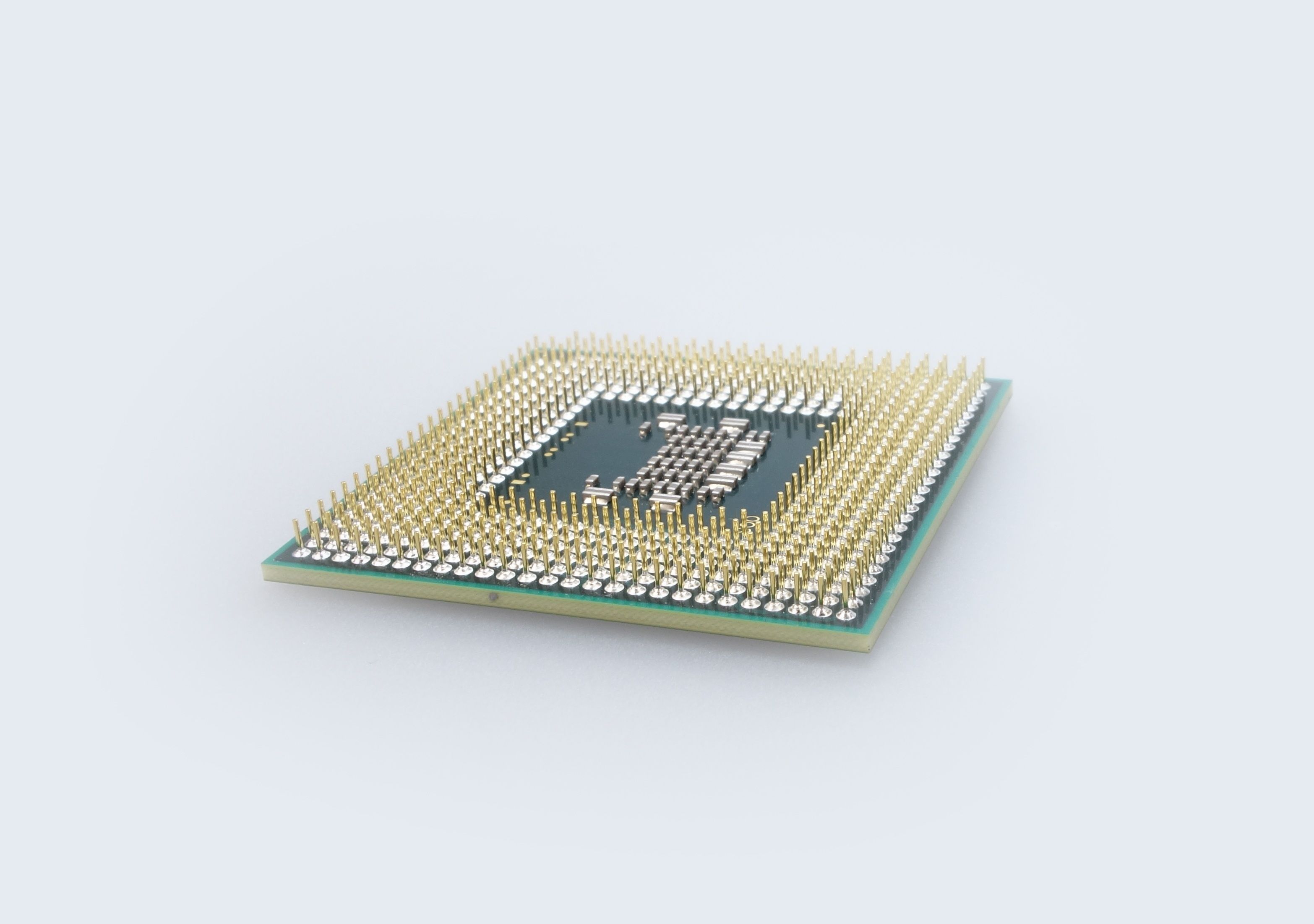
Chinese startup DeepSeek is working on its own AI inference chip to cut its reliance on Nvidia and Huawei processors, Reuters reported, citing three people familiar with the matter. It's the latest move in the race for chip independence, following similar steps by OpenAI and Anthropic.
Contents
Chinese startup DeepSeek, the maker of models that triggered a deep sell-off in US tech stocks in January 2025, is designing its own artificial intelligence processor. According to Reuters, which cited three people familiar with the matter, the goal is to reduce the company's dependence on Nvidia and Huawei chips, which it has so far used to train and run its models.
Why inference, not training
The choice to focus on an inference chip rather than a training chip carries strategic weight. Inference is currently one of the fastest-growing sources of demand for AI computing power, since it's the stage where chatbots, coding assistants, enterprise tools and autonomous agents handle millions of queries a day. Building a cheap, efficient chip for that job would let DeepSeek cut operating costs without having to compete with Nvidia in the most advanced training-chip segment.
Export pressure from Washington
US export controls bar Chinese firms from buying Nvidia's most advanced processors, and Beijing has spent months pushing its tech champions to build domestic alternatives. DeepSeek, whose cheap and efficient R1 model architecture rattled markets in early 2025, has so far relied on a mix of Nvidia and Huawei chips, including the H800 built specifically for the Chinese market, before that model too ended up on the US ban list.
Nvidia has already lost most of its China data center revenue to earlier restrictions, so DeepSeek's latest step toward independence carries more symbolic than financial weight for the Santa Clara giant in the short term. What matters more is what the move signals about the direction of China's broader AI industry.
A wider push for chip independence
DeepSeek is not an isolated case. In June 2026, OpenAI unveiled its own inference chip, named Jalapeno, developed in partnership with Broadcom, and Anthropic has been weighing building its own AI chips for some time. Major industry players increasingly want to cut their reliance on a single hardware supplier, for both cost and geopolitical reasons.
Designing a competitive AI chip from scratch, however, is a process that typically takes years and demands capital investment in the billions of dollars, with no guarantee of success. Even deep-pocketed companies with access to top engineers, like Google and Amazon, needed multiple generations of their own chips before reaching performance competitive with Nvidia's offerings.
What it means for the market
For Polish companies using DeepSeek's models through APIs or local deployments, the mere fact that a proprietary chip is in the works changes nothing in the near term, a project like this needs years of development. The more important signal is a market one: another major AI lab is actively seeking an alternative to Nvidia's monopoly on AI chips, which over the longer run could lower AI infrastructure costs and increase competition in the semiconductor market.
For Nvidia itself, the key question remains whether similar moves emerge among its other major customers outside China, where the company still holds a dominant position thanks to its Blackwell architecture, sold out through mid-2026, and its Rubin architecture, unveiled earlier than planned.
Sources: Reuters via Bloomberg (bloomberg.com), Engadget (engadget.com), TechNode (technode.com)