News
Deloitte: 63% of Poles Shop With AI Help, but Won't Hand Over Their Wallet
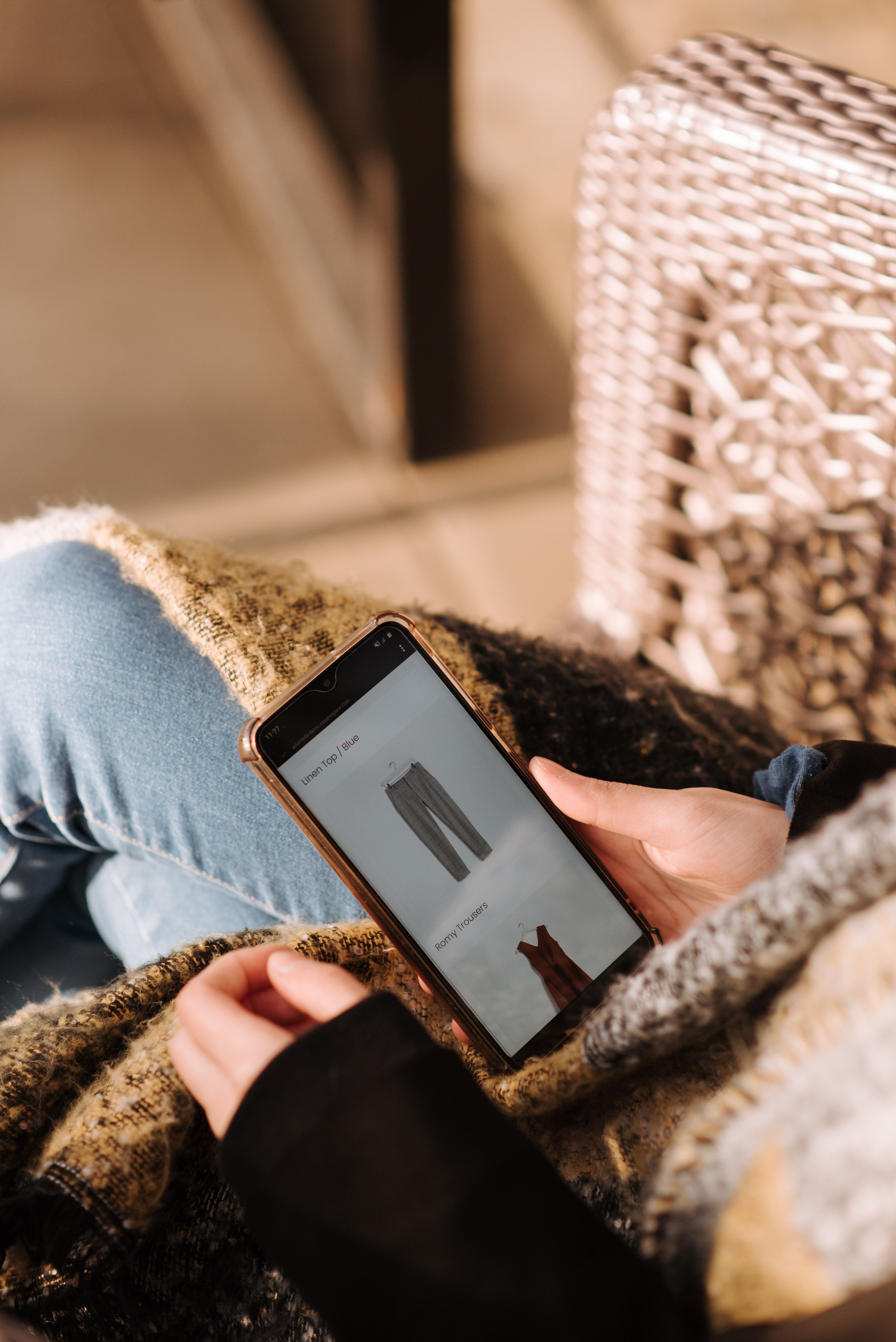
A Deloitte survey of 13,500 European consumers finds Poles use AI while shopping more than anyone else in the region, but few are ready to let it complete the payment.
Contents
Artificial intelligence has entered Polish shopping carts faster than anywhere else in Europe, but Poles draw a hard line the moment money changes hands. A new Deloitte study shows that using AI to search for and compare products has become an everyday habit, while handing it the final purchase and payment decision still breeds distrust.
Deloitte's data shows Polish consumers are among the leaders in Europe when it comes to using artificial intelligence in commerce. The 63 percent figure puts Poland ahead of Germany and the United Kingdom, which the study's authors attribute to the rapid digitalization of Polish e-commerce and a large base of young, mobile customers already accustomed to shopping apps.
Where the trust line is drawn
The gap between the two scores in the study explains exactly where that line sits. Consumers praise AI for helping them find information, compare prices and surface recommendations, rating that function at 5.3 points on the seven-point scale. When asked about handing AI the purchase decision itself, the average rating drops to 2.3 points.
A more detailed breakdown shows that around 37 percent of respondents would let an AI agent independently find the best price for a given product. Far fewer, about 8 percent, are already willing to let AI complete the transaction and pay on their behalf. That gap shows acceptance of the technology stops the moment actual money is on the line.
Agentic commerce forecast
Consumer attitudes collide with industry forecasts that predict a much faster pace of shopping automation. Gartner estimates that by 2027, artificial intelligence will account for 15 percent of everyday household purchases in developed countries, covering everything from small grocery buys to recurring electronics orders.
Signifyd, a company specializing in online transaction protection, is already seeing a concrete signal of this trend in the United States: transactions carried out directly between machines, without a human clicking the buy button, are growing 42 percent a year in the electronics and fast-moving consumer goods segments. Analysts say a similar pattern is starting to spread to Europe, including Poland.
What this means for Polish retailers
For e-commerce companies operating in Poland, the Deloitte findings amount to a dual challenge. On one hand, product descriptions, data and pages need to be adapted for the fact that they are increasingly read not by a human but by an AI assistant comparing offers on their behalf. On the other, the checkout process itself still has to build trust directly with the customer, since it is the person, not the algorithm, who makes the final call on spending money.
Retailers that invest solely in search engine visibility and ad campaigns risk missing a new channel shaping purchase decisions: optimization for AI engines. At the same time, pushing customers too aggressively toward automated payment by an AI agent may, according to the study's findings, run into clear resistance, especially in Poland, where trust in autonomous AI decisions remains low.
Differences between countries
The comparison of Poland, Germany and the United Kingdom in the Deloitte study shows that the pace of AI adoption in shopping is not uniform across Europe. The higher share of AI users in Poland than in Western countries may stem from weaker attachment to traditional brick-and-mortar retail channels and a faster shift straight to mobile, app-based models, where AI assistants are already a built-in part of the interface.
The study's authors have not yet released data from other countries in the region but say they plan to expand the analysis in future editions. For the Polish market, where e-commerce is growing faster than the European average, the finding could be an argument for local retailers to test integrations with shopping assistants sooner than their Western European competitors.