News
Elastic AI-Powered Skin Patch Analyzes Heart Activity in Real Time
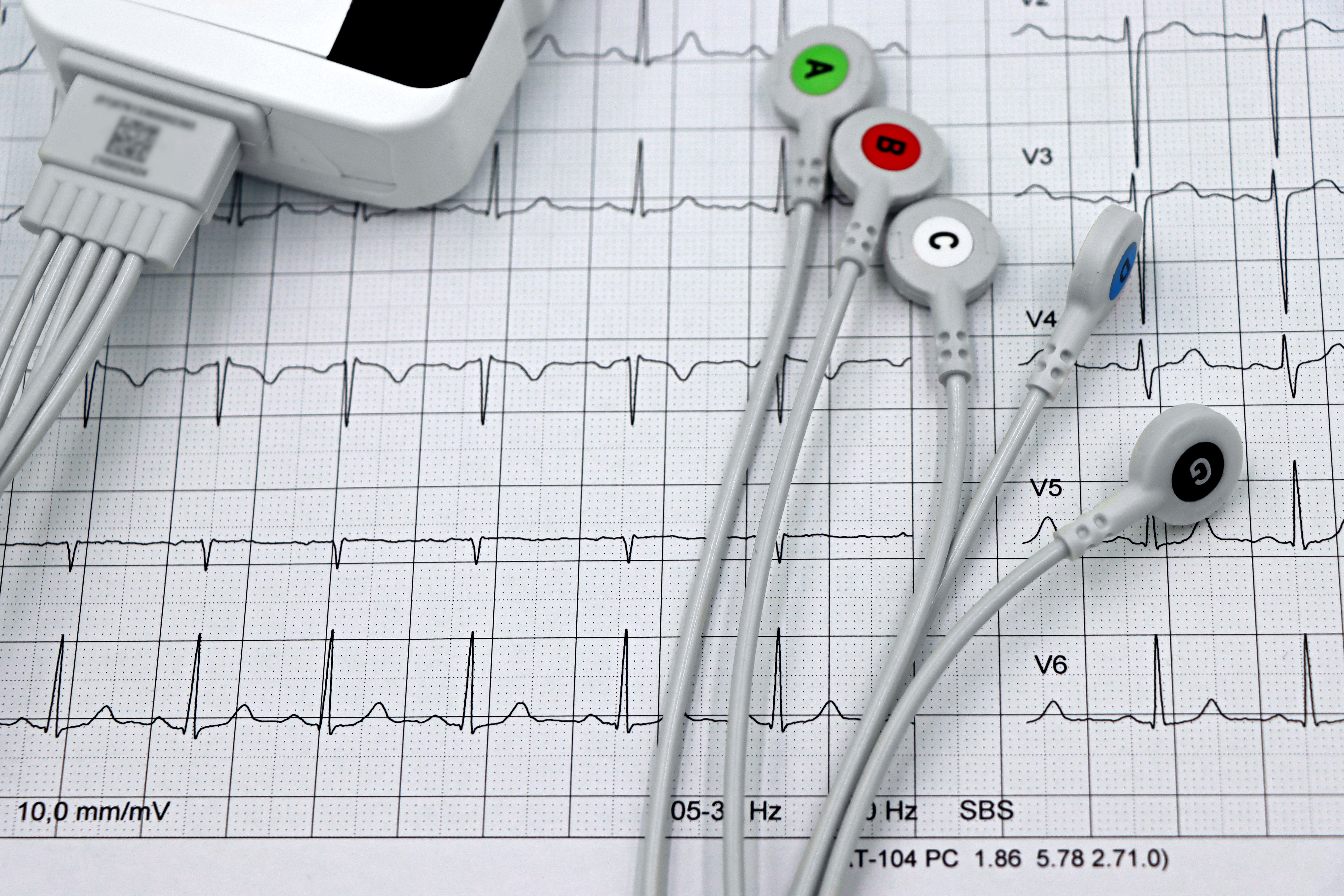
Researchers at the University of Chicago have created a stretchable, AI-powered skin patch that detects dangerous heart rhythm disorders with 99.6 percent accuracy, all without sending data to external servers.
A team from the University of Chicago Pritzker School of Molecular Engineering has built a patch resembling human skin that processes health data directly on the patient's body. The device doesn't transmit any signal to the cloud or a smartphone - the entire analysis happens in milliseconds on the patch itself.
The patch differs from popular smartwatches or fitness bands in that it doesn't just collect data, it also interprets it. Instead of sending raw readings to an app, an embedded neural network runs locally, right on the skin, evaluating in real time whether the heart's signal points to something concerning.
How the skin-based system works
The design hinges on electrochemical transistors built from an organic material that conducts signal through the movement of ions in a gel layer, rather than the classic flow of electrons in silicon. This construction lets the circuit bend and stretch along with the skin instead of cracking with every body movement.
Researchers packed up to 10,000 of these transistors into a single square centimeter of flexible substrate, a density previously reserved for rigid silicon circuits that are difficult to interface with soft, moving body surfaces.
In tests on heart rhythm data, the patch pinpointed the source of abnormal electrical impulses with 99.6 percent accuracy, even when the material was stretched more than one and a half times its original length. In a second experiment, the neural network built into the patch analyzed cholesterol levels, blood sugar, maximum heart rate and ECG results to estimate heart attack risk, reaching 83.5 percent accuracy.
Why local processing matters
Most wearable devices today, from smartwatches to Holter monitors, collect data and send it back to an app or server, where the analysis only then takes place. That creates latency and makes the device dependent on a stable wireless connection. The Chicago patch sidesteps this problem because the entire analysis happens on the spot, with no wait for transmission and no risk of losing connectivity.
That has real practical value for cardiac patients, for whom every second of reaction time to a dangerous arrhythmia counts, and for people in places with poor internet access, where high-end monitoring was previously all but unavailable.
The future we're working toward is making wearable and implantable devices smarter - Sihong Wang, University of Chicago Pritzker School of Molecular Engineering
What comes next
The team is now working on pairing the patch with stretchable wireless communication systems and more advanced sensors. The goal is a device that doesn't just collect and analyze health data but can also act on it, for instance warning the patient or doctor the moment a threat is detected, instead of waiting for the data to be reviewed after the fact.
For now, the work described in Nature Electronics covers tests on clinical data, not a finished medical product. The path from a prototype like this to a device cleared for patient use usually means years of further research and certification, but the underlying direction, moving AI computation from the cloud onto the patient's body, is becoming an increasingly clear trend in medical electronics.
For Polish readers, the project is a signal of where the market for remote patient monitoring devices is heading, an area Polish hospitals and medtech companies are increasingly investing in as they look for ways to ease the burden on cardiologists and speed up response to life-threatening conditions.