News
European Commission plans 'AI literacy' certificate pilot for 15-year-olds in 2027/28
The European Commission wants to pilot an AI literacy certificate for 15-year-olds in the 2027/2028 school year. It is part of a new education and skills package announced after weak PISA 2025 results.
Contents
The European Commission plans to test an "AI literacy" certificate for 15-year-old students. The pilot is due to start in the 2027/2028 school year and is part of an education and skills package that Brussels presented on 5 November 2026.
What Brussels announced
According to the Commission, the package includes a pilot of an AI Literacy certificate for 15-year-olds in the 2027/2028 school year. The move falls under a strand on AI skills, which aims to help pupils and teachers use AI safely and responsibly, and to assess those skills.
Euronews reports that the certificate would be delivered to successful students, and that the Commission wants to launch it for the 2027-2028 school year. The sources do not say how the skills will be assessed or which countries will take part in the pilot.
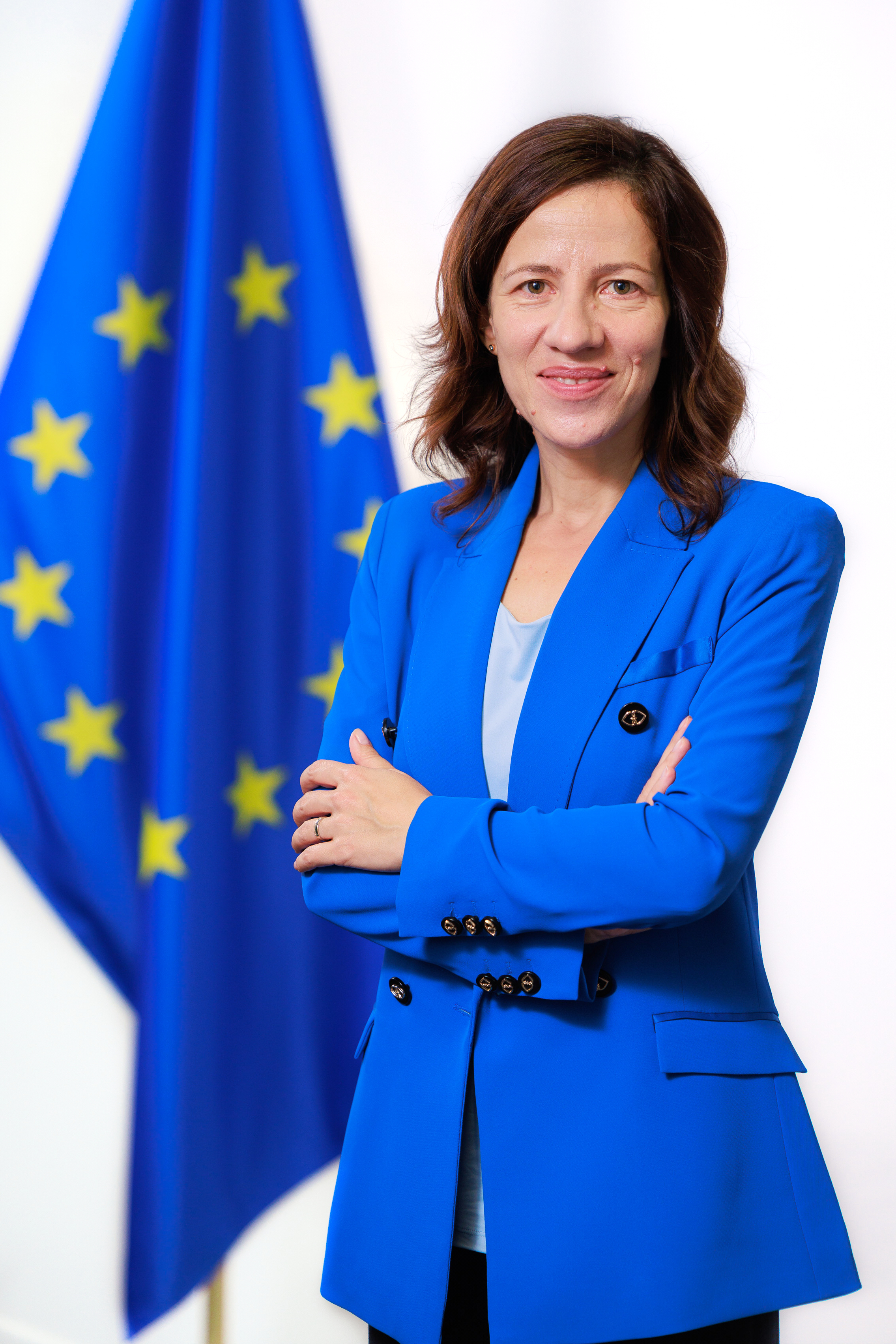
"It will help young pupils understand how AI works, check what it tells them, spot manipulation, and know when to switch off." - Roxana Mînzatu, vice president of the European Commission
Background: weak PISA results
The package arrives in the shadow of the PISA 2025 results. The Commission says one in three 15-year-olds in the EU struggles with reading and mathematics, and one in four with science. In addition, 40% of students attend schools where teacher shortages limit learning.
The Commission also cites Eurostat data for 2026: 64% of 16- to 24-year-olds use generative AI. According to Euronews, Brussels wants to use AI to help teachers and students learn better, and holds that better AI literacy among young people and teachers, including awareness of the risks, will strengthen their ability to learn.
Teachers and technology
The package also includes measures for teachers. A new generation of Erasmus+ Teacher Academies will launch from 2027 to prepare staff for new challenges, AI among them. They will also be supported by EU funds under the national and regional partnership plans.
The Commission also mentions the EDU-EDIC consortium, in which participating EU countries are to develop trusted AI and cloud-based education services, support EU-based edtech providers, and ensure interoperability and the protection of learners' data.
Limits and tensions
Euronews notes that the EU does not control the education policies of its member states, though it already backs research into the safe use of AI in teaching. For now the certificate is only a pilot, and the sources do not explain how this division of competences will affect the pilot's reach.
At the same time, the Commission is pushing legislation to curb young teenagers' access to social media. Mînzatu insisted the two initiatives are not contradictory, because AI can strengthen tutoring and personalised learning, which she said has nothing to do with the addictive algorithms of platforms.
What it means for Poland
The sources do not say whether or when Poland will join the pilot, so it is hard for now to judge how the certificate will affect Polish schools. The announcement does show the direction, though: the Commission wants to use the pilot to test whether 15-year-olds' AI skills can be assessed and confirmed with a certificate.