News
European Commission Confirms AI-Driven Cyberattack; Politico Points to ARTEX Tool and 10+ Days of Disruption
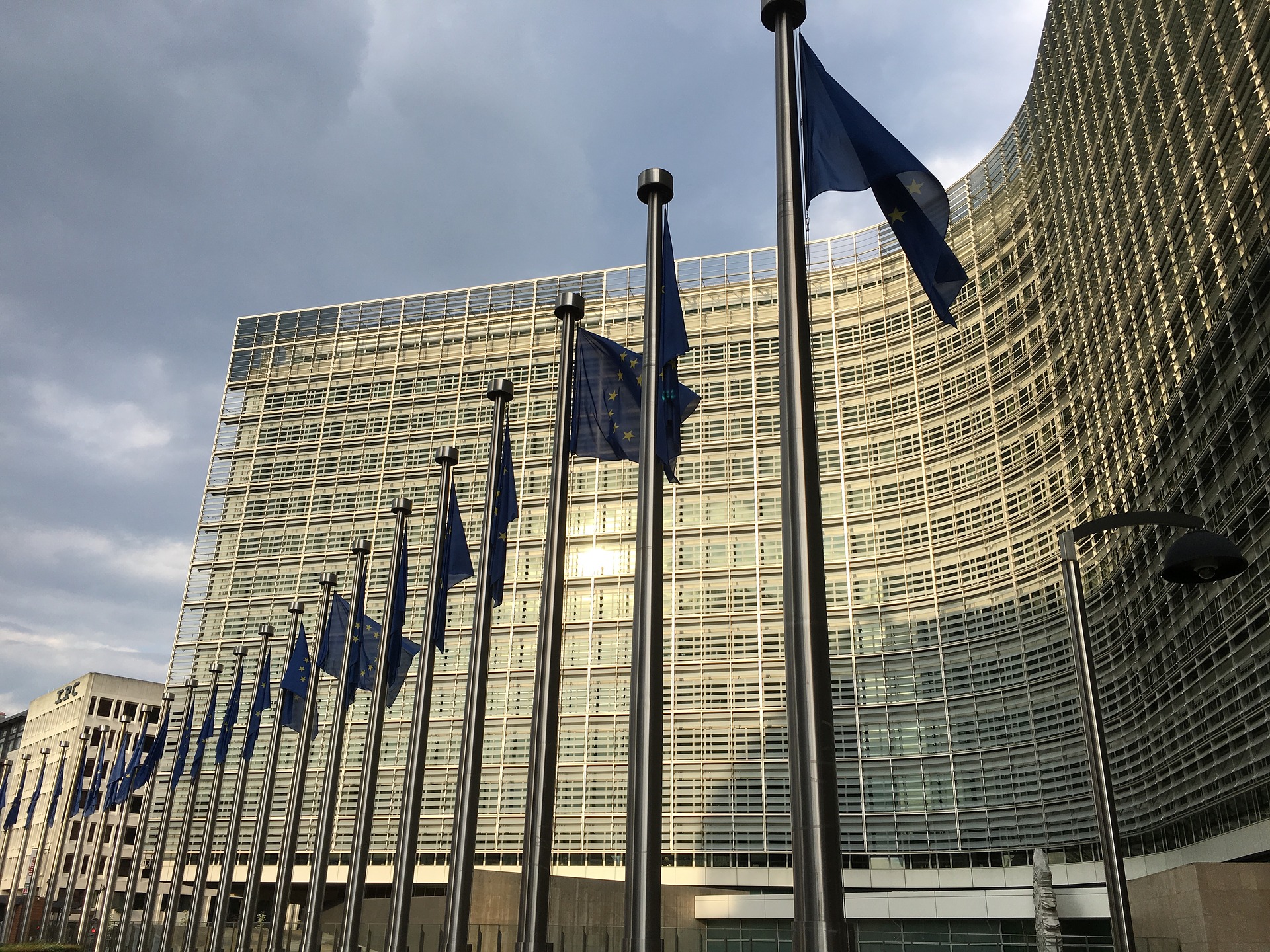
The European Commission has confirmed it was targeted by a campaign using AI tools, detected on 22 October. According to Politico, the attack caused more than 10 days of disruption, and Politico's sources say defenders spotted the ARTEX framework.
Contents
The European Commission has confirmed that its IT systems were targeted in a cyberattack involving artificial intelligence tools. The incident was detected on 22 October and, according to Politico reports cited by The Register and RTÉ, caused more than 10 days of disruption, including the temporary shutdown of systems for payroll, timekeeping and medical reimbursements.
What the Commission confirmed
Commission spokesperson Thomas Regnier said it was an AI-generated campaign. The Commission declined to say who is behind it, and the spokesperson was not aware of any ransom demand. The scale is hard to judge because the investigation is ongoing, and the Commission has so far found no evidence of a data breach affecting staff as a whole.
Several applications were temporarily taken down as a precaution, and most have been restored. According to The Register, Sysper (payslips, timesheets, vacation requests) and MyPMO (medical reimbursements) came back online early this week, but Sysper went down again on Wednesday. The Commission's translation services were also affected.
This was an AI-generated cybercampaign. - Thomas Regnier, European Commission spokesperson
The role of ARTEX
According to Politico's sources, cited by The Register, the Commission's defenders detected attackers using ARTEX, a publicly available AI-based penetration testing framework. The available reports do not make clear whether the tool helped break into systems or was used only to hunt for vulnerabilities.
CERT-EU warned on 5 November that it had seen attacks it believed were ARTEX-assisted against organizations under its watch. The tool's developer pulled the repository from GitHub in October after reports of hackers using it, but copies were already in circulation. A week before the Commission incident came to light, the FBI said researchers had found more than 1,600 ARTEX consoles reachable from the internet, and that in some attacks the move from identifying a target to gaining privileged access took under three hours.
Staff data in question
Politico reports that some staff could not book leave or submit timesheets, but salaries were paid as normal. It has not been established whether the attackers saw payslips. The Commission did not tell The Register whether staff data was obtained or whether the systems were shut down purely as a precaution.
Individual systems were targeted and, in line with our standard practice, we have informed those concerned. - Thomas Regnier, European Commission spokesperson
Henna Virkkunen, the commissioner for tech sovereignty and security, briefed fellow commissioners on the matter on Wednesday. Earlier in November, the Commission's internal crisis management body met in an urgent session.
What it means for companies
Snehal Antani, CEO of Horizon3.ai, told The Register that what once took a skilled operator days or weeks of chaining steps together now happens in hours. Antani also argues that such frameworks complicate attribution, because state-backed groups and ordinary criminals draw on the same toolbox. This is the view of one security vendor, not a finding of the investigation.
For Polish companies and institutions the takeaway is practical: tools for automated vulnerability hunting are widely available, so patching exposed services and monitoring admin panels cannot wait for weeks. The Commission's investigation is ongoing, and the key questions, who attacked and what data they saw, remain unanswered.