News
European Parliament Pushes Back AI Act Deadlines to 2027
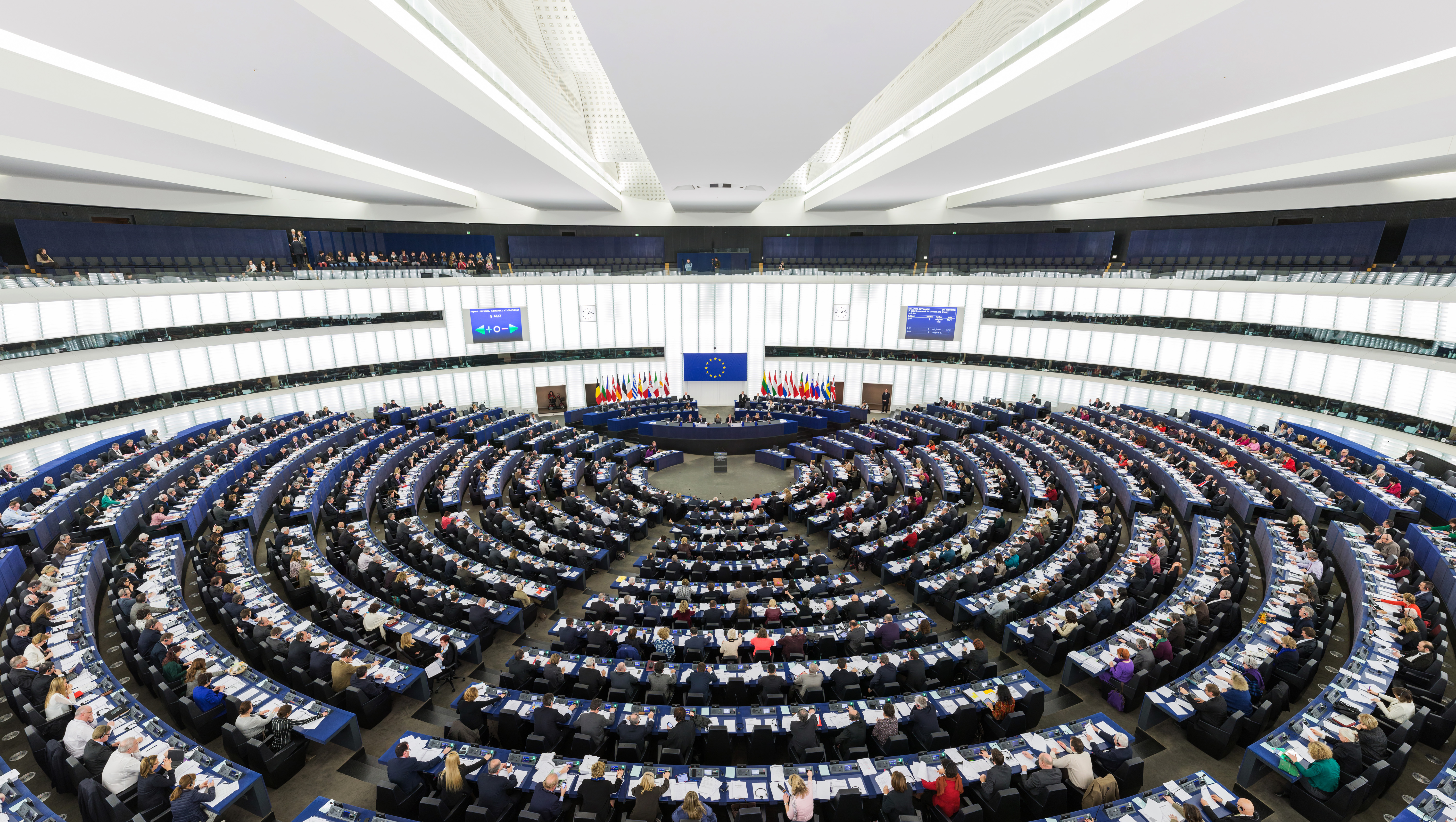
The European Parliament has formally adopted the Digital Omnibus package, delaying obligations for high-risk AI systems to December 2027 and August 2028. The law was signed on July 8, 2026, just weeks before the original August 2, 2026 deadline.
Contents
Companies in the European Union that feared August 2, 2026 as the hard deadline for the bloc's AI law to fully take effect have been given extra time. The European Parliament formally adopted the Digital Omnibus package on AI, which pushes back some of the key obligations under the AI Act by a year and a half, and in some cases by as much as two years.
What exactly is changing
The Digital Omnibus on AI is the seventh digital simplification package proposed by the European Commission on November 19, 2025. Formally, it's a set of targeted amendments to Regulation 2024/1689, the AI Act itself, which entered into force on August 1, 2024. The most significant change concerns high-risk systems listed in Annex III, including tools for recruitment, credit scoring, benefits eligibility assessment, and systems used in education and the justice system.
For these systems, the original full-compliance deadline of August 2, 2026 has been pushed back to December 2, 2027. For AI systems embedded as safety components in products regulated under separate EU law, for example in machinery, toys, or medical equipment, the new deadline is August 2, 2028. The European Commission attributes the change to the need to finish work on technical standards and support tools, without which companies had no practical way of meeting the requirements on time.
Deepfake ban stays in place
Not everything has been postponed. The package also introduces a new, hard ban on AI systems that generate unwanted, intimate images without the consent of the people depicted, so-called nudify tools, as well as content depicting child sexual abuse. Companies must comply with this ban by December 2, 2026, the same deadline as the AI content labeling requirement.
The exemptions previously available to small and medium-sized enterprises have also been expanded. They will now also cover so-called small mid-cap companies, firms somewhat larger than classic SMEs but still far from being major corporations. The goal is to ease the burden on smaller players that lack legal departments capable of independently interpreting the sprawling regulation.
Commission response and criticism
The Digital Omnibus provides a simple, innovation-friendly environment for the development of Europe's AI ecosystem, while strengthening the protection of citizens - Ursula von der Leyen, President of the European Commission
The Commission is presenting the whole operation as a simplification rather than a weakening of the rules. Supporters of the package argue that the original AI Act timeline was unrealistic, since European standardization bodies had not managed to finish the detailed technical standards that compliance assessment systems were supposed to rely on. Without those standards, companies would have had to guess how to meet the law's requirements, risking interpretive chaos and a wave of lawsuits.
Critics, including some left-wing MEPs and digital rights organizations, warned during the negotiations that delaying the deadlines effectively means an extra year and a half in which systems that assess people in recruitment, education, or access to financial services will operate without the full oversight envisioned by the AI Act. The final vote, 423 in favor to 57 against, shows that support for extending the vacatio legis prevailed in the European Parliament.
What it means for Polish companies
For Polish businesses, the change has practical consequences, especially given earlier reports about companies and public agencies that were unprepared for the AI Act taking effect. The August 2, 2026 deadline remains binding for some obligations, including those for the most advanced general-purpose models and part of the transparency requirements. But for companies implementing specific high-risk systems, for example in recruitment or customer assessment, the time pressure has eased significantly.
That doesn't mean it's worth putting off preparations. Lawyers working on AI Act compliance point out that companies should use the extra time to get their inventory of AI systems in order, rather than waiting until the last moment before the new 2027 and 2028 deadlines. Experience with the original timeline showed that many companies and public institutions in Poland didn't even know until the last minute which of their tools fell under the regulation's requirements.
What happens next
The formal act now awaits publication in the Official Journal of the European Union, expected in July 2026, still ahead of the original August 2 deadline. The rules will take effect on the third day after publication. Before then, the AI Office at the European Commission, which gains expanded oversight powers under the package, is expected to prepare guidance to help companies determine which of their systems are still subject to the August deadline and which have been granted an extension to 2027 or 2028.