News
South Korea Charges First Person With Cheating on Exam Using AI Glasses
Prosecutors in Gwangju have charged a man who used his own AI app connected to smart glasses to cheat on a professional exam. It's South Korea's first criminal case of its kind, with several similar cases already emerging.
Contents
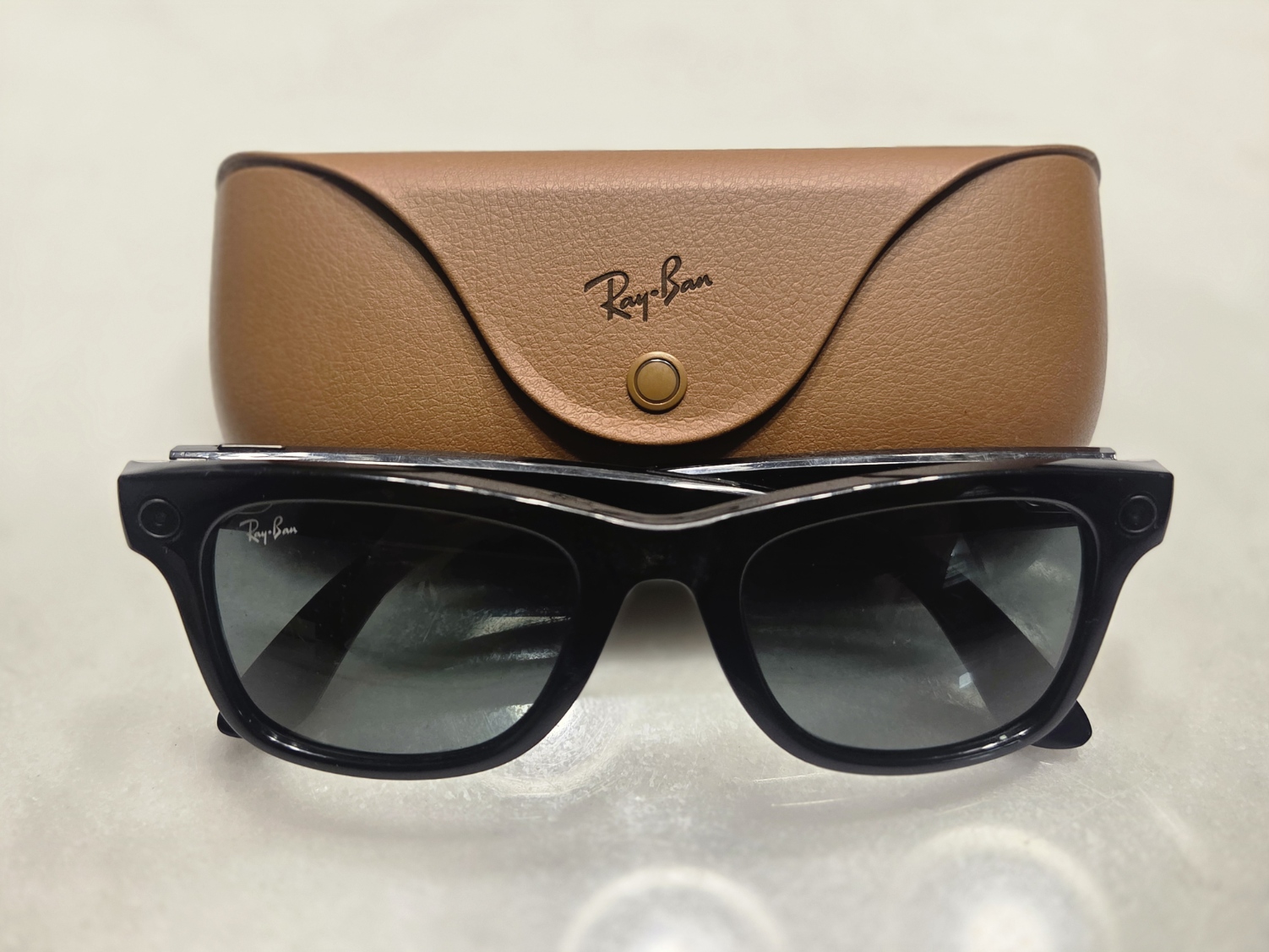
The district prosecutor's office in Gwangju has charged a man in his forties who used smart glasses connected to his own AI app during a professional certification exam. It's South Korea's first criminal case involving cheating with this kind of device, and authorities admit they don't yet have procedures in place to systematically detect this type of fraud.
How the cheating was discovered
The exam proctor noticed an unusual reflection of light on the test-taker's glasses, along with the fact that the man kept staring at a single point even when he didn't appear to be working on a problem. That was enough to raise suspicion and prompt the proctor to take a closer look at the device.
After being confronted, the suspect admitted to attempting to cheat and explained a motive to investigators that differs from typical desperation-driven cheating. He was testing his own technical solution, wanting to see whether the app would actually display correct answers on the lenses under real exam conditions.
I developed an AI app that works with smart glasses, and I wanted to check whether it would generate the correct answers during a real exam - the suspect, quoted by The Korea Herald
Scale of the problem in Korea
The Gwangju case isn't isolated. In May 2026, two men in their twenties were caught at technical qualification exams in Seoul and Mokpo using exactly the same cheating method: glasses with a built-in camera and AI module that recognize the question and display the answer on an internal lens screen.
Korean local media has also reported cases where test-takers brought two phones: one handed over to proctors as required, and a second, wirelessly connected to the glasses, kept hidden. In one such case, the exam board voided the test and referred the matter to police after a proctor noticed the test-taker nervously adjusting his glasses frames.
How testing institutions are responding
Officials responsible for organizing South Korea's major professional exams held an emergency meeting on July 10, 2026 dedicated entirely to this problem. Two courses of action are under consideration: formally adding smart glasses to the list of banned exam-room equipment, and toughening penalties so that simply possessing such a device, regardless of whether it was used, qualifies as an attempted cheating offense.
A practical problem remains distinguishing ordinary corrective glasses from devices with a hidden camera and connectivity. From the outside, the frames look almost identical, and the only clues are sometimes subtle reflections on the lenses or unusual behavior from the test-taker.
Why this matters in Poland too
Similar devices have been circulating around Poland's matura (the high school leaving exam) market for months. Prices for AI glasses connected to a language model start at just a few hundred zloty, with pricier variants going up to 2,500 zloty. The Centralna Komisja Egzaminacyjna (Poland's Central Examination Board) and the Ministerstwo Edukacji Narodowej (Ministry of National Education) are monitoring the situation and considering a ban on bringing any glasses other than corrective ones into the exam room, but Poland hasn't yet seen a criminal case comparable to the one in Gwangju.
The legal distinction between the matura and Korea's professional exam is significant, though. In Poland, being caught cheating results in exam annulment and a ban on retaking it, meaning a two-year wait, but it isn't a criminal matter. In South Korea, violating the National Technical Qualifications Act allows prosecutors to bring actual charges, even though in this first case it ended with a request for a summary fine rather than a trial.
What comes next
The Gwangju case sets a precedent that Korean testing institutions want to use to quickly tighten procedures ahead of the next wave of certification and language exams. For test administrators worldwide, from TOEIC to local high school exams, the growing availability of cheap AI-equipped glasses means that checking equipment in the exam room will need to become a standard part of procedure rather than an exception that depends on one proctor's vigilance.