News
UK chip startup Fractile raises over £500 million at a valuation above £5 billion, before shipping a chip
British AI inference chip startup Fractile has closed a Series C round worth more than £500 million. The UK government puts its valuation above £5 billion, and the first chips are due to reach customers in 2027.
Contents
Fractile, a London- and Bristol-based company designing chips for running AI models, has closed a Series C round worth more than £500 million. According to a UK government statement dated 11 November 2026, the company's valuation exceeds £5 billion, even though it does not yet have a production chip.
The government statement of 11 November describes an investment in Fractile by the Sovereign AI Venture Fund and the state-owned British Business Bank. Fractile is a startup building faster, cheaper and more energy-efficient hardware for AI. Other participants in the round include CapitalG, Lightspeed and Redpoint. TechCrunch names Thrive Capital, Founders Fund, Lightspeed Venture Partners and Redpoint as the round's leaders.
The numbers and the valuation question
The government speaks of a round of "more than £500 million" and a valuation of "over £5 billion". TechCrunch puts the round at $720 million and, citing the Financial Times and a Reuters source, says the valuation may be around $7 billion. The government gives figures in pounds only.
The government notes that, like most venture funds, it does not comment on the details of its investments because they are commercially sensitive. According to GOV.UK, typical Sovereign AI fund investments are around £1-10 million, but the amount in this case was not disclosed.
What Fractile is building
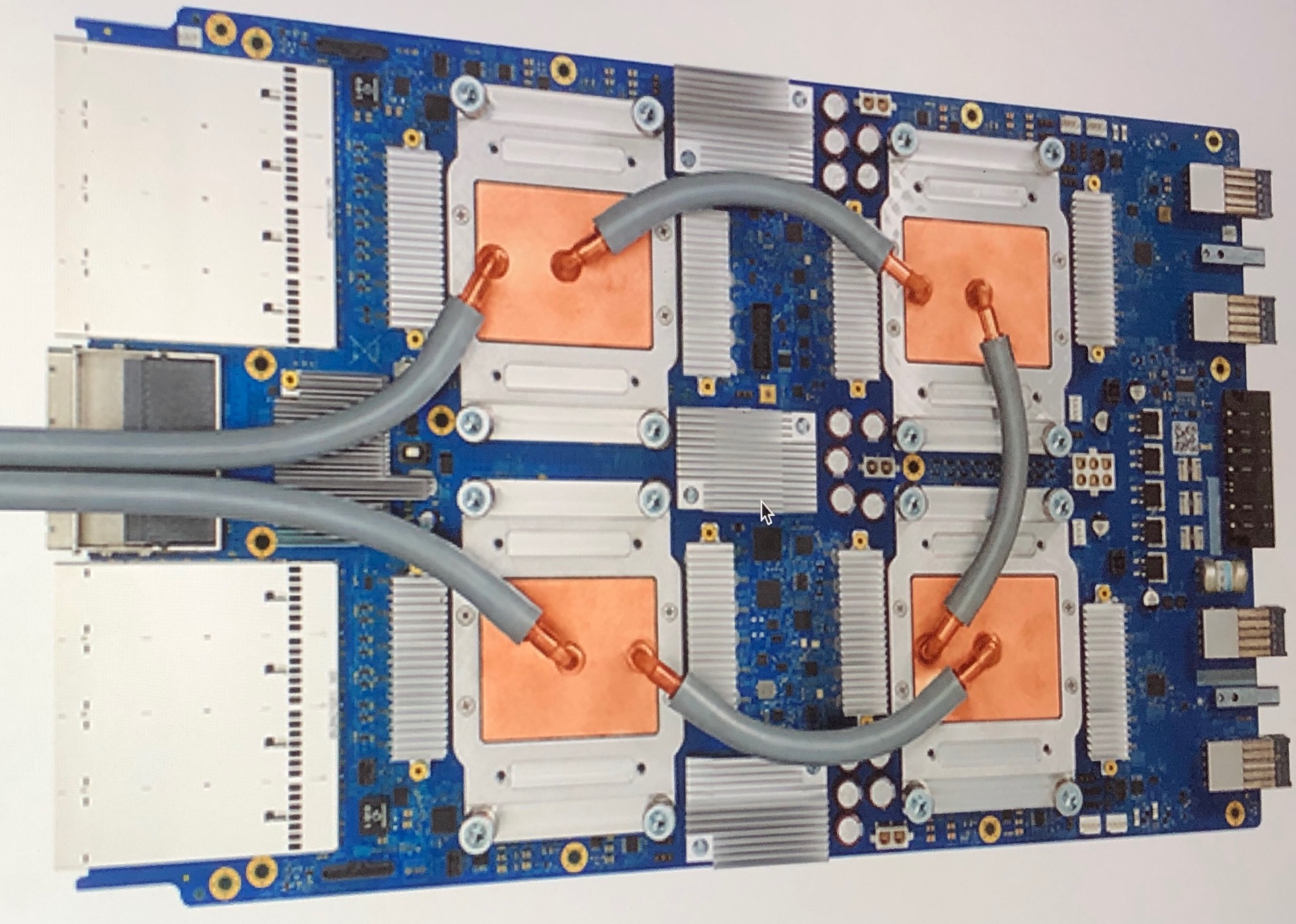
The company works on inference chips, meaning the stage at which a model generates answers. According to TechCrunch, after a pivot its design is built around DRAM stacked on top of each chip, which the company hopes will bypass the usual trade-off between memory and capacity. Fractile pairs the hardware with a machine learning compiler meant to maximize the speed of large language models running on its chips.
This matters more with AI agents, where companies run longer chains of tasks on large models and don't want to lose speed. For now these are the manufacturer's assumptions: the chip is not yet commercially available, so no independent tests confirm its performance claims.
The state as investor
According to the government, the investment is meant to strengthen UK capabilities in critical technologies, reduce reliance on overseas supply chains and keep jobs and economic value in the country. Fractile plans to expand its presence in Bristol.
Fractile is a fantastic British success story. - Jonathan Reynolds, UK Business Secretary
The statement also notes that a fortnight earlier the Budget confirmed a further £140 million for Sovereign AI, including £60 million to support the fund's investments and £80 million for its R&D Procurement Scheme.
What comes next
CEO Walter Goodwin wrote on LinkedIn that "there is still a lot of work ahead" and that the funding will let the company ship its first chips and systems next year. TechCrunch counts Fractile among the best-funded startups building purpose-built AI chips, alongside Axelera, Etched and OLIX. For Polish companies and teams that use models through the cloud, it is for now a signal of growing competition in inference chips, with no concrete offers available today.