News
Gal Gadot Spent Six Months Negotiating AI Protections Into Her 'Bitcoin' Movie Contract
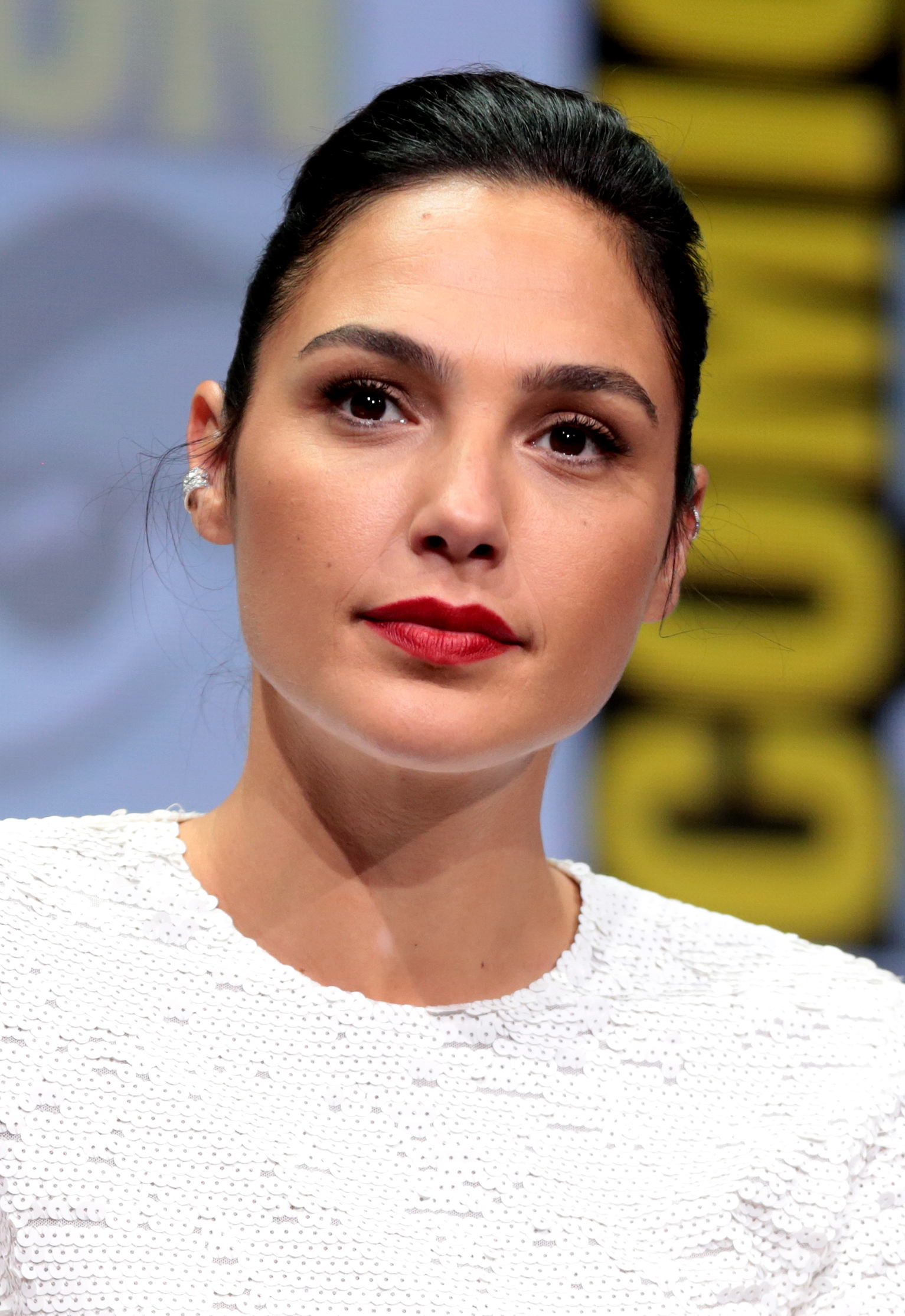
Gal Gadot's lawyers spent six months negotiating clauses to shield her performance from AI interference in Doug Liman's "Bitcoin," a film where AI generated sets and lighting instead of traditional production design.
Contents
Actress Gal Gadot has revealed that her contract for Doug Liman's film 'Bitcoin' was the longest-negotiated deal of her career. The reason had nothing to do with her fee or shooting schedule, but with how far artificial intelligence could be allowed to interfere with her work on set.
The film tells the story of bitcoin's creation, with Casey Affleck playing computer scientist Craig Wright, whom some in the field consider a possible creator of the cryptocurrency. Gadot plays a character named Charlotte 'Lotte' Miller. The screenplay was written by Nick Schenk, known for 'Gran Torino,' with Ryan Kavanaugh and Lawrence Grey producing.
Empty sets instead of production design
The most controversial element of the production is how the sets were created. The actors performed their scenes in a completely empty, undecorated space on a dedicated soundstage, with the sets and lighting digitally generated afterward in post-production using AI tools developed by Acme AI & FX, a company founded by Ryan and Matt Kavanaugh, Garrett Grant and Lawrence Grey.
According to producer Ryan Kavanaugh, this process cut the originally planned $300 million budget down to $70 million, saving more than $200 million. It is one of the first major Hollywood productions in which generative AI replaces the entire production design layer, rather than just special effects or visual touch-ups.
Six months of negotiations
For Gadot, though, the key issue was making sure AI did not touch her directly. The actress described the contract process as the longest of her career, with negotiations covering every conceivable scenario for how artificial intelligence could be used on her likeness and performance.
It was the longest contract I've ever signed - it took my lawyers six months to go through every scenario we could imagine regarding the AI component - Gal Gadot
I didn't want AI to have anything to do with my acting - Gal Gadot
The actress stressed that despite her concerns, she decided to take part in the project because she views AI's presence in the film industry as inevitable. 'You're going to work with it or be out of the game completely,' she said, adding that the train has already left the station when it comes to using artificial intelligence in film production.
Union eyes a precedent
The scope of the protections negotiated by Gadot's legal team caught the attention of SAG-AFTRA, the American actors' union. According to accounts cited by Variety, the union reached out to the actress's lawyers for guidance useful in updating standard industry contracts that protect other actors from similar uses of AI.
That suggests the 'Bitcoin' case could become a reference point for drafting new, more precise AI clauses in acting contracts across Hollywood, going beyond the general provisions introduced after the 2023 SAG-AFTRA strike.
What this means for the industry
The 'Bitcoin' case illustrates the film industry's two-track approach to generative AI. On one hand, producers are eager to use it to cut costs on the most expensive parts of production, such as sets and lighting on large shoots. On the other, top stars treat protecting their own likeness and performance as a hard line that cannot be crossed without detailed legal provisions.
For Poland's production and legal market, this is a signal that contracts involving AI in audiovisual production will need increasingly detailed clauses, covering not just image rights but also the permissible scope of AI interference with the acting performance itself. The Gadot case could serve as a model for building similar safeguards into domestic production contracts.