News
Germany Wants Generative AI Providers to Pay for Output, and Poland Backs Call for EU Copyright Rules
According to dpa and heise, the German government is proposing a European model in which generative AI providers also pay for generating content that competes with human work. Poland is among the countries that on 20 November backed an appeal to the European Commission for swift legislation.
The German government wants generative AI providers to pay also for generating text, music and video that compete with human work. Heise described the proposal, citing the government's position in the EU consultation, which was seen by the dpa news agency. Poland is among the countries that backed the German initiative in the EU Council.
What Germany Proposes
According to heise, the proposal comes from the German government's response to the EU consultation. Generative AI providers would pay when their systems produce text, music or video that competes with works created by humans. The aim is for rights holders to receive, as the document puts it, "a fair share of the value created".
The money would be distributed by collective rights management organisations. Only rights holders who agree to the free use of their works for AI training would benefit. Those who object to such use could still negotiate individual licences.
The government also wants providers offering models on the EU market to be required to demonstrate compliance with EU copyright law, regardless of where the model was trained. Opting out of training, and checking that the opt-out was respected, is meant to become easier.
Appeal to the Commission
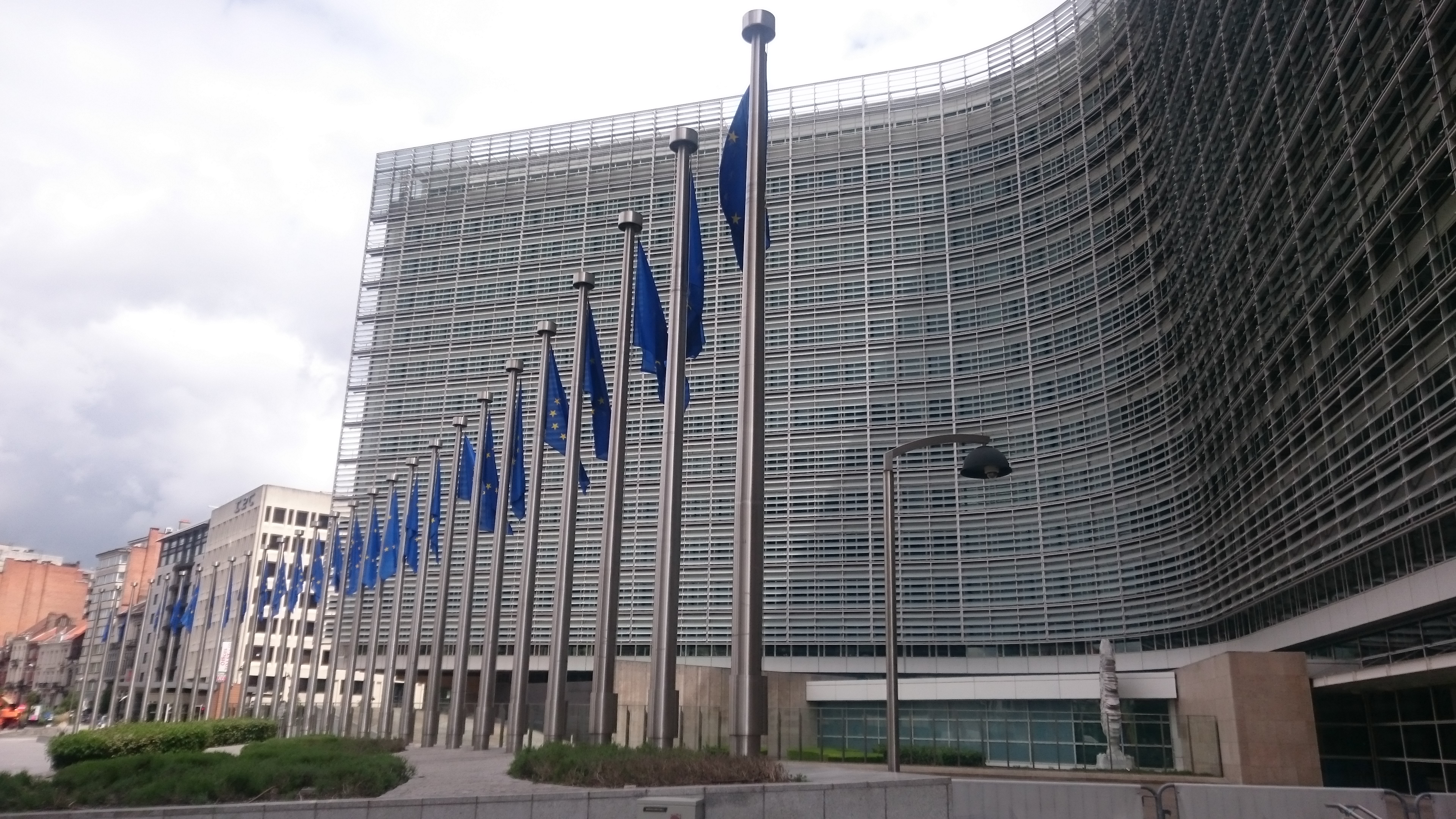
According to heise, on 20 November Germany and 14 other countries urged the Commission to present a draft, and the initiative was launched by Minister of State for Culture Wolfram Weimer. The Polska Izba Wydawców (Polish Chamber of Publishers) describes a joint note ahead of the culture ministers' meeting on 19-20 November and lists 11 countries: Germany, Spain, Poland, Austria, Cyprus, Croatia, Denmark, Estonia, Portugal, Slovakia and Slovenia. The numbers in the two sources differ, so it is not possible to say definitively how many countries joined.
According to the chamber, the document is titled "Protecting copyright in the age of artificial intelligence in Europe: time to act". The signatories want easier enforcement of opt-outs from AI training, greater transparency of training data and fair remuneration for all creators. They also call on the Commission to enforce obligations that already apply to providers of general-purpose models.
Media Protection and Costs
The German government fears that AI systems summarise current news, costing publishers traffic, advertising revenue and subscriptions. It wants to examine gaps in EU copyright law and how effectively press publishers' rights can be enforced.
The government itself warns that the new rules could make foundation models more expensive or limit their availability. The Polska Izba Wydawców adds that it raised similar demands in January 2024, when Poland was implementing the copyright directive on the digital single market, and says it is a pity that other countries are only backing them now.
What Happens Next
For now these are government positions, not law. The specific content of the Commission's package for the second quarter of 2027 remains open. For Polish creators and publishers the direction is clear, but the shape and size of any payments, and their effect on the price of AI tools, will be decided only by Brussels' proposals.