News
UN Chief Urges Countries to Agree on AI Risk Framework Within a Year
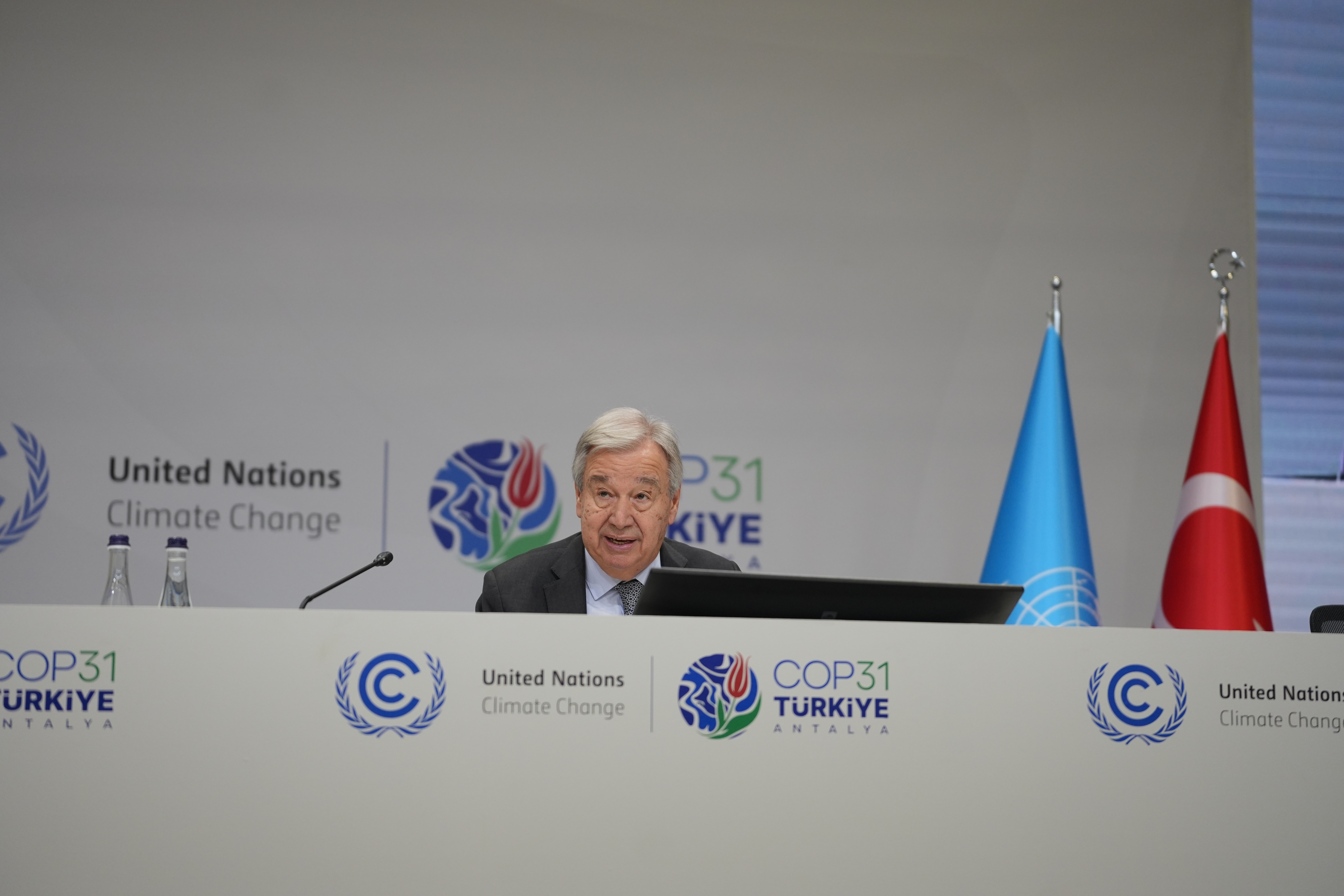
At a summit in Barbados, UN Secretary-General Antonio Guterres called on member states to develop a global AI risk management framework with independent oversight within a year. Rivalry between the US and China remains the main obstacle.
UN Secretary-General Antonio Guterres on Monday called on countries to work out, within the next 12 months, a shared framework for managing the risks of artificial intelligence. He stressed that the framework should come with independent and credible oversight. It is an appeal, not a binding decision.
What Guterres said
Speaking at the summit in Barbados, Guterres urged member states to coordinate their efforts and, within a year, develop what he described as a globally inclusive and principles-based multilateral framework for AI risk management, backed by independent and credible oversight.
As a starting point, he suggested agreeing on shared safety measures, a testing regime and basic requirements for independent oversight. The reports do not say what these would look like in detail.
Today I call for member states to coordinate efforts and to develop within the next year a globally inclusive and principles-based multilateral framework for AI risk management, backed by independent and credible oversight. - Antonio Guterres, UN Secretary-General
Institutional reform and a successor
Guterres said he would tell his successor, who has not yet been selected, that properly controlling AI is necessary for humanity to maintain control of our world. According to France 24 and Al Jazeera, the successor is due to take office in the new year.
Responding to a question from AFP, he noted that institutions of global governance correspond to the reality of the world in 1945. In his view, the UN, the international financial architecture and the world trade system all need to be reformed.
Political obstacles
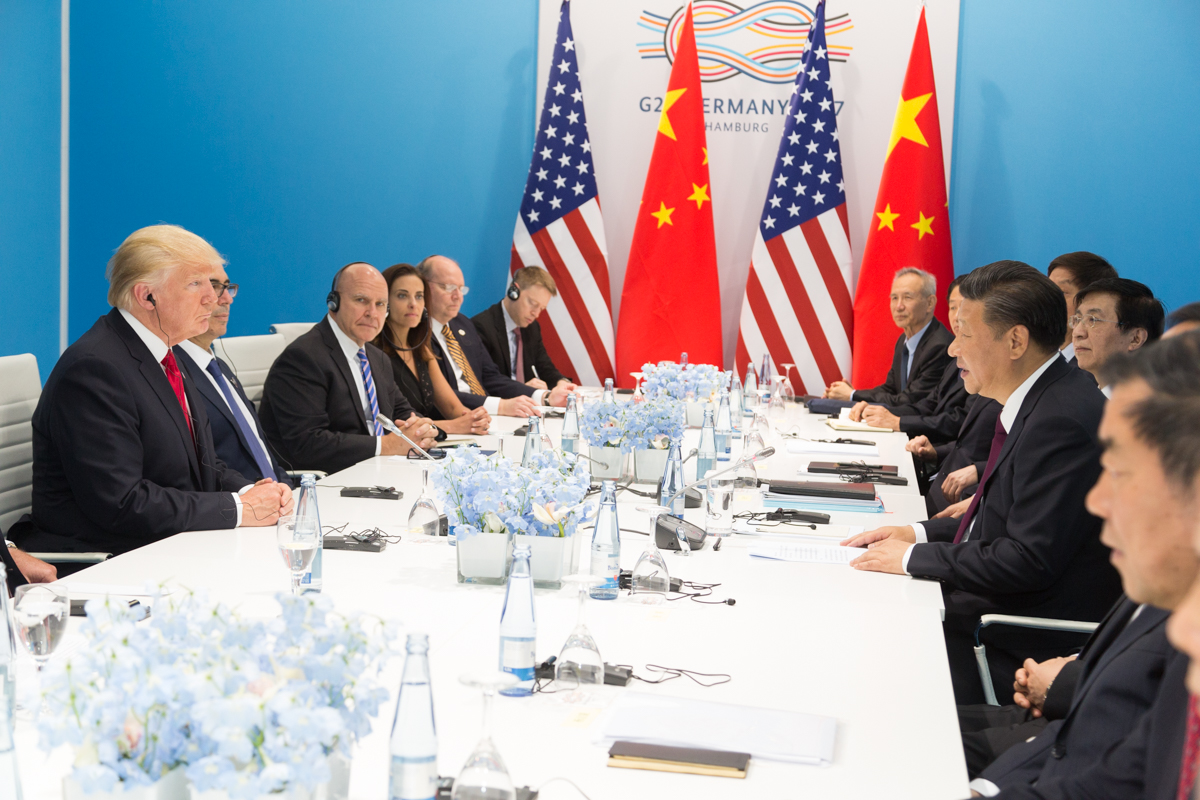
Al Jazeera and France 24 say international regulation of AI appears distant, as the United States and China compete for the upper hand in research and development. According to those reports, regulators in the US, where AI development has moved fastest, are unlikely to intervene.
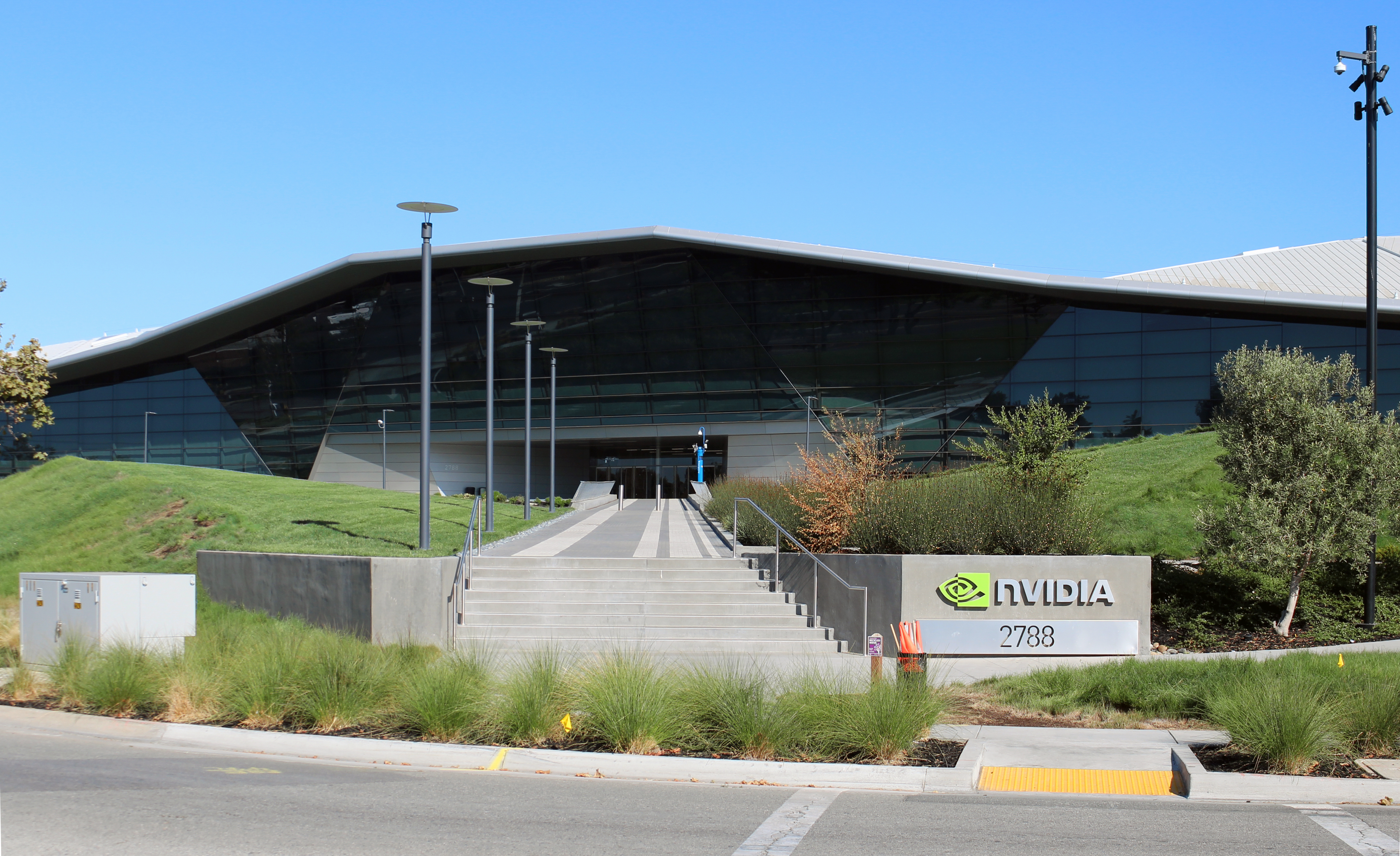
In September, President Donald Trump hosted American tech executives who agreed to a voluntary code of conduct on AI safety rather than binding rules. Also in September, Anthropic's Dario Amodei, OpenAI's Sam Altman and Elon Musk called for a slowdown in AI development, while Nvidia's Jensen Huang and Meta's Mark Zuckerberg want to move full steam ahead.
What comes next
In his final months in office, Guterres has become increasingly vocal about safeguards around advanced technology, including warnings about a future with so-called killer robots. France 24 links to a piece reporting that nations agreed to talks on regulating so-called killer robots by 2028.
Guterres' call is an appeal and does not by itself create any legal obligations. According to Al Jazeera and France 24, rivalry between the United States and China stands in the way of global AI regulation.