News
Google DeepMind Releases AlphaGenome Atlas With Predictions for 9 Billion DNA Variants
Google DeepMind has launched a free AlphaGenome Atlas database containing precomputed predictions for the effects of all 9 billion possible single mutations in the human genome, accessible through a browser without any coding.
Contents
Google DeepMind published AlphaGenome Atlas on September 8, 2026, a database containing precomputed predictions of the effects of each of the 9 billion theoretically possible single mutations in the human genome. Instead of running costly computations in their own lab, researchers can now simply look up the DNA fragment they're interested in through a browser.
What Was Released
AlphaGenome Atlas is not raw sequencing data, but a collection of precomputed predictions. The AlphaGenome model, which DeepMind first showed in June 2025, analyzes DNA fragments up to one million base pairs long and predicts how a given mutation will affect gene activity at that location. Atlas ran this model for every possible variant in advance, so researchers no longer need to wait for their own computations, they can simply look up the position of interest in the genome.
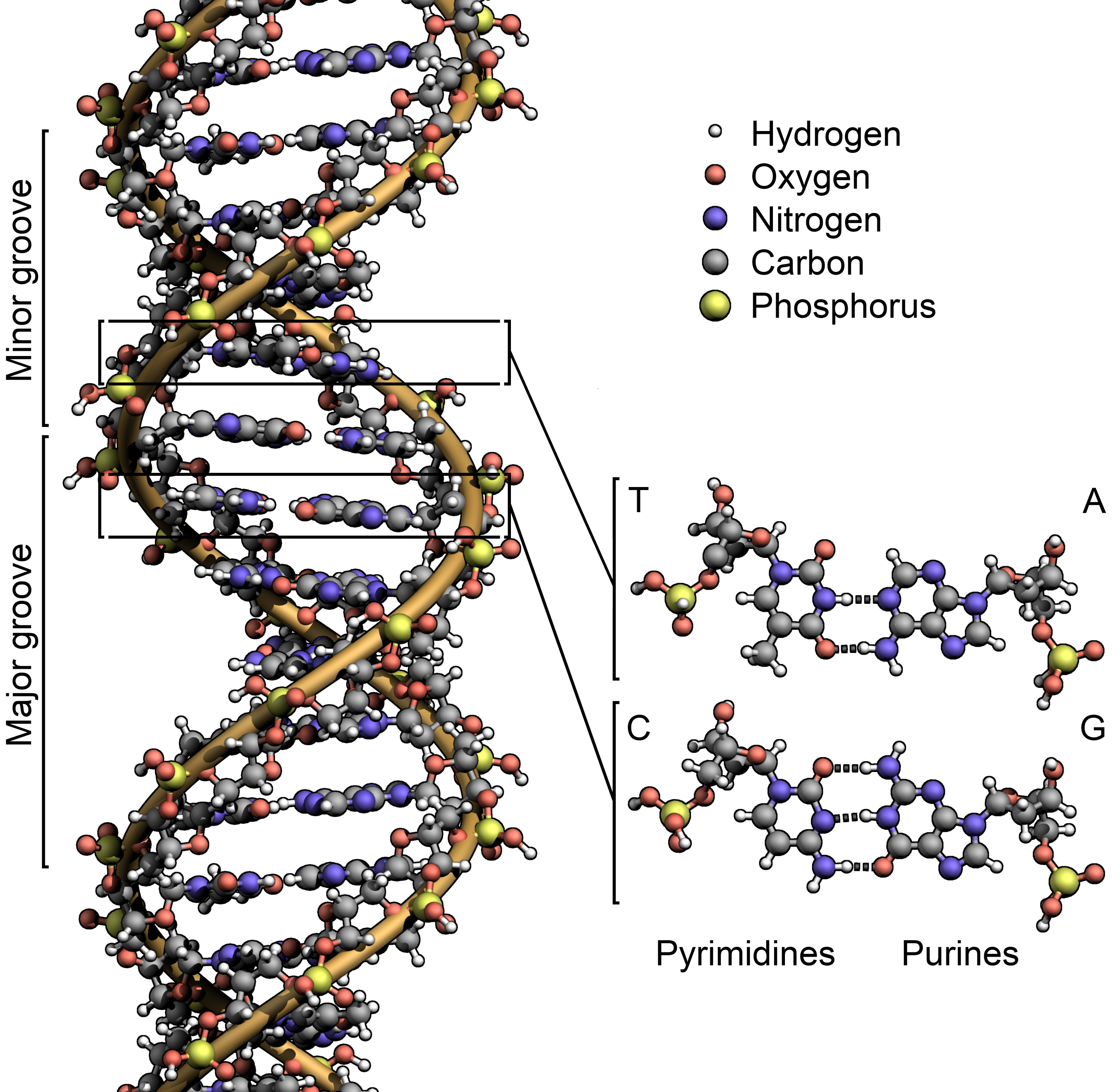
The human genome contains about 3 billion base pairs, and each position can be changed to one of the three remaining nucleotides, which gives exactly 9 billion combinations. Only about 2 percent of the genome directly codes for proteins, the rest consists of regulatory regions, whose impact on disease has so far been much harder to estimate than mutations in protein-coding genes.
A Successor to AlphaFold for DNA
Pushmeet Kohli, Google DeepMind's VP of Science, compares the project's ambitions to AlphaFold, the tool that in 2021 released predicted three-dimensional protein structures and dramatically accelerated biological research worldwide. AlphaGenome Atlas is meant to play a similar role for gene regulation, though, as IEEE Spectrum notes, the database is about 30 times larger than the AlphaFold database, yet considerably less accurate, since predicting the effects of DNA regulation is a harder task than predicting protein structure.
This is the first time any researcher in the world can access a comprehensive map of the human genome and its variants just by opening a browser - Pushmeet Kohli, VP of Science, Google DeepMind
The new AVI score combines AlphaGenome's predictions for non-coding regions with the earlier AlphaMissense model from 2023, which evaluates mutations in protein-coding genes. This gives researchers a single, unified assessment of a variant's potential harmfulness regardless of which part of the genome it's located in.
First Clinical Applications
Scientific American describes the case of Laura Covill from the Broad Institute, who used the AVI score to identify a causal splicing variant in the DNM1 gene, solving a previously unresolved case of a rare genetic disease. Geneticist Jonathan Sebat of UC San Diego, who works on psychiatric diseases, says the tool is changing everyday lab work.
Our own processes in the lab can be significantly streamlined, because we essentially don't need to compute anything anymore. We can literally just look everything up - Jonathan Sebat, geneticist, UC San Diego
Among the conditions where researchers see potential for using the Atlas are rare monogenic diseases, spinal muscular atrophy, cystic fibrosis linked to splicing disorders, Tay-Sachs disease, sickle cell anemia, as well as certain cancers and psychiatric conditions. Physician Gareth Hawkes used the Atlas to analyze more than 54,000 participants in the UK Biobank, finding 22 percent more non-coding associations than before, as well as 19 genomic regions linked to body mass index.
Limitations and Access
Genomicist Carl de Boer of the University of British Columbia, quoted by IEEE Spectrum, calls AlphaGenome the leading model in the field, but notes that the model itself is very slow and requires significant computing power, which makes the ready-made Atlas database a practical solution for most labs that lack DeepMind's infrastructure. Ziga Avsec, head of the genomics team at DeepMind, admits that building the Atlas itself required a major engineering effort.
Access to the Atlas is free for non-commercial research, which partly sets it apart from the fully open AlphaFold model, pharmaceutical companies and other commercial entities that want to use the tool must purchase a license. The original AlphaGenome model was trained for four hours on TPU chips, using about half the computing budget consumed by the earlier Enformer model, and according to DeepMind's data it outperforms competing models on most of the more than twenty benchmarks tested.
For Polish research institutions and medical universities, this means the ability to analyze genetic variants without needing their own DeepMind-class computing infrastructure, all that's required is a browser and the specific DNA sequence to check. This could speed up diagnosis of rare genetic diseases, where finding the causal mutation among millions of candidates currently can take months.