News
Google DeepMind's Gemini Director Leaves for Hong Kong Amid AI Talent Exodus
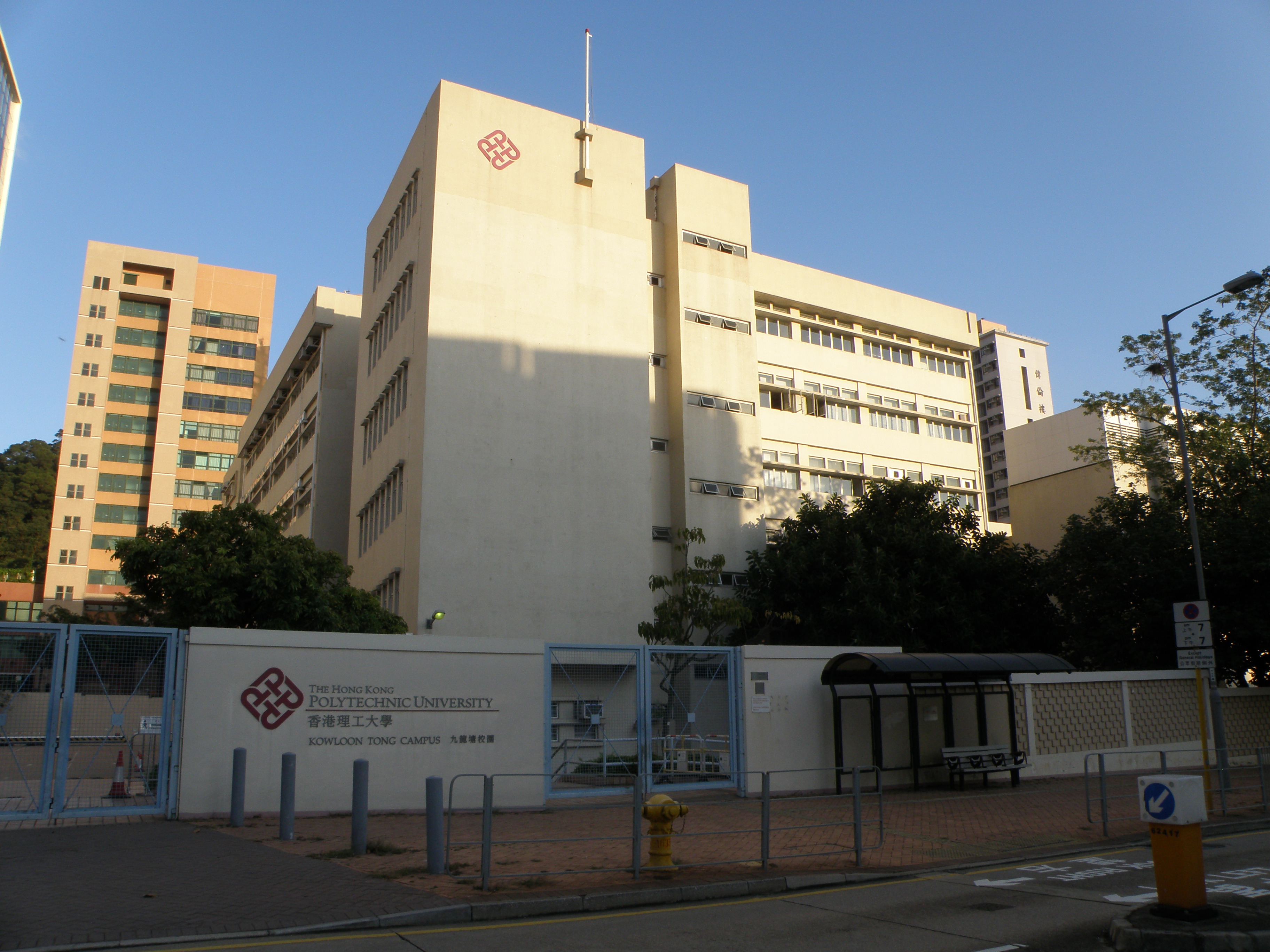
Cao Liangliang, a Google DeepMind director who worked on Gemini, is taking up an artificial intelligence chair at Hong Kong Polytechnic University after twenty years in the US, joining a growing wave of AI researchers leaving Silicon Valley for Asia.
Contents
Cao Liangliang, director and chief engineer of the Gemini team at Google DeepMind, is leaving the United States after a twenty-year career to return to Hong Kong. Starting June 29, 2026, he takes up a full professorship in artificial intelligence systems at the Department of Data Science and Artificial Intelligence at Hong Kong Polytechnic University.
Cao's career spanned several key hubs of the US tech industry. After his PhD, he joined IBM's T.J. Watson Research Center, then Yahoo Labs, and in 2018 Google acquired his startup, Switi. At Google he worked as a senior scientist and manager before moving to Apple as chief scientist responsible for on-device modeling for Apple Intelligence. He later returned to Google within the DeepMind organization, taking on the role of director for Gemini model development.
Back to His Roots
Cao completed his master's studies at the Multimedia Laboratory of the Chinese University of Hong Kong, where his mentor was Tang Xiao'ou, a scientist who trained many of today's leaders in China's AI industry, including the founder of SenseTime. Cao described returning to the same academic environment after two decades as a moment when his career had come full circle.
Returning to Hong Kong feels like my career coming full circle - Cao Liangliang, former director of the Gemini team at Google DeepMind
A Reverse Brain Drain
Cao's departure fits into a broader trend that migration researchers call reverse brain drain. Between 2010 and 2021, the number of China-born scientists leaving the United States rose by 75 percent, and among those who left in 2021, two-thirds went to mainland China or Hong Kong. Hong Kong further courts returning specialists through programs such as the HK$100 million Beyond Dreams fund, which offers scholarships and housing subsidies.
The movement isn't one-directional. Just weeks earlier, on June 18, 2026, Noam Shazeer, co-creator of the Transformer architecture and co-lead of Google's Gemini project, announced his departure for OpenAI, less than two years after Google paid $2.7 billion to bring him back to the company as part of its Character.AI technology acquisition. The two parallel moves, one to Asia, the other between American labs, show just how intense and unpredictable the competition for top AI researchers has become.
China's Recruitment Strategy
For several years, China has been systematically investing in luring back scientists working in the US, offering grants worth millions of yuan, housing subsidies, and research funding of 3 to 5 million yuan per project. In October, a new visa category for young science and technology talent, the so-called K visa, was also introduced. At the same time, US export restrictions are making it harder for tech companies to retain China-born researchers, while Beijing offers them unrestricted access to data and support from state-backed labs.
What It Means for the AI Race
For the global race for AI dominance, the departure of the Gemini team's director carries both symbolic and practical weight. Symbolic, because it shows that even the most prestigious positions at American AI labs don't guarantee they can retain talent long-term. Practical, because the experience gained building Gemini, Apple Intelligence, and earlier IBM Watson is now flowing into a Hong Kong academic institution that could become the seed of new research teams in the region.
For observers of Poland's AI market, Cao's case is a reminder that the industry's key resource remains people, not just computing infrastructure. Countries and companies looking to build their own AI capabilities will need to compete not only with Silicon Valley but also with the growing pull of academic and industrial centers in Asia.