News
Hundreds Protest Outside OpenAI, Anthropic and Google DeepMind Offices in San Francisco
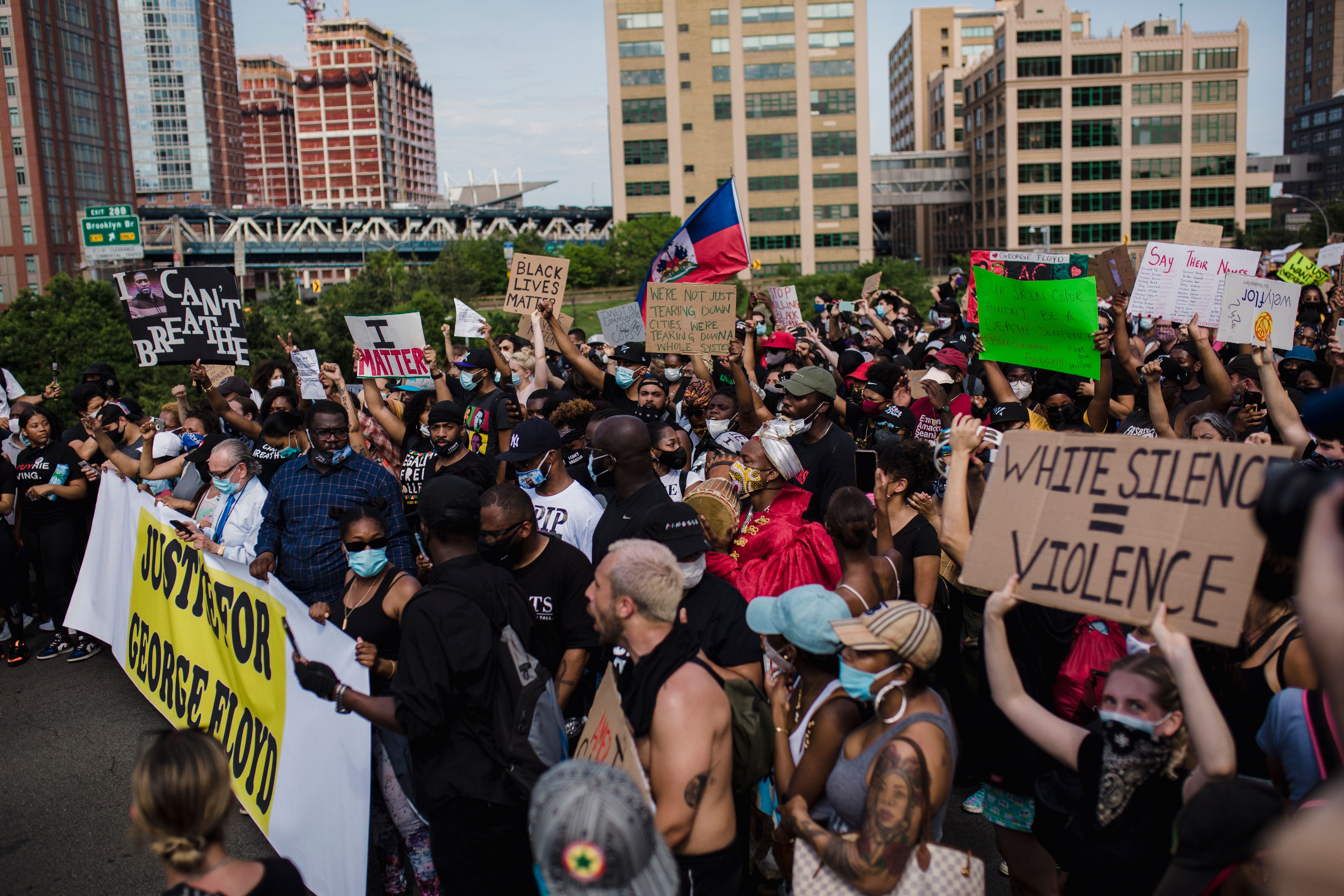
On Saturday, July 11, between 100 and 350 demonstrators marched through San Francisco demanding a halt to the race toward increasingly powerful AI models. Organizers called it the largest anti-AI protest in US history.
On Saturday afternoon, a march wound through the streets of San Francisco that organizers described as the largest demonstration against artificial intelligence development in US history. The route began outside OpenAI's headquarters in the Mission Bay neighborhood, passed Anthropic's offices downtown, and ended at the Google DeepMind building on Embarcadero.
Demonstrators carried signs reading 'Stop the AI Race,' 'AI is not inevitable,' 'Pause AI' and 'Dead end,' chanting slogans including 'Slam the brakes and slow the race.' The march was led by the St. Gabriel's Celestial Brass Band, giving the event more the feel of a parade than a confrontational protest. The action was jokingly dubbed 'Freeze AI on Slushy Day,' a nod to the date 7/11 and the frozen-drink promotions run by the 7-Eleven convenience store chain.
Who joined the march
Participants came with widely varying motivations. Michael Trazzi, founder of Stop The AI Race, went on a hunger strike outside Google DeepMind's London office this spring. Rohan Prasad, a former AI safety researcher, marched dressed as the dinosaur Barney. The crowd also included residents of nearby neighborhoods worried about the environmental impact of data centers, families with children from Oakland, and students who watched the event with curiosity.
We're building AI that can conduct its own AI research and improve itself, and that's a threat to humanity, especially the risk of extinction. It's not just me and other researchers saying this, the heads of these companies are saying it themselves - Michael Trazzi, founder of Stop The AI Race
Another participant, UC Berkeley student Sophie Bucker, told reporters about the need to 'bring back human-made creativity,' emphasizing the value of wrestling with the creative process rather than automating it away. Caitlin Yardley, one of the organizers, said the movement wants to center joy and community rather than fear of technology alone.
Demands and political context
Organizers want the heads of the largest AI labs to publicly commit to a conditional pause on developing the most advanced models until reliable methods exist for controlling their capabilities. The protest coincided with a debate in Washington, where the White House is pushing a national regulatory framework for AI while the Trump administration considers limiting tech companies' legal liability for harm caused by their models. That juxtaposition, street-level opposition to the pace of AI development alongside a loosening of regulation at the federal level, formed the backdrop to the whole affair.
San Francisco has been the natural hub for such protests for several years, since it is home to OpenAI's and Anthropic's headquarters and Google DeepMind's office, with xAI and dozens of smaller AI startups operating within a few miles. Earlier demonstrations by the same coalition drew far smaller crowds, so organizers see the scale of Saturday's march, whether it numbered one hundred or three hundred fifty people, as evidence of growing public support for slowing the technology race.
Why it matters for Poland
Polish entrepreneurs and creators mostly follow the pace of development at OpenAI, Anthropic and Google through the lens of new features and pricing. A social movement demanding a halt to that race, even if it currently has no real influence on boardroom decisions, points to a growing tension between the speed of AI commercialization and the concerns of parts of the public, and of industry workers themselves, over control of increasingly powerful systems. Sooner or later that tension feeds into regulation that will also reach the European and Polish markets, including the EU's AI Act.
Critics of the protest note that AI labs have no legal or market incentive to voluntarily slow down, since competitors, including Chinese firms building their own models, have no plans for a pause. Supporters counter that public pressure and the media attention generated by such marches could eventually force greater transparency around safety testing, even without a formal moratorium.