News
IMF chief calls AI a "slow-moving tsunami" for jobs, education and taxes
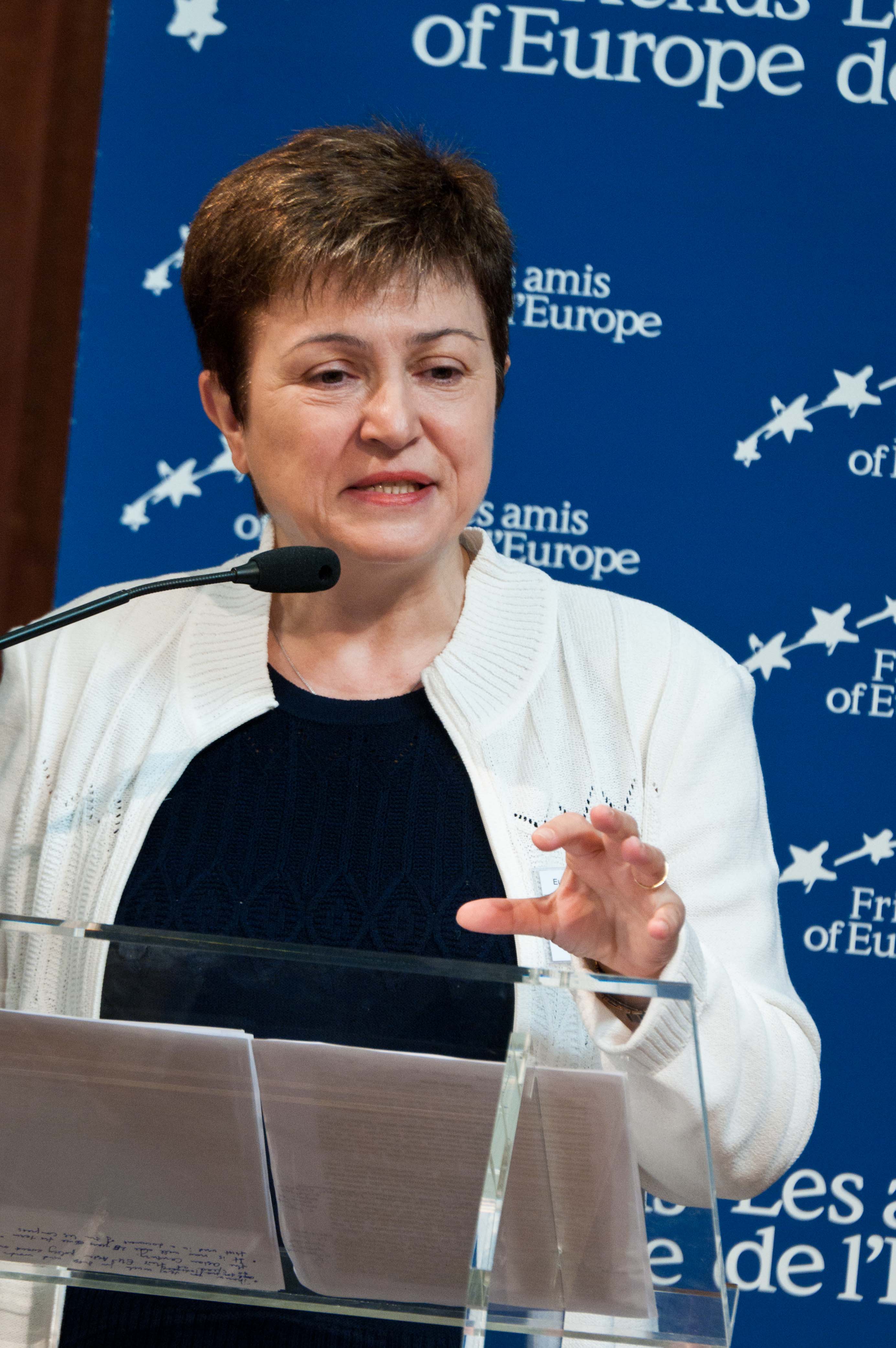
At the IMF and World Bank autumn meetings in Bangkok, Kristalina Georgieva compared the impact of AI to a "slow-moving tsunami". The fund estimates AI could eventually augment, downgrade or eliminate about 40% of jobs worldwide.
Contents
International Monetary Fund Managing Director Kristalina Georgieva has described the impact of artificial intelligence on the economy as a "slow-moving tsunami". Georgieva said so on 12 October at the autumn meetings of the IMF and World Bank governing bodies in Bangkok. The wave, Georgieva said, will hit the labor market, education and the way states collect taxes.
What Georgieva said
According to a PAP report published by Forsal, Georgieva described the AI boom as a shock to demand and investment. Heavy spending on AI infrastructure is propping up global growth at around 3%, and many Asian economies that supply computer hardware are benefiting substantially. In July the IMF forecast global growth of 3% for 2026, and an updated forecast was due on Tuesday.
The tsunami comparison is not only about growth, though. Georgieva pointed to far-reaching effects on the labor market, education and governments' tax revenue. According to CNBC, Georgieva said AI is hitting the global labor market like a "slow-moving tsunami".
Love it, hate it, or fear it. It [AI] is here, and we are already seeing the first wave of impact. - Kristalina Georgieva, IMF Managing Director (CNBC)
Scale of labor market change
The IMF estimates that AI could eventually augment, downgrade or eliminate about 40% of jobs. Both Forsal and CNBC stress that the effects are spread over time ("eventually" in the English original), not a short-term forecast. Saying AI will "affect 40% of jobs" therefore does not mean 40% of positions will disappear.
According to CNBC, exposure to AI is about 60% in advanced economies and 23% in low-income countries. Georgieva noted that poorer countries are not better off, just because AI is further away from them. Forsal also reports that a preliminary study found 10% of US jobs already require AI skills.
The biggest worry is for people entering the labor market. The routine, repetitive tasks that careers usually start with may shrink. Forsal reports that routine work is expected to decline, while lower-paid sectors such as construction and data centers may grow.
Voices from the World Bank
World Bank President Ajay Banga spoke about promoting "small AI", meaning tools that do not depend on large language models. In his view they can significantly raise productivity in agriculture, health care and education in developing countries. According to CNBC, Tharman Shanmugaratnam, co-chair of the World Bank's Jobs Council, urged governments to make "crisis-era" support measures permanent and to incentivize firms to hire young graduates.
What it means for Poland
The figures cited cover the world and groups of countries, not Poland, and the sources contain no separate assessment of the Polish labor market. The tax angle still matters here: if economic activity shifts from labor toward capital, the base from which states collect taxes changes. Georgieva named this as one of the areas where AI will act like a tsunami.
It is worth remembering that these are conference remarks and IMF estimates, not measured effects. The fund itself stresses that the impact will be spread over time. The IMF's updated economic forecasts, due on Tuesday, will show how the institution assesses the current effect of AI investment on growth.