News
Lawmakers Urge FAA to Pause AI Air Traffic Tool Around Washington
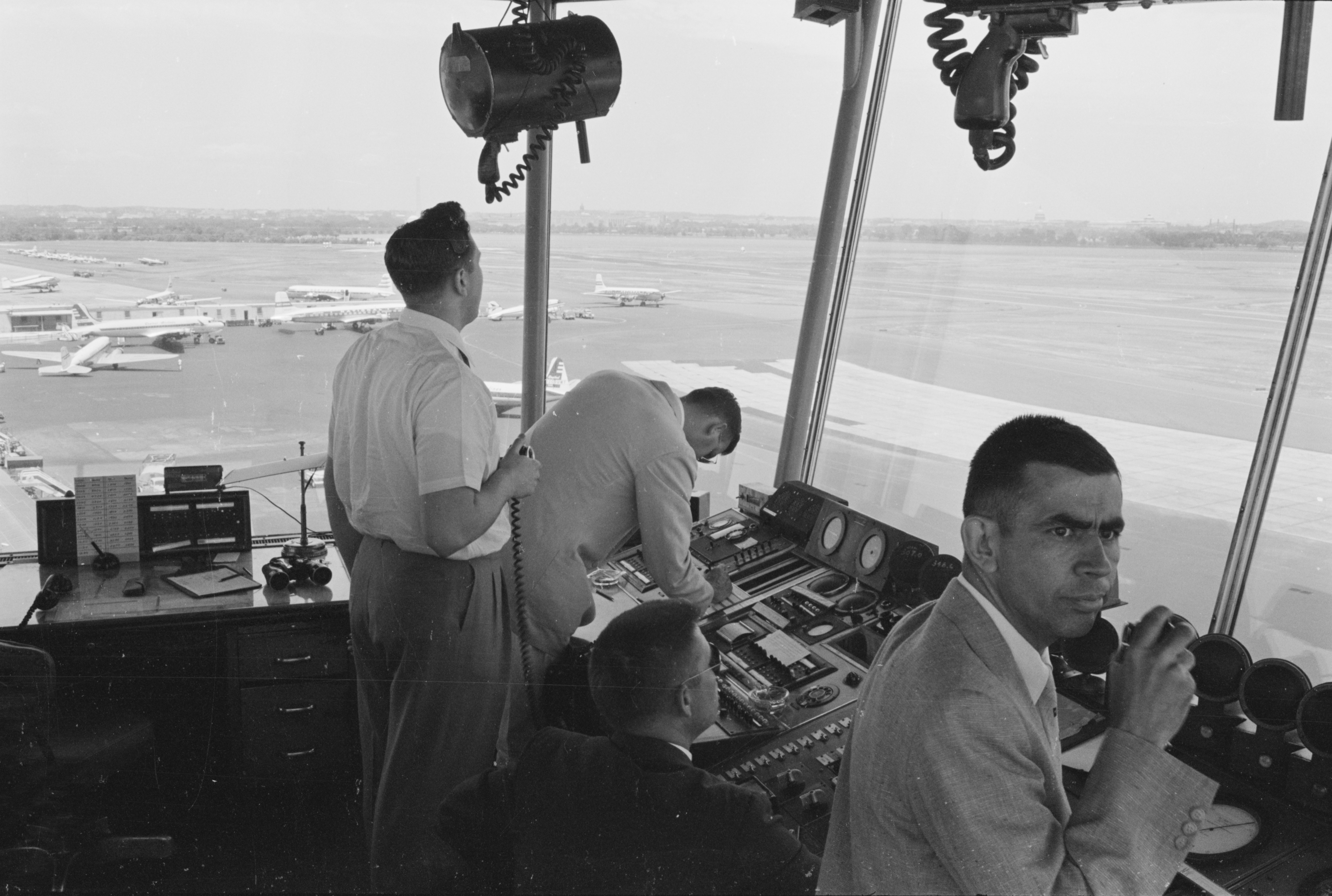
A group of US lawmakers has asked the FAA to suspend SMART, an AI-supported air traffic management tool in use at three Washington-area airports. They are asking about safety testing, training and who is accountable if an incident occurs.
A group of members of the House of Representatives is demanding that the US Federal Aviation Administration (FAA) suspend the rollout of SMART, an artificial intelligence-supported tool that has been running at Washington-area airports since September. The October 9 letter is led by Democrat Rep. April McClain Delaney of Maryland.
What SMART Does
SMART stands for Strategic Management of Airspace, Routes and Trajectories. According to the Department of Transportation, cited by AVweb, the system combines about 200 data streams, including weather, flight paths, traffic flow and controller staffing, to flag potential congestion before disruptions occur. The tool is being developed with Air Space Intelligence under a broader FAA contract for air traffic management software.
The department describes SMART as a source of scheduling recommendations, with FAA personnel deciding whether to adopt them. It says the system does not control aircraft and does not replace controllers. The FAA intends to expand it gradually beyond the Washington area.
The Lawmakers' Concerns
The letter's authors say no safety evaluation of the tool has been published and that consultation with controllers and experts was limited. The letter cites reports that frontline aviation safety workers received only days of notice before the rollout, or none at all.
The lawmakers note that controllers already work under staffing pressure, so new technology requires training and clear procedures for human oversight. They also point to the deadly crash near DCA, which according to the statement killed 67 people. They say there is little transparency about how the AI systems work and how decisions are made.
I’m calling on the FAA to pause this rollout, show us the safety testing, and explain who is accountable when something goes wrong. - Rep. April McClain Delaney, Maryland
Questions for the FAA
The letter poses questions in three areas. The first is safety testing: what evaluations were completed, how the system performs during severe weather or outages, and whether any safety review requirements were waived during contracting.
The second is consultation and training, meaning what input the FAA sought from airport authorities, safety workers and airlines, and how personnel were trained. The third is evaluation and accountability: how performance will be measured during the 90-day initial evaluation, what standards must be met before nationwide expansion, and who is responsible if a recommendation contributes to an incident.
This administration may treat Big Tech companies with impunity, but air traffic control leaves zero margin for error. - Rep. Alexandria Ocasio-Cortez
What Comes Next
None of the sources cited reports an FAA response to the letter. The congresswoman's statement sets no deadline for a reply, and the only timeframe is the 90-day initial evaluation, after which the tool is slated to expand.
For readers in Poland, this is an example of a dispute that will recur with every deployment of AI in critical infrastructure. The question is not whether the tool advises or decides, but who vetted it before launch and who is responsible for a mistake.