News
Lenovo: RAM and SSD prices will never return to pre-2025 levels
Lenovo warns that rising RAM and NAND memory prices reflect a permanent market shift, not a temporary spike. The culprit is AI data centers' appetite for memory chips, which has already driven up prices for consoles and PC components.
Contents
During the ISC 2026 conference, a Lenovo representative said plainly that the so-called RAMageddon, the sudden surge in RAM and NAND chip prices, is not a temporary phenomenon. The company is warning business and consumer customers that pre-2025 prices will most likely never return, and that the market may not stabilize at a higher level until around 2030.
A new normal, not a correction
For years, the tech industry had grown used to cyclical swings in memory prices: periods of high prices were usually followed by overproduction and price drops. Lenovo says that this time the mechanism won't kick in, because demand from AI data centers is structural and lasting rather than seasonal. The company has published a kind of guide for its business partners on how to plan hardware purchases amid chronic shortages.
The scale of the price increases is significant. Contract prices for PC DRAM more than doubled quarter over quarter in the first quarter of 2026, setting a record for a single quarter. NAND flash memory prices rose 55 to 60 percent over the same period. Micron told investors it can meet only half to two-thirds of reported demand.
AI is eating up the supply
The main culprit is HBM memory, high-performance chips stacked in layers that go into AI accelerators rather than ordinary laptops or phones. Manufacturers like Samsung, SK hynix and Micron are redirecting an ever-larger share of production toward HBM, since margins there are far higher than on standard DDR5 or LPDDR5 memory for consumer devices.
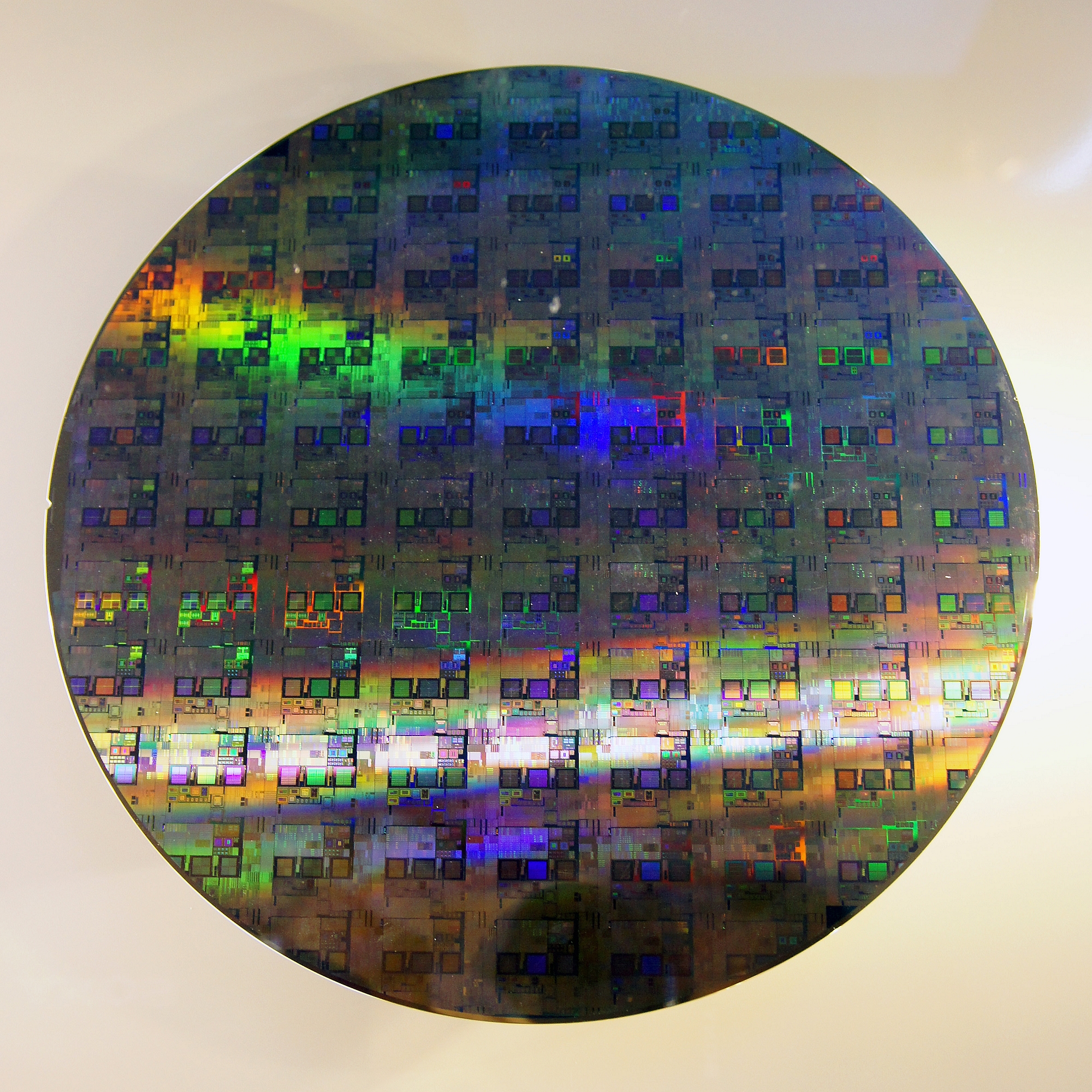
The scale of demand is striking. According to Reuters, OpenAI's demand for DRAM wafers alone could reach as much as 900,000 wafers a month, roughly 40 percent of global production, while SK hynix currently produces about 160,000 wafers a month. Data centers already account for nearly 70 percent of total global memory chip consumption. Microsoft, Google, Amazon and Meta have signed multi-year supply agreements with memory makers that lock in most of the new production for their AI data centers in advance.
Consumers foot the bill
The effects are most visible in consumer device prices. Microsoft announced Xbox console price increases starting August 1, 2026: the 512 GB disc version will cost $100 more, the 1 TB model $150 more, while the 2 TB version will be discontinued. The company explained that memory and storage costs in its consoles have already risen more than 2.5-fold, and could double again by the fall of 2027.
Laptop, smartphone and desktop PC makers are under similar pressure, since RAM and SSDs are among the biggest cost components in their products. Micron's new factories in Idaho and Singapore aren't set to come online until 2027, and its Hiroshima plant won't reach full production until 2028, meaning real relief on the supply side is still a long way off.
What it means for the Polish market
For Polish businesses and consumers, this means higher prices for new computers, servers and electronic devices for years to come, not just quarters. IT departments planning to refresh their laptop fleets or expand server infrastructure should assume that pre-2025 budgets won't cover the same hardware specifications anymore. Expect pricier components for self-built PCs too, along with higher prices for consoles and gaming hardware sold in Poland.
Analysts at Kearney PERLab estimate the memory shortage could persist at least until 2030, and SK Group chairman Chey Tae-won has suggested a similar timeframe for AI-driven price pressure. As long as data center demand for language models and image generators keeps growing faster than manufacturing capacity, memory prices will stay elevated no matter how individual manufacturers' quarterly results turn out.