News
Italian Startup Unveils Gene.01 Humanoid With Full-Body Touch Sensors
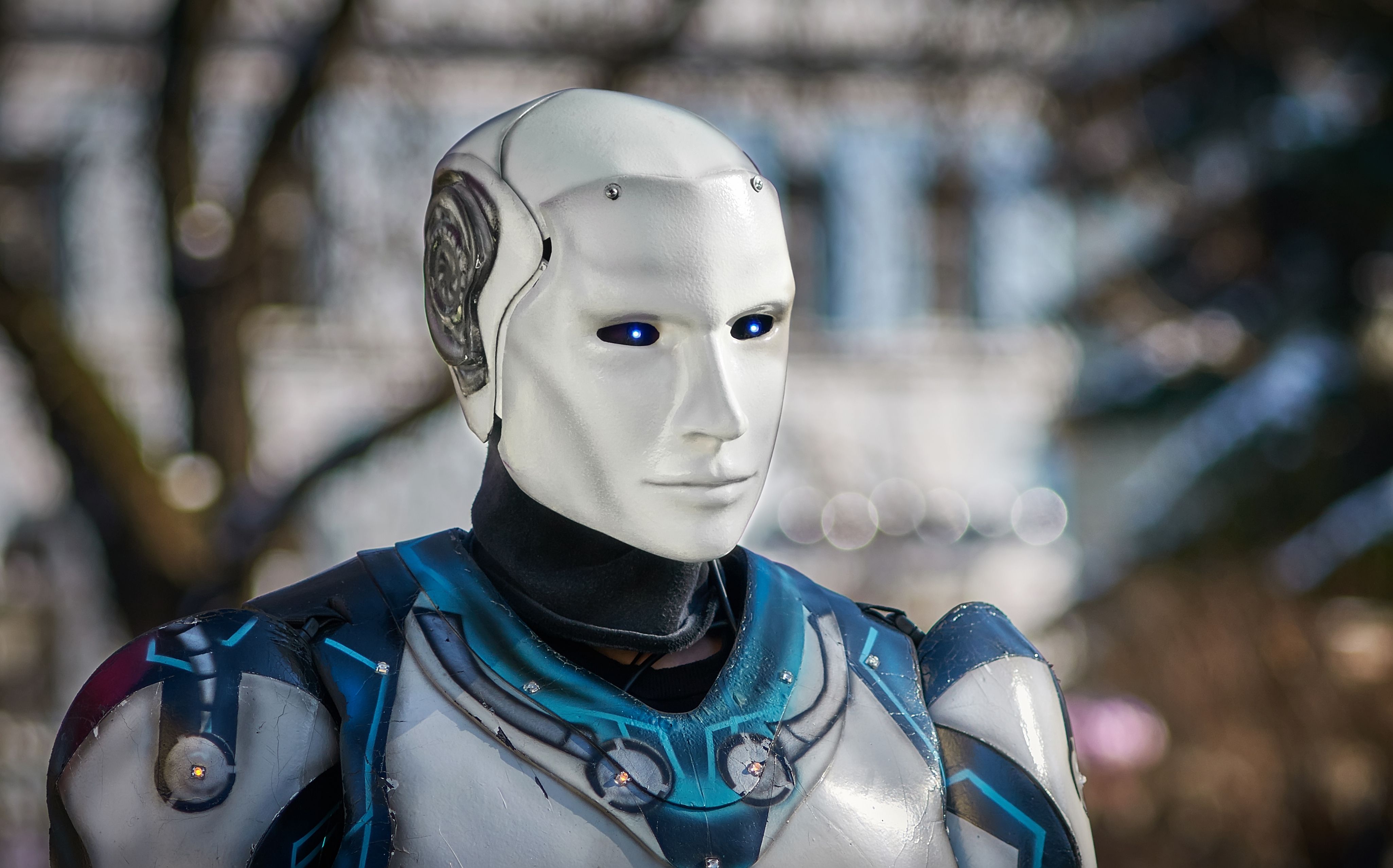
Genoa-based startup Generative Bionics built the Gene.01 humanoid in six months, covered in distributed "smart skin" that detects touch, pressure, temperature and human proximity. The company raised $81 million in seed funding and signed its first industrial contract with shipbuilder Fincantieri.
Contents
Italian startup Generative Bionics, based in Genoa, has unveiled Gene.01, a humanoid robot covered in a sensor network that runs from its torso to its limbs. Rather than relying mainly on cameras like most rival humanoids, the robot is designed to detect a person's presence before physical contact even occurs.
Skin Instead of Vision Alone
At the heart of Gene.01 is a distributed, multimodal "smart skin" covering the robot's body. Sensors detect touch, proximity, pressure and temperature, letting the machine sense a person's presence and adjust its movement before contact rather than only after it. The creators compare this to the reflex of pulling a hand away from a hot stove before you've actually touched it.
The same sensor system is also meant to teach the robot new tasks through direct guidance of its arm. A person demonstrates not just the trajectory of a motion but also the force needed to carry it out, something video alone cannot convey. This is meant to solve a gap that image-based robot training doesn't cover, such as how hard to grip an object without crushing or dropping it.
Six Months, Physics Built In
Generative Bionics says it built Gene.01 from concept to a fully working platform in six months. The company describes its approach as "physics-native AI", designing the body, mechanics and motion intelligence as one integrated system rather than separate hardware and control software. The technology draws on research published in the journal Nature Machine Intelligence on July 13, 2026, stemming from work at the Italian Institute of Technology (IIT).
The project is led by Daniele Pucci, CEO of Generative Bionics, previously involved in robotics research at IIT. The team also includes Federico Santini, formerly head of vehicle assembly at Ferrari, who has taken on the role of Chief Product Officer. The company currently employs around a hundred people, nearly half of whom hold a doctorate.
Unlike other general-purpose humanoids, Gene.01 is a scalable platform, adaptable at the level of artificial intelligence, structure and end effectors, so it can best match each customer's needs. Our goal is to empower people with robots that can sense, feel and learn from the physical world - Daniele Pucci, CEO of Generative Bionics
Funding and First Industrial Client
Generative Bionics raised $81 million in a seed funding round led by CDP Venture Capital, with participation from AMD Ventures, Duferco, Eni Next, RoboIT and crypto company Tether among others. It is one of the larger recent funding rounds in European humanoid robotics.
The company's first industrial partner is Italian shipbuilding group Fincantieri, with which Generative Bionics is developing a welding application for Gene.01 in shipyards. It's an environment with tight workspaces and a high risk of collisions, where the robot's ability to sense human presence has practical rather than merely demonstrative value. German company Synapticon is responsible for developing the robot's actuators, building a protected European supply chain for actuators that includes assembly, calibration and safety testing within the EU.
Open Model and Year-End Plans
Generative Bionics is releasing a digital twin of Gene.01 as open-source software on PyPI, conda-forge and the official ROS build farm. The company claims it is the first humanoid robot published and maintained across the major software distribution ecosystems used in so-called physical AI, artificial intelligence that controls physical machines.
The robot debuted in the United States at the AMD Advancing AI 2026 event in late July. Earlier, in January 2026, the company showed a concept version of Gene.01 at CES that defined the look and technological identity of its future products. Generative Bionics has announced a full commercial industrial launch by the end of 2026.
For a Polish reader, Gene.01 is another signal that European humanoid robot makers are trying to compete with Chinese and American rivals not through production scale but through specialization, safety in working alongside people in narrow, specific industrial applications like shipyards or assembly lines, rather than general-purpose home or warehouse robots.