News
Lorde Slams Spotify Over Inaccurate AI-Generated Song Descriptions
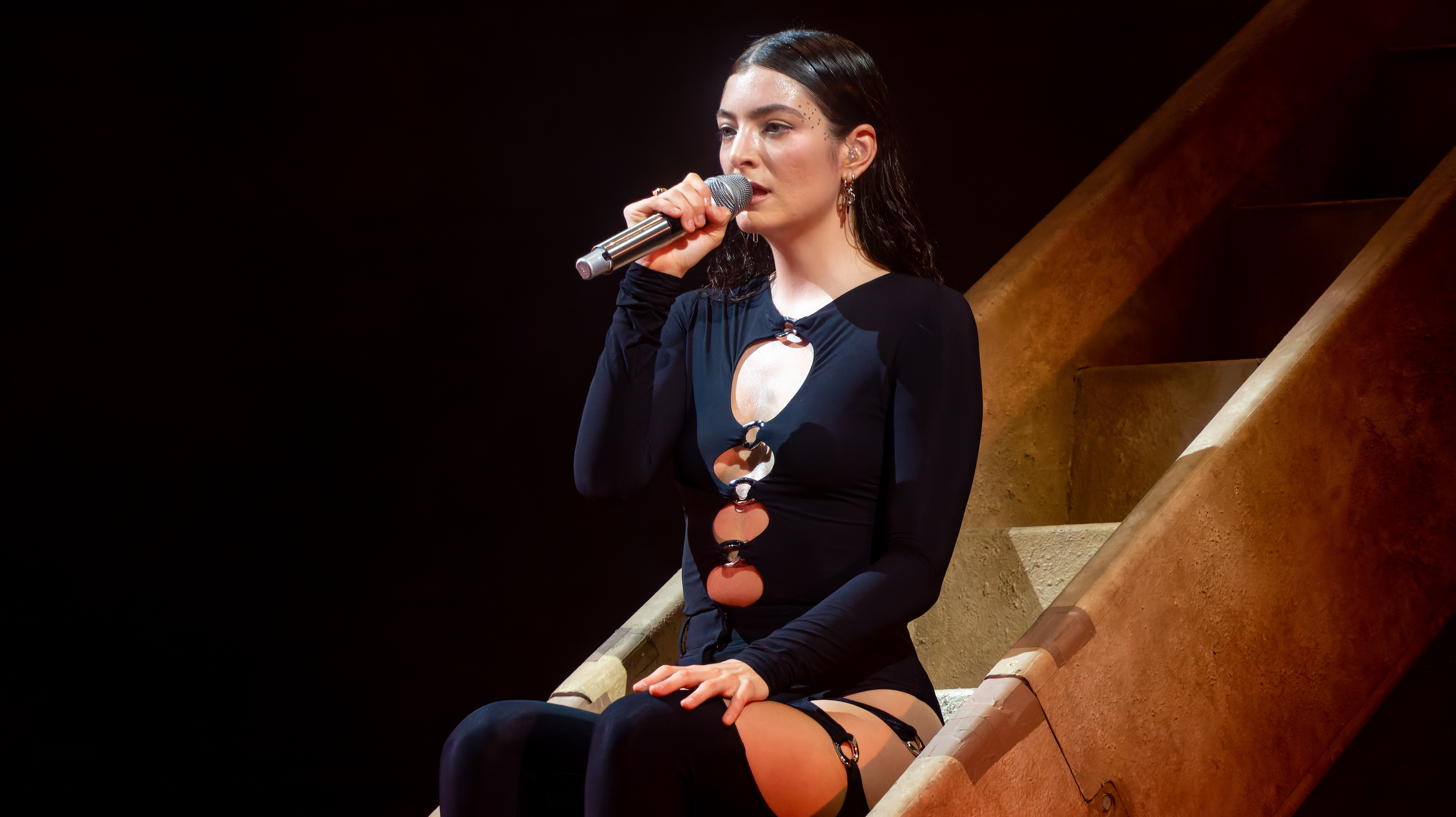
Singer Lorde accused Spotify of publishing inaccurate AI-generated context for her song "Current Affairs" through its "About the Song" feature, and demanded that artists be allowed to opt out.
Grammy winner Lorde has publicly criticized Spotify over its "About the Song" feature, which uses artificial intelligence to generate context blurbs for tracks. The complaint followed an inaccurate description of her song "Current Affairs," in which the AI mixed up facts about her concert tour.
The New Zealand artist flagged an entry that appears directly next to one of her songs in the Spotify app. The description implied that "Current Affairs" had accompanied a particularly personal moment during her 2025 Ultrasound World Tour. As Lorde pointed out, that's not true, that part of the show actually involved a completely different song, "GRWM."
What Lorde said
The singer didn't stop at pointing out the factual error. She raised a broader concern: having AI automatically "explain" a song's meaning right at the point of listening limits a listener's freedom to interpret it for themselves. She also demanded that Spotify let artists opt out of having such descriptions shown alongside their music.
Not only is this untrue (not the song I did that to), but reducing a song to an AI-generated meaning right at the source limits the listener's ability to interpret it for themselves. At the very least let artists opt out of this - Lorde
I'll go out on a limb and say we don't want this - Lorde
What About the Song does
"About the Song" is a Spotify feature launched in limited access in early 2026 and still running in beta. It uses artificial intelligence to generate short summaries of a song's context, such as the circumstances of its creation, its subject matter, or references in the lyrics. According to Spotify, the data doesn't come from the service's internal databases but from articles and materials publicly available online, which raises the risk of repeating inaccurate or outdated information.
A Spotify spokesperson addressed the matter in a brief statement, acknowledging the error but defending the feature's underlying idea as a response to fans wanting to learn the story behind specific songs.
We built 'About the Song' because fans want to dig into the stories behind the music. The feature is still in beta. The information comes from articles available online, and when something is wrong, we fix it quickly, as we did in this case - Spotify spokesperson
A fight over narrative control
Lorde's case fits into a broader, growing conflict between artists and streaming platforms over who gets to assign meaning to a piece of music. Automated AI-generated descriptions, placed directly next to the player, reach millions of listeners at once and can cement a mistaken or shallow reading of a song before the listener has a chance to form their own opinion.
For artists, the problem isn't just the risk of a factual mistake, but the principle itself: a distribution platform attaching an automated interpretation to their work without consent. Lorde's demand for an opt-out amounts to a call for artists to regain control over how their music is presented to audiences in the very place they listen to it most.
What happens next
Spotify has not announced any change to how the feature works or an opt-out option for artists, limiting itself to fixing the specific inaccurate description Lorde flagged. The feature remains in beta, and a growing chorus of criticism from musicians could push the company to either verify its sources more carefully or introduce a control mechanism for artists and labels.
The episode also touches on the wider debate over the reliability of AI-generated content built on scraped web material, similar complaints about pulling data without verification or consent have already been raised against other AI-powered features in the music industry.