News
Meta Caps Free Use of AI Feature on Ray-Ban Smart Glasses
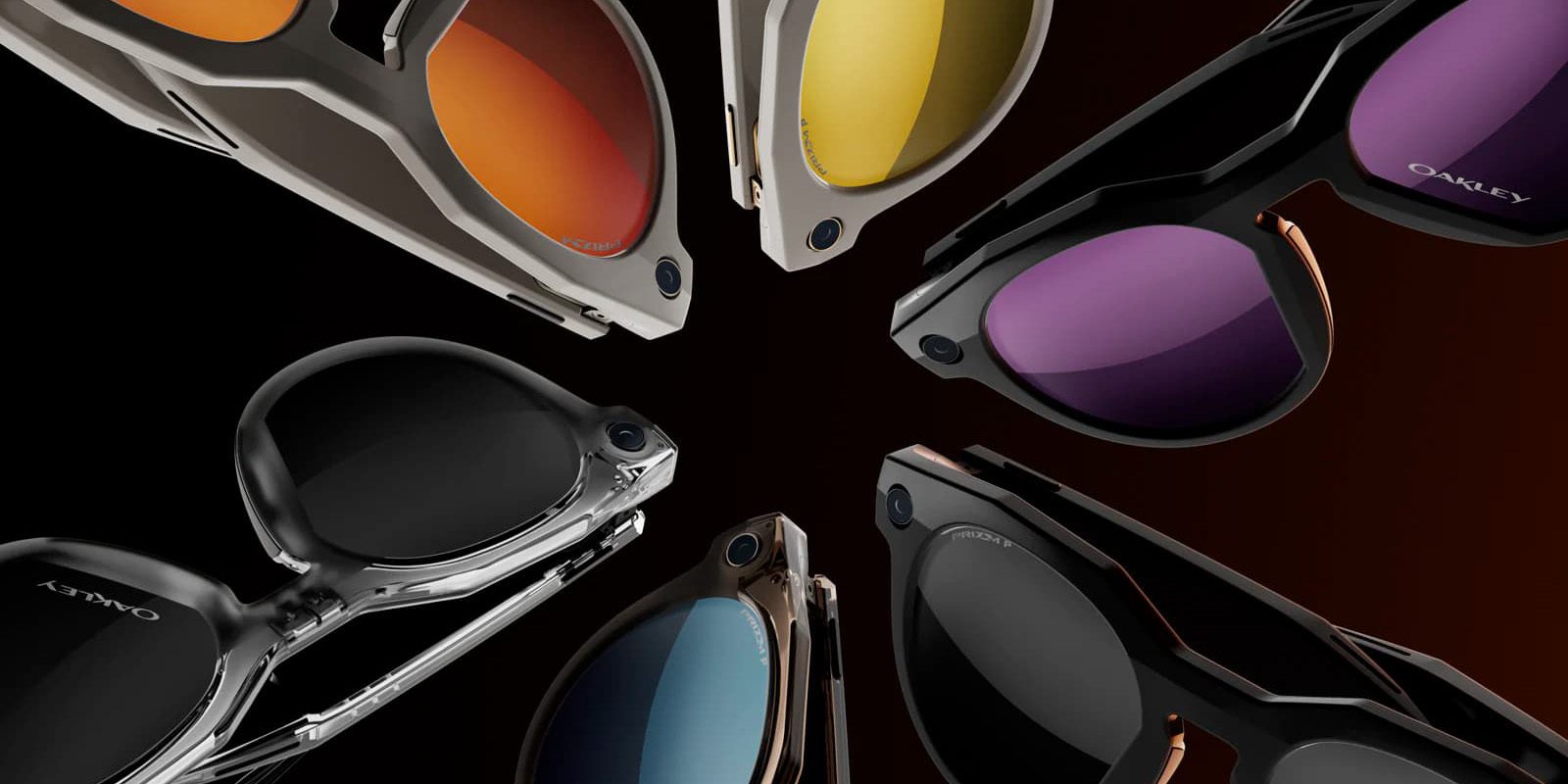
Meta has limited free use of the Conversation Focus feature on its Ray-Ban smart glasses to three hours a month, requiring a $20 Meta One Premium subscription for full access. Users are criticizing the move since the feature runs locally on the device and generates no server costs.
Meta has capped one of the most praised features on its Ray-Ban smart glasses. Conversation Focus, the mode that boosts a speaker's voice in noisy surroundings, is no longer free without limit. Once a user exceeds three hours of use per month, the feature shuts off, and continued access requires a Meta One Premium subscription at $20 a month.
What changed
Conversation Focus relies on directional microphones built into the frames and on-device audio processing to isolate and amplify the voice of the person facing the wearer. It's useful in restaurants, at parties, or in crowded conversations where ambient noise makes it hard to follow what someone is saying. Until recently, it worked with no time restrictions for every glasses owner.
Now the free allowance is three hours a month. Meta One Premium subscribers get fifteen hours, plus faster access to what Meta calls Premium Device Support. The Meta One bundle also covers other AI features across Instagram, Facebook, and WhatsApp, so the fee isn't tied to the glasses alone.
Backlash over the cap
Critics point out that Conversation Focus runs locally, on the chip inside the frames, so using it doesn't load Meta's servers or generate cloud compute costs the way a query to an AI assistant would. Limiting a feature that costs the company nothing extra per additional use reads, to many, as a purely commercial move meant to push users toward a subscription rather than a genuine resource-management need.
There's also loud pushback from people who rely on the feature for health reasons, such as hearing loss, for whom Conversation Focus effectively works as everyday hearing support. For them, three hours a month is very little, and having to pay for a subscription just to regain functionality that used to be free is drawing criticism. The story gained another layer when it separately emerged that Meta had been testing facial recognition in the glasses, despite earlier assurances that no such feature was planned.
Meta's response
The company defends the move by arguing it isn't a cap on AI functionality as such, but rather management of access to a resource-intensive premium option, while the glasses' core capabilities, including speech recognition and live translation, remain free with no limits. Meta describes the extra hours as a perk for its most active users rather than a restriction placed on everyone.
The Polish angle
Ray-Ban Meta glasses went on sale in Poland through retailers such as x-kom and Media Expert, though full Polish-language support for the Meta AI voice assistant still isn't fully rolled out across every feature. Polish buyers who use the device mainly in English or other supported languages will be subject to the same usage cap as users in the United States.
The episode points to a broader trend in the AI wearables market. Hardware makers, following the playbook software companies used before them, are starting to split features into free and paid tiers even when the marginal cost of offering them is close to zero. That's reshaping expectations for buyers of expensive hardware, since paying several hundred dollars for a pair of glasses no longer guarantees full functionality without extra fees.
So far, Meta hasn't said whether similar caps will extend to other glasses features, such as object recognition or the visual assistant. Market reaction and pressure from accessibility advocacy groups could still force a change to the rules, particularly for health-related use cases.