News
Meta Data Center Construction Contaminated Cheyenne Water System With Rare Bacteria
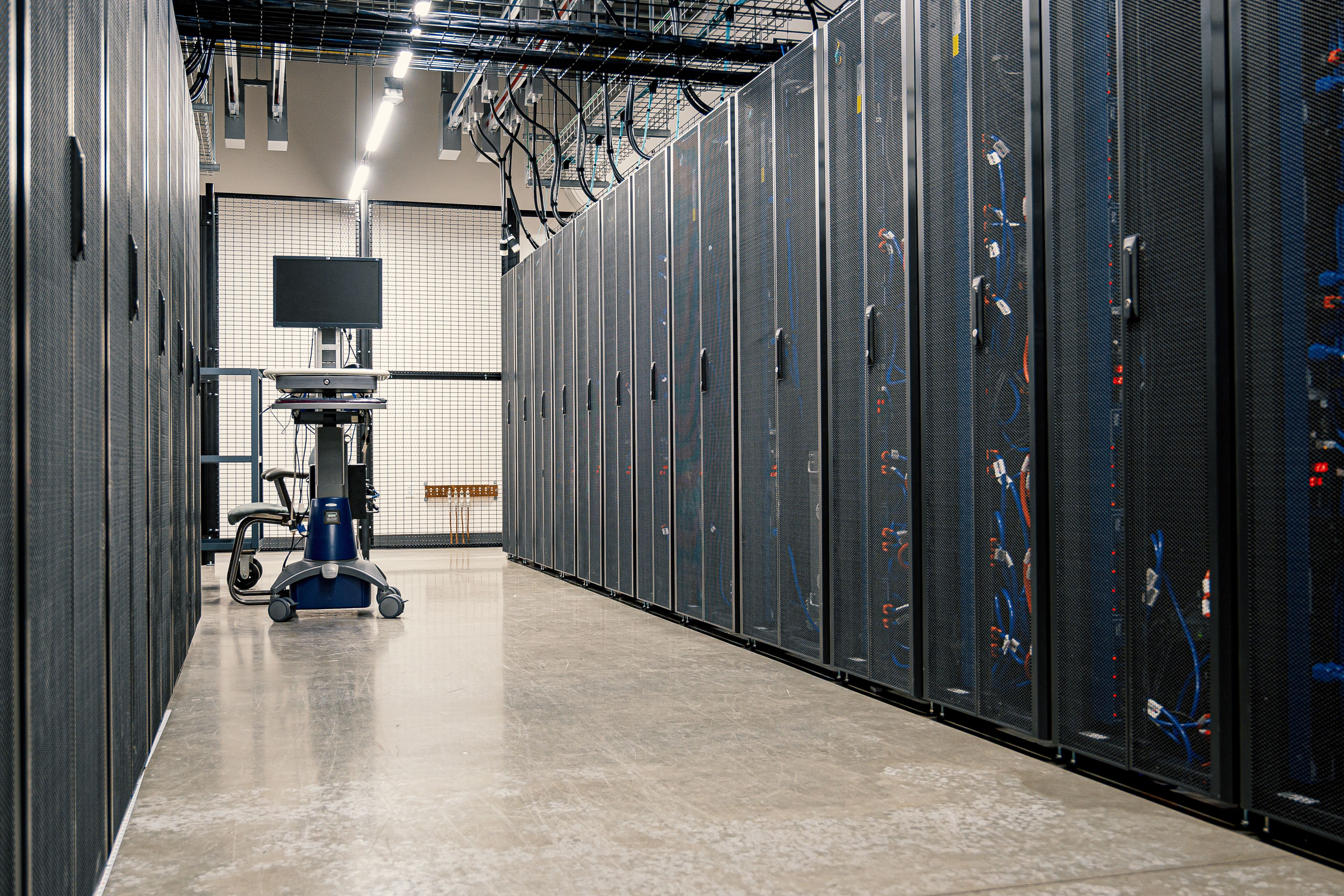
The city of Cheyenne, Wyoming halted acceptance of industrial wastewater from all local data centers after a contractor building Meta's campus contaminated the reclaimed water system with a rare, metal-resistant bacterium.
Officials in Cheyenne, Wyoming have announced that Meta's $800 million data center campus under construction is the source of contamination in the city's reclaimed water system with a rare bacterium, Cupriavidus gilardii. It is the first publicly disclosed case in which construction of AI infrastructure has been linked to microbial contamination of a water system.
Cupriavidus gilardii is an environmental bacterium found naturally in soil and water. Human infections are rare and occur mainly in people with weakened immune systems, but some strains of the species show resistance to multiple antibiotics. The scientific literature has documented roughly ten deaths linked to this pathogen so far, including three cases involving immunocompromised children.
How the contamination happened
The contamination occurred during what is known as fill-and-flush, a procedure in which a data center's cooling system is filled with water before its first startup to clear the installation of construction debris. Water from that operation entered the city sewer system and from there reached the reclaimed water treatment plant, meaning water reused for non-potable purposes such as irrigating green spaces.
The regulated entity responsible for the discharge was Goat Systems LLC, a contracting firm tied to construction of Meta's campus, designated CHY 1-2. The city's Board of Public Utilities found the company in significant noncompliance with local industrial waste regulations following a months-long investigation that ran from February to March 2026.
City response
After confirming the source of the contamination, the water utility temporarily suspended its reclaimed water irrigation program, permanently revoked Meta's wastewater discharge permit, and introduced a new policy banning discharges from closed-loop cooling systems and fill-and-flush operations for all data centers in the city until further notice.
This is a very, very unpleasant surprise. It definitely complicates things - Pete Laybourn, Cheyenne city council member
I think it's a disappointment for everyone involved - Patrick Collins, Mayor of Cheyenne
In a statement, Meta said it supports the contractor's efforts to resolve the issue and that the latest tests no longer show traces of the bacterium in the system. The company did not, however, address questions about responsibility for the incident itself or whether similar procedures are used at other data centers it is building.
Broader context for the AI industry
The Cheyenne case coincides with a Legionnaires' disease outbreak in New York that sickened 36 people, 22 of whom were hospitalized, also linked to large-scale cooling infrastructure. Scientists and local activists have spent months warning that the rapid expansion of data centers built to train AI models is driving enormous demand for cooling water, and that local water treatment systems are sometimes unprepared to handle such large and frequent industrial discharges.
For residents and officials in smaller cities competing for data center investment with promises of jobs and tax revenue, the Cheyenne incident illustrates a less visible cost of that competition. Wyoming has spent years attracting hyperscale data centers with cheap power and looser environmental regulations, and Cheyenne has become one of the symbols of that trend.
For Meta, the case means an additional delay in bringing online a campus meant to support the expansion of computing capacity for training and deploying AI models. The company is investing aggressively in US infrastructure while facing growing regulatory and public pressure over data centers' water and energy consumption.
It remains unclear what future rules will govern wastewater discharges from data centers in Cheyenne, or whether a similar ban will extend to other Wyoming cities where further Big Tech investments are underway or planned. Local officials say further inspections of other operators using the city water system are planned.

