News
Microsoft's CO2 Emissions Jump 25 Percent Amid AI Data Center Boom
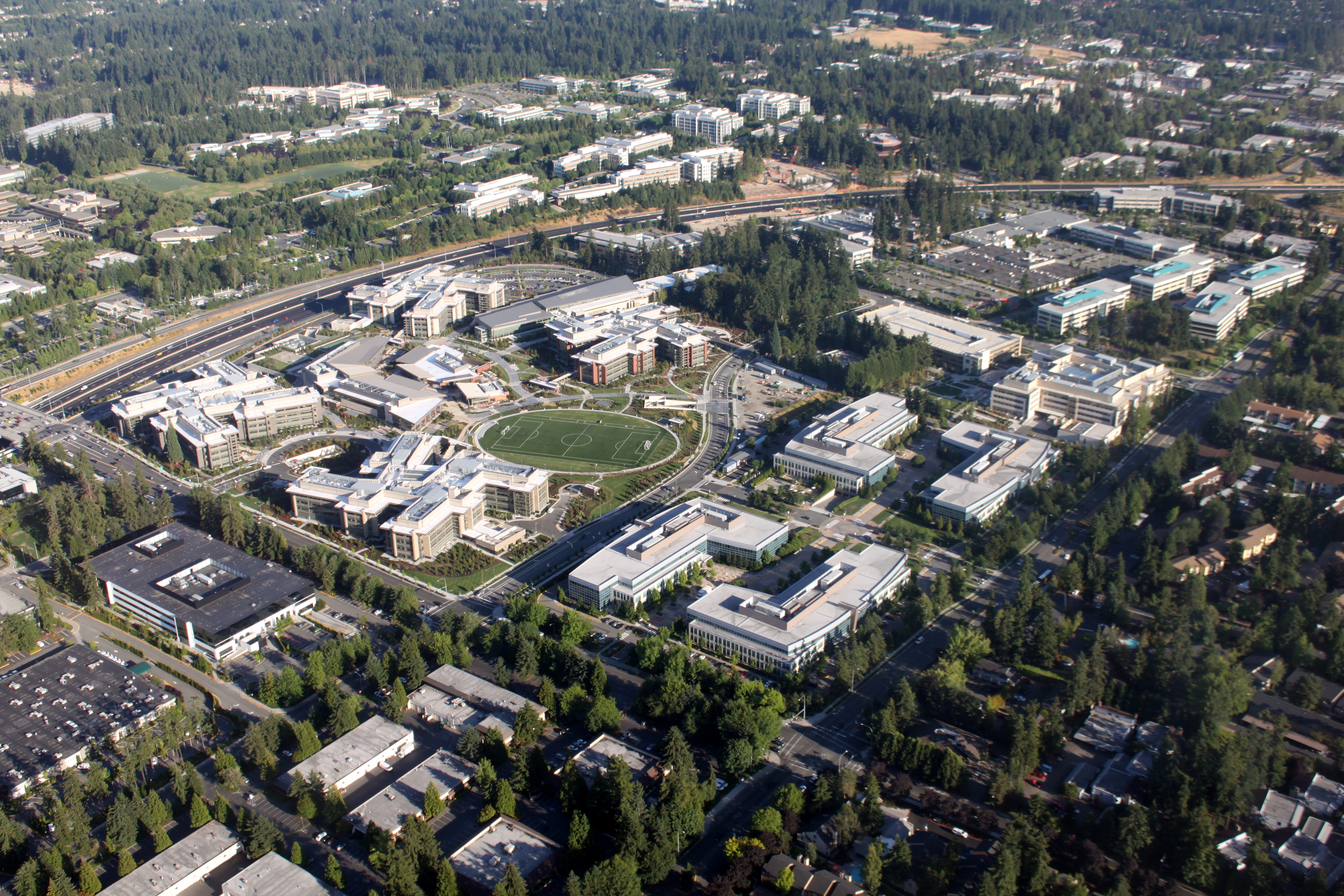
Microsoft's latest sustainability report shows its carbon emissions climbed 25 percent in a single year, driven by the buildout of AI data center infrastructure. Amazon and Google are reporting similar spikes.
Microsoft published its annual sustainability report on July 9, 2026, acknowledging that its carbon emissions rose 25 percent over the past fiscal year. The company attributes the jump to the rapid expansion of data centers needed to handle AI workloads. It is the clearest evidence yet that Big Tech's climate pledges are colliding with the real energy demands of AI models.
The report, also described in an official company blog post by President Brad Smith and Chief Sustainability Officer Melanie Nakagawa, openly admits that the pressure toward higher emissions was expected. Microsoft has for several years pledged to become carbon negative by 2030, meaning it would remove more carbon dioxide from the atmosphere than it emits. The latest figures show just how far the company still is from that goal amid a surge in demand for AI computing power.
Where the emissions spike comes from
A key factor is a shift in the company's energy purchasing strategy. Microsoft scaled back purchases of short-term renewable energy certificates in favor of long-term investments with a greater real impact on the power grid, which in the short run pushed up reported scope 2 emissions, those tied to electricity bought from the grid. That category's share of the company's total carbon footprint jumped from roughly 2 to 13 percent. The largest portion of Microsoft's footprint still comes from scope 3 emissions, generated across its supply chain, including the construction and outfitting of new data centers.
Building out infrastructure for AI models, from Copilot to Azure AI cloud services, requires constructing server facilities at a pace the industry has never seen before. New facilities need not just electricity but concrete, steel and cooling systems, generating emissions before the servers even begin processing a single user query.
AI infrastructure is driving demand for energy, water, land and materials, and sustainability solutions are not scaling fast enough to keep pace with that demand. This tension is real, but it is also productive - Brad Smith and Melanie Nakagawa, Microsoft
Not just Microsoft
Microsoft is not an isolated case. Amazon reported a 16 percent rise in greenhouse gas emissions in its latest report, and Google reported 18 percent, both citing the same reason: the buildout of infrastructure for AI workloads. The entire Big Tech industry finds itself caught in a similar bind, trying to honor earlier climate commitments while not slowing down in the race for AI dominance.
A symbol of that tension is Microsoft's decision to sign a twenty-year deal with Chevron for power from a 2.67-gigawatt natural gas plant in Texas. A two-decade commitment to fossil fuels is hard to square with the stated goal of reaching net-zero emissions, something Microsoft itself acknowledges in the report, describing it as a deliberate tradeoff driven by the need for fast, reliable access to energy.
Bright spots in the report
Not every metric moved in the wrong direction. Microsoft achieved water-positive status for the first time, replenishing more than 14 million cubic meters of water than it consumed globally over the past fiscal year. The company also says it fully matched its global electricity consumption with renewable energy, largely through long-term purchase agreements, and reached a 92 percent rate for reusing or recycling decommissioned servers.
For Polish companies and institutions using Microsoft's cloud services, including a growing number of Copilot and Azure AI deployments, the report is a reminder that the carbon footprint of the tools they use grows along with the scale of their use. As more domestic companies fold AI into everyday operations, questions about the real energy cost of these services will keep coming up, including in the context of EU environmental reporting requirements, which now apply to an ever-widening group of businesses.