News
Microsoft Releases MAI-Cyber-1-Flash, Its Own AI Model for Finding Code Vulnerabilities
Microsoft has unveiled its first in-house AI model built specifically for cybersecurity, along with the Perception platform designed to automate the detection and patching of vulnerabilities in company software.
Contents
On July 27, 2026, Microsoft unveiled its first artificial intelligence model built from the ground up for cybersecurity. MAI-Cyber-1-Flash has been integrated into MDASH, the company's internal platform for detecting and removing vulnerabilities in code, alongside the debut of Perception, an agentic platform designed to automate the work of security teams.
MAI-Cyber-1-Flash was built on the MAI-Thinking-1 model family and optimized for analyzing large, complex code repositories. Microsoft says the model underwent review by its internal AI Red Team, adversarial testing, and an independent assessment by an outside auditor before going into production.
How MDASH works
MDASH is a multi-agent system that has long been responsible at Microsoft for identifying and eliminating vulnerabilities in the company's software. Until now it relied mainly on large general-purpose models such as GPT-5.4. Adding an in-house, smaller model specialized in security is meant to enable cheaper, faster processing of routine tasks while keeping detection accuracy high for harder bugs.
The system offers enterprise-grade features: tenant isolation, encryption, role-based access control, and a sandboxed environment cut off from the network. This is meant to address concerns from companies wary of exposing their code to external AI models without guarantees that data won't leak beyond a controlled environment.
Perception as the agent layer
Perception is a platform built on top of MDASH that combines signals, context, models and specialized agents into what Microsoft describes as a constantly learning defense mechanism. Instead of a single vulnerability scanner, companies are meant to get teams of agents working in parallel on attack simulation, bug detection, and generating ready-to-use code fixes.
Within minutes we have a fix ready for everything. We don't just detect and prioritize issues, we also have detection, security configuration remediation, and even code fixes - Dave Weston, lead of the Perception project at Microsoft
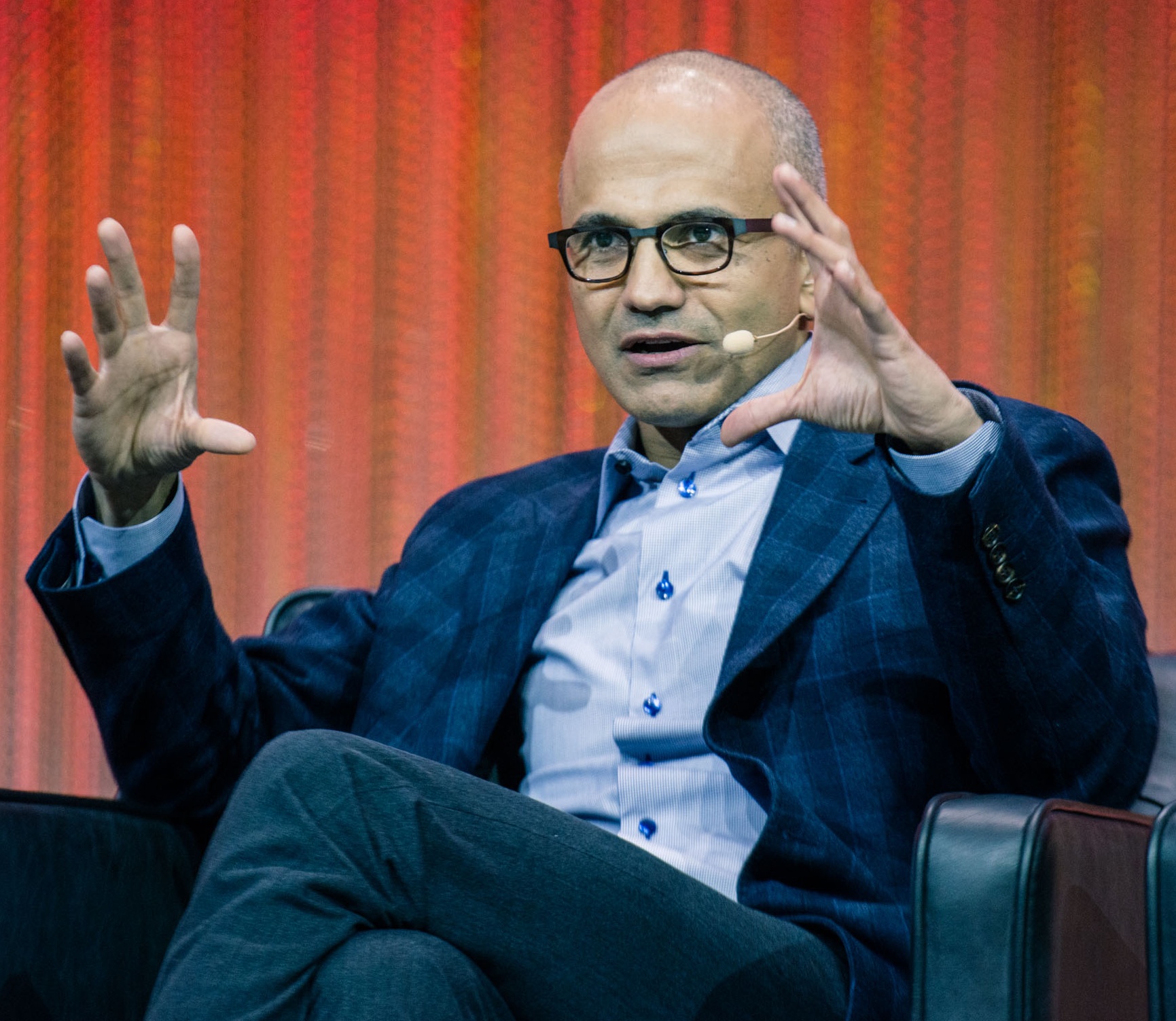
Combined with MDASH, it delivers world-class performance at 50 percent of the cost of leading models - Satya Nadella, CEO of Microsoft
Competition in AI cybersecurity
The launch is part of a broader race among major tech companies for a foothold in the AI-powered cybersecurity market. Anthropic introduced its Mythos security model in April 2026, and OpenAI responded with Daybreak in May. Microsoft says its new configuration outperforms both on the CyberGym benchmark, which measures how well AI systems can analyze large codebases for vulnerabilities.
The rivalry is gaining weight amid a growing number of attacks in which artificial intelligence itself is used offensively to hunt for flaws and write exploits. Security companies increasingly need to defend themselves with tools of the same class attackers use, which is driving investment in specialized defensive models.
What it means for businesses
For security teams, this could mean a significant cut in response time to new vulnerabilities, from hours or days down to minutes, as Microsoft claims. For companies using Microsoft's cloud services, the cost argument may also matter: a cheaper, specialized model can handle most routine tasks without reaching for pricier general-purpose language models on every query.
Microsoft has not yet given a full timeline for rolling out Perception beyond test customers, saying it plans to gradually expand the platform with additional specialized security agents. The company notes that MAI-Cyber-1-Flash is expected to eventually handle security tasks beyond software vulnerability analysis as well.