News
Nadella Accuses Anthropic of Hypocrisy Over AI Model Distillation
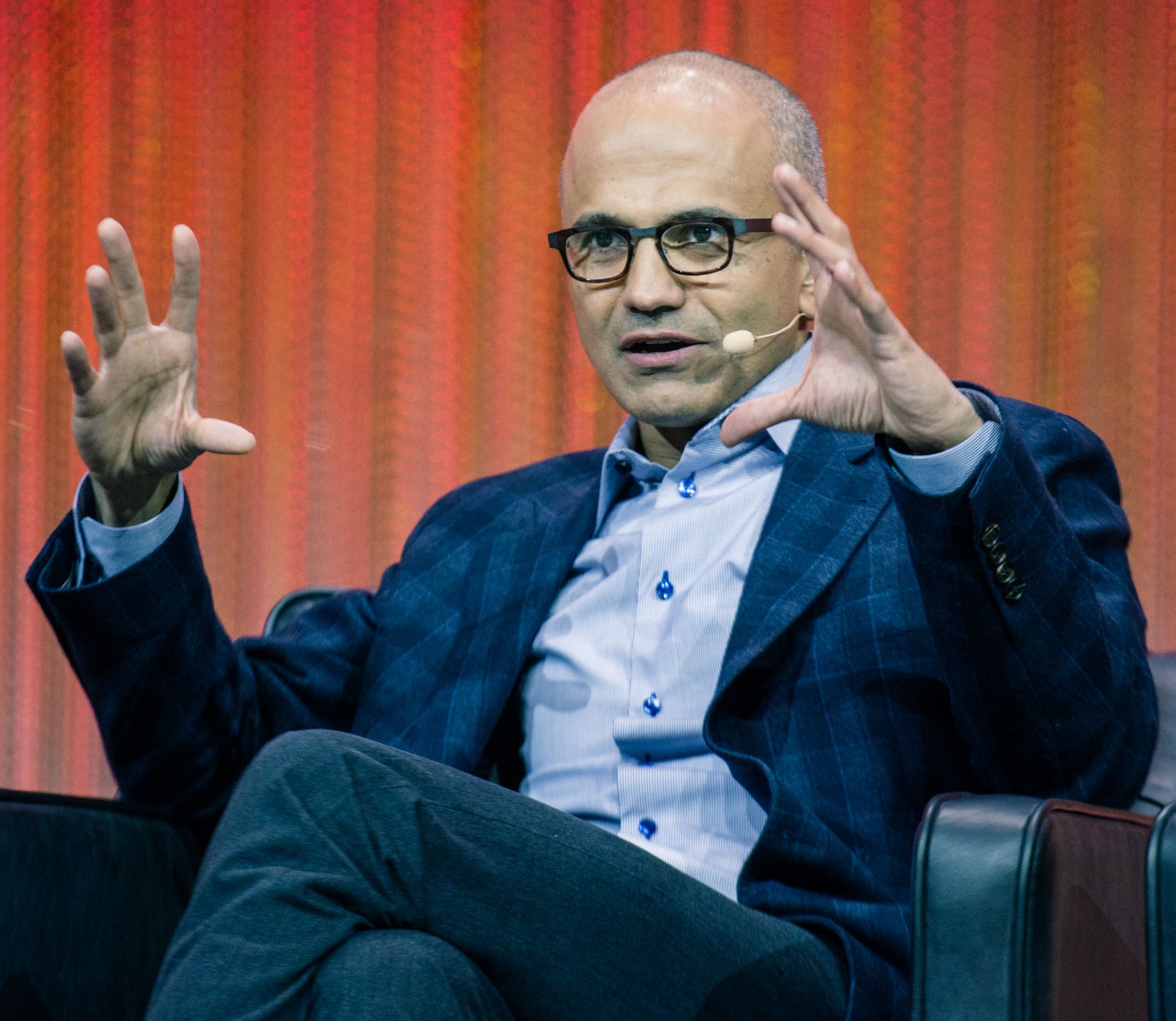
Microsoft CEO Satya Nadella accused leading AI model makers of a double standard: claiming the right to train on public data while barring others from learning from their models' outputs. The remark comes a month after Anthropic accused Alibaba of mass-scale theft of Claude's capabilities.
Contents
Satya Nadella called out AI industry leaders for a double standard. In a Sunday post on X, the Microsoft CEO wrote that companies like Anthropic demand the right to train their models on publicly available data while simultaneously imposing restrictive conditions on distillation, the practice of training weaker models on the outputs of stronger ones.
Nadella did not name any company directly, but the context left little doubt. Weeks earlier, Anthropic CEO Dario Amodei had warned that Chinese model makers were ripping off his company, using Claude to train their own systems far more cheaply and quickly than independent development would require.
The Distillation Dispute
Model distillation is a technique in which a weaker, cheaper model learns to mimic the outputs of a stronger, expensive model by using those outputs as training data. For companies like Anthropic or OpenAI, which pour billions of dollars into training flagship models, it offers a loophole that lets competitors replicate the results of that work at a fraction of the cost.
In June, Anthropic wrote to U.S. senators Tim Scott and Elizabeth Warren that entities linked to Alibaba had run a campaign against its models involving 28.8 million exchanges using thousands of fake accounts. The company called it the "largest known distillation attack" it had recorded to date, and said it allowed Claude's capabilities to be copied in a fraction of the time and cost that developing such a model independently would require.
While the great innovation that comes from model makers' right to train on public data is needed, I find it ironic that the status quo has those same makers then imposing restrictive terms on distillation - Satya Nadella, CEO of Microsoft
Who Benefits
Nadella's argument carries strategic weight. Microsoft, as the provider of Azure cloud infrastructure and an OpenAI partner, but also increasingly a builder of its own models, stands to gain from weakening the negotiating position of rivals like Anthropic. Nadella argues that companies relying solely on external model providers are effectively handing over their data while also paying for access to it.
In the same post, Nadella advised enterprises to build independent AI infrastructure, create their own evaluation frameworks, deploy continuous internal learning systems, and maintain strict boundaries around institutional data protection. That advice aligns neatly with Microsoft's commercial interest in getting customers to rely less on the closed models of outside labs.
Not the First to Raise the Issue
Nadella's comment joins a broader debate that Elon Musk had already weighed in on. In February, he wrote on X that Anthropic "is guilty of training data theft at a massive scale," referencing earlier lawsuits and settlements in which AI companies paid damages for using copyrighted content without permission.
Anthropic did not immediately comment on Nadella's remarks when asked by Business Insider. The company has consistently maintained that its models are being ripped off by competitors faster than it was able to develop them itself, and that this is precisely what justifies restrictive licensing terms against distillation by rivals.
What It Means for the Market
The dispute shows how fragile the rules of the game around training data have become in the AI industry. Companies demand the freedom to use others' work under the banner of fair use, but treat their own models' outputs as protected property when competitors make use of them. For enterprise customers, including Polish companies deploying language models in their products, this means growing uncertainty about the terms under which they will be able to use the output of providers like Anthropic, OpenAI, or Google in the future.
There could also be a practical cost impact. If distillation disputes intensify, model providers may further restrict access to their systems' raw outputs via API, making it harder to train cheaper alternatives and indirectly keeping the price of access to top-tier models high.