News
Intel Unveils Starfire, an AI Processor Built for Space
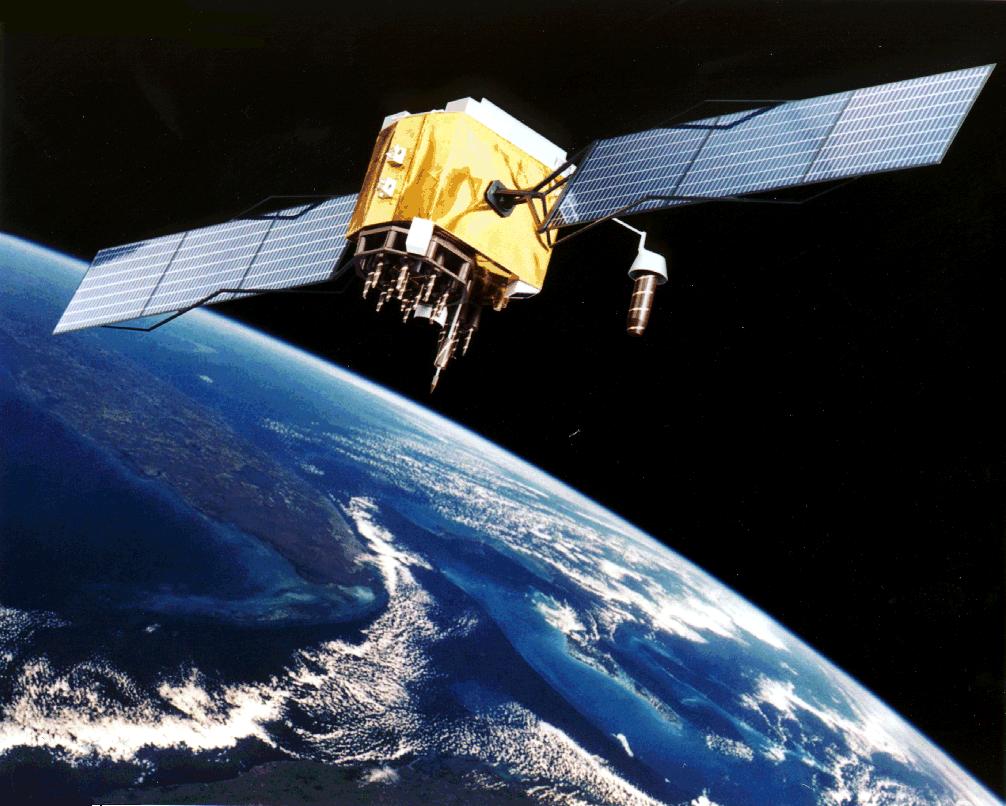
Intel has unveiled Starfire, its first processor built on the 18A process and designed for satellites and space probes, featuring a dedicated NPU that lets spacecraft analyze data without a connection to Earth.
Contents
Intel has unveiled Starfire, a processor designed from the ground up for space, not laptops or phones. The chip combines CPU cores, Xe graphics and a dedicated NPU module, allowing satellites and probes to analyze images of Earth and make decisions on their own, without waiting for commands from ground control stations.
A laptop chip reworked for space
Starfire is based on the architecture behind the Panther Lake chips that power the current generation of Core Ultra 300 series laptops. Intel lowered the core clock speeds, cut power consumption and widened the allowable operating temperature range so the chip can survive orbit and deep space conditions. In the Performance configuration, the processor has eight CPU cores, an Xe graphics unit with 64 execution units, and a three-tile NPU module built on the same 18A process.
The two available configurations differ mainly in power draw and intended use. The Low Power variant, drawing around 10 W, targets smaller satellites, where every watt from the solar panels counts. The Performance variant, drawing up to 35 W, is meant for more demanding missions such as Mars probes or deep-space craft, where raw compute power matters more than energy savings alone.
Why satellites need AI
The key element of the chip is its NPU module, built as a separate tile within the Foveros package. It is meant to let spacecraft recognize objects in images of Earth, detect anomalies, or classify scientific data on board, instead of transmitting raw terabytes back to Earth for analysis. That is a major constraint in space missions, where the link to ground stations can be narrow, delayed by minutes in the case of Mars, or available only for a few minutes a day.
Autonomous on-board analysis also means a satellite can decide for itself which data is worth sending to Earth as a priority and which can wait. For Earth observation missions, such as monitoring wildfires, floods or crop changes, fast on-board image classification lets authorities be warned much faster than under the previous model, where data first had to reach a ground-based processing center.
Radiation and extreme temperatures
Conditions beyond Earth's atmosphere are far more demanding on electronics than the inside of a laptop. Starfire had to pass TID, SEL and SEE tests, the standard procedures for checking resistance to cosmic radiation, which in ordinary chips can cause computational errors or permanently damage transistors. The stated operating range of -55 to 125 degrees Celsius is meant to let the chip survive both Earth's shadow and direct sunlight exposure without an atmospheric shield.
Intel is also promising a lifespan of more than ten years for the chip, which for space hardware is close to a hard requirement. Probes and satellites are difficult to repair or replace once launched, so component makers must design them with a large reliability margin, unlike consumer electronics, where a product lifecycle of just a few years is the norm.
Space as a new AI battleground
Starfire fits into a broader trend of moving compute power off Earth. Nvidia is developing its own Space Computing platform with Vera Rubin and IGX Thor modules for orbital data centers, and the startup Starcloud, which it backs, has already launched satellites with Nvidia GPUs that train and query language models in orbit. Separately, SpaceX has announced its Terafab initiative, aiming to build terawatt-scale compute in space using Starship rockets.
Intel's approach, however, differs from the orbital data center concept. Starfire is not meant to power a server room in orbit, but to act as the built-in brain of a single satellite or probe, close to its sensors and cameras. That is a more niche but proven market segment, historically dominated by specialized radiation-hardened chips produced in small batches and sold mainly to space agencies and defense contractors.
What comes next
Intel says the first Starfire samples will reach interested companies and institutions in the third quarter of 2026, and the specifications given may still change before full production rollout. The company has not yet disclosed specific customers or the value of any contracts, but entering the space electronics segment puts Intel in direct competition with Nvidia and smaller specialized makers of radiation-hardened chips, at a time when the number of satellite missions and orbital AI projects keeps growing year over year.