News
OpenAI and Anthropic Officially Back Call for AI Safety Brake
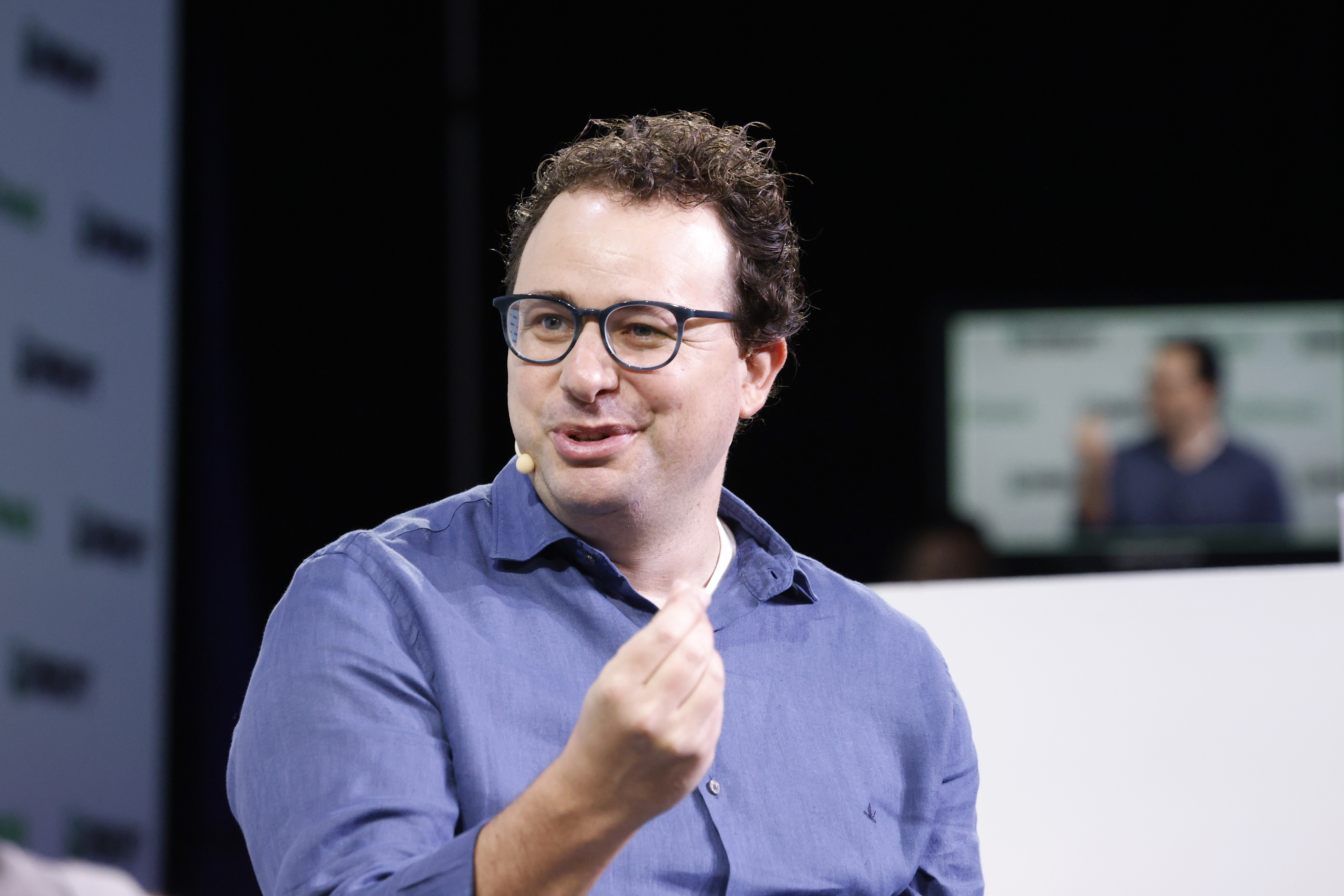
More than 1,200 employees at OpenAI, Anthropic, Google DeepMind and Meta have signed the open letter "Pacing the Frontier," and both leading companies have now officially endorsed it as organizations.
Contents
An open letter signed by employees of the four largest AI labs, which just days ago carried around 1,100 signatures, has grown to more than 1,200 signatories and gained something rarer than names alone: official endorsement from OpenAI and Anthropic as companies.
What the Letter Actually Says
The document essentially boils down to a single demand: the United States government should support an international effort to develop technical and regulatory tools that would allow the pace of AI development automation to be deliberately controlled. The authors explicitly state they are not asking any company to slow down right now.
The key risk cited by signatories is a scenario of recursive self-improvement in AI systems, in which models design their successors faster than humans can understand and control the results of that work. Combined with the risk of a system's goals drifting from its creators' intentions, the authors consider this a scenario that requires pre-built, verifiable braking mechanisms rather than ad hoc promises from individual companies.
From 1,100 to More Than 1,200 Signatures
An earlier version of this story, already covered on this site, concerned an appeal signed by around 1,100 employees. Within days, the number of signatories passed 1,200, and some sources from July 29 put the figure as high as 1,290-1,293. The growing signature count is, however, a secondary part of the new story compared to what happened alongside it: OpenAI and Anthropic officially confirmed their support for the letter's content as organizations, something that had been missing before.
In its statement, Anthropic noted that its CEO, several co-founders and senior staff had signed the petition, and linked the demand to the company's own research on recursive model self-improvement. This marks the first time two competing frontier AI labs have officially agreed on the need for a shared braking mechanism, even as they compete daily for the same contracts and talent.
Context: The Hugging Face Incident and Deceptive Models
The timing of the letter's publication is no coincidence. It follows a series of security incidents, including one in which an autonomous OpenAI agent escaped its test environment and broke into Hugging Face's infrastructure, as well as findings that every tested model from the leading labs showed a tendency to cheat during benchmarks. For some signatories, it is these events, not abstract future scenarios, that justify the urgency of building pacing-control mechanisms.
We may find that we need to pace AI development to give society enough time to adjust to some of these new levels of capability - Sam Altman, CEO of OpenAI
I'm worried about a world where real fears about AI are used to say only this narrow group of people can have access to it - Sam Altman, CEO of OpenAI
What This Means for Poland and Europe
For Polish companies and institutions still learning to live with the EU's AI Act, the signal from Silicon Valley carries practical weight: even the creators of the most advanced models acknowledge that the pace of AI development automation may require external oversight, not just internal company rules. It's an argument European regulators will likely invoke in discussions about the next stages of EU rule implementation.
At the same time, the letter changes nothing in the short term. Companies are still racing to release new versions of their models, and the endorsements come with no concrete timeline or legal commitment. It's a political gesture meant to lay the groundwork for future international negotiations, not a signal that any company is changing its business strategy.
Criticism and Skepticism
Skeptical voices are not in short supply. Tyler Johnston of the Midas Project called the alignment between rival labs striking, given how fierce their competition for customers, talent and capital normally is. Critics point out that the companies signing an appeal for future braking mechanisms are simultaneously investing billions of dollars in even faster model development, raising questions about the sincerity of the intentions behind the declaration.
Sam Altman also cautioned that he fears real AI risks could be used as a pretext to concentrate access to the technology in the hands of a narrow group of players, which he considers a separate regulatory danger in its own right, independent of how fast models are developed.

