News
Pentagon Accelerates AI-Driven Weapons Push

The US Department of War is rolling out its AI Acceleration Strategy, aiming to turn the American military into an AI-first force with priority given to combat agents, drones, and the integration of Gemini and Grok into military networks.
Contents
US Secretary of War Pete Hegseth has unveiled details of a strategy meant to shift the American armed forces onto an artificial-intelligence footing within a few years. The AI Acceleration Strategy calls for abandoning years-long weapons testing cycles in favor of deploying new tools at a pace closer to that of the private sector, and its symbolic unveiling took place at SpaceX's facility in Brownsville, Texas, with Elon Musk standing alongside Hegseth.
What the Pentagon Announced
The document, published earlier this year and presented more broadly in January, describes the Department of War's shift toward what it calls an AI-first organization. Instead of multi-year procurement and testing procedures, the department plans to roll out new models and tools on monthly cycles, with the eventual goal of integrating new AI models into military systems within 30 days of their market release.
The strategy rests on seven flagship projects known as Pace-Setting Projects. They include Swarm Forge, focused on autonomous system swarms; Agent Network, which supports battlefield management; Ender's Foundry; Open Arsenal; Project Grant; Enterprise Agents; and GenAI.mil, a platform giving soldiers and officials access to generative AI.
Grok, Gemini and a Shadow of Controversy
The most widely discussed element of the program is the integration of commercial models into military networks. GenAI.mil, launched in December 2025, runs on Google's Gemini model, and in the coming weeks xAI's Grok is also set to join the Pentagon's networks, both unclassified and classified. The decision came despite earlier controversies surrounding Musk's chatbot, which some commentators took as a sign that the Department of War is prioritizing deployment speed over its previous caution toward vendors.
Alongside Google and xAI, the ecosystem will also include tools from OpenAI and Anthropic, covered by contracts worth up to $200 million each. This continues earlier Pentagon agreements with seven or eight technology companies, including Microsoft, Amazon, Oracle and Nvidia, as previously reported by outlets covering the defense market.
Speed defines victory in the AI era, and the War Department will match the velocity of America's AI industry - Emil Michael, Under Secretary of War for Research and Engineering
We will win this race by becoming an AI-first warfighting force across all domains, from the back offices of the Pentagon to the tactical edge - Pete Hegseth, US Secretary of War
Autonomous Weapons and Human Control
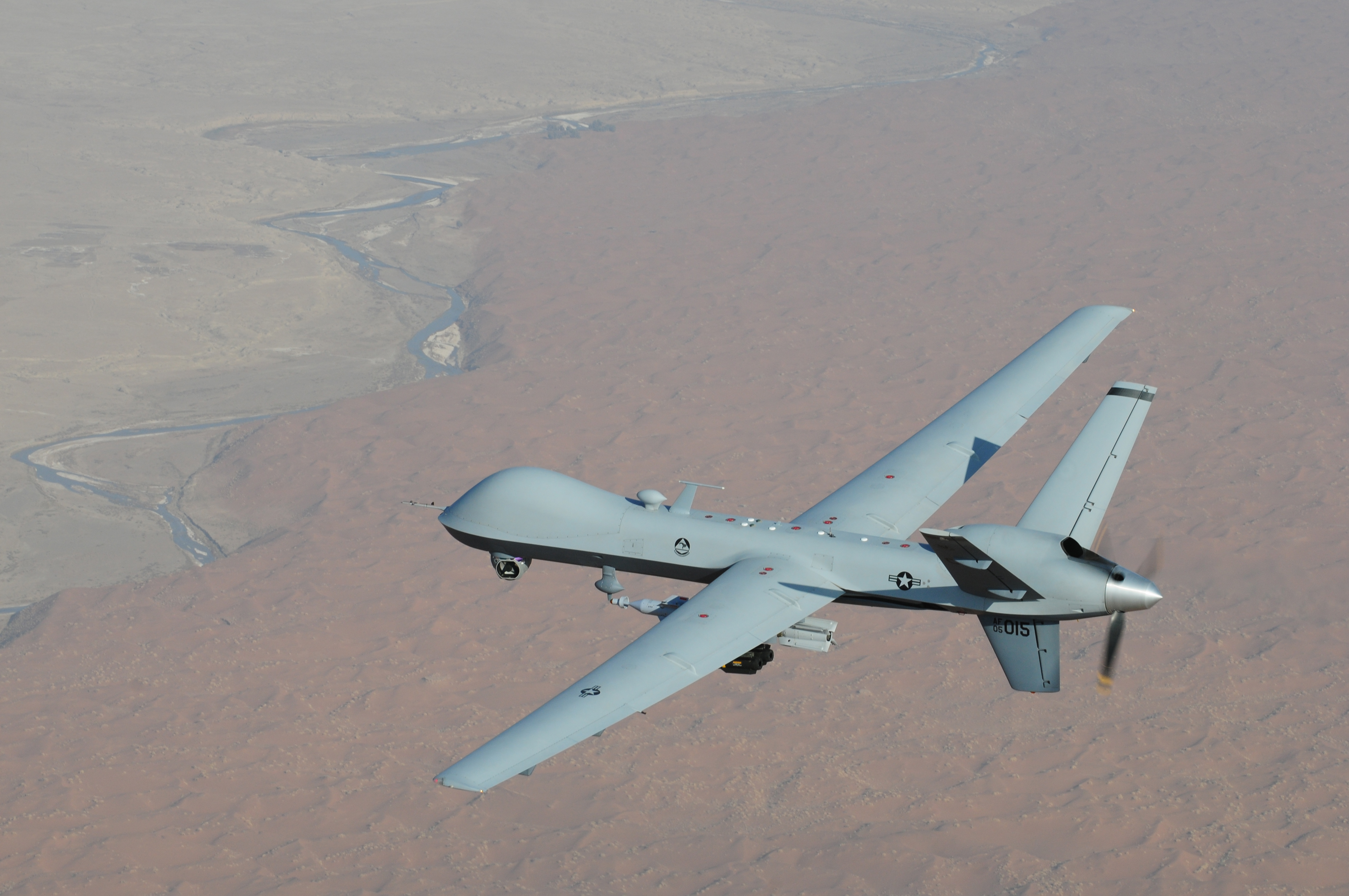
The strategy directly addresses autonomous combat systems and the automation of the so-called kill chain, the decision-making sequence running from target detection to attack. Hegseth has argued that the department's existing culture was overly cautious toward new technologies, which in his view limited soldiers' access to the best tools available. Critics of the program, including experts in the law of armed conflict, note that faster deployment is coming alongside a shrinking role for direct human oversight of decisions to use force.
The program fits into the broader plan unveiled by the Trump administration in July 2025 as America's AI Action Plan, which aims to preserve US technological superiority over China in artificial intelligence, autonomous systems, quantum computing, hypersonics and long-range drones.
What It Means for Allies and Poland
For European allies, including Poland, the acceleration of AI deployment in the American military means growing pressure toward system interoperability, shared data-exchange standards and algorithmic compatibility with the tools used by the Pentagon. Polish military experts, commenting on similar US initiatives, note that artificial intelligence is becoming a strategic resource comparable to access to energy resources, one that states will compete over the way they once competed for industrial infrastructure.
The department has also stressed its intent to break the monopoly held by traditional defense contractors and open up to technology startups, including through a recruitment program for specialists from the civilian sector known as Tech Force. Critics point out that the pace of deployment mandated by the strategy could make it harder to properly assess the safety of new tools before they are used in actual military operations.