News
Poland's Data Center Market: CBRE Sees 500 MW by 2030, Audytel Allows for Over 1 GW
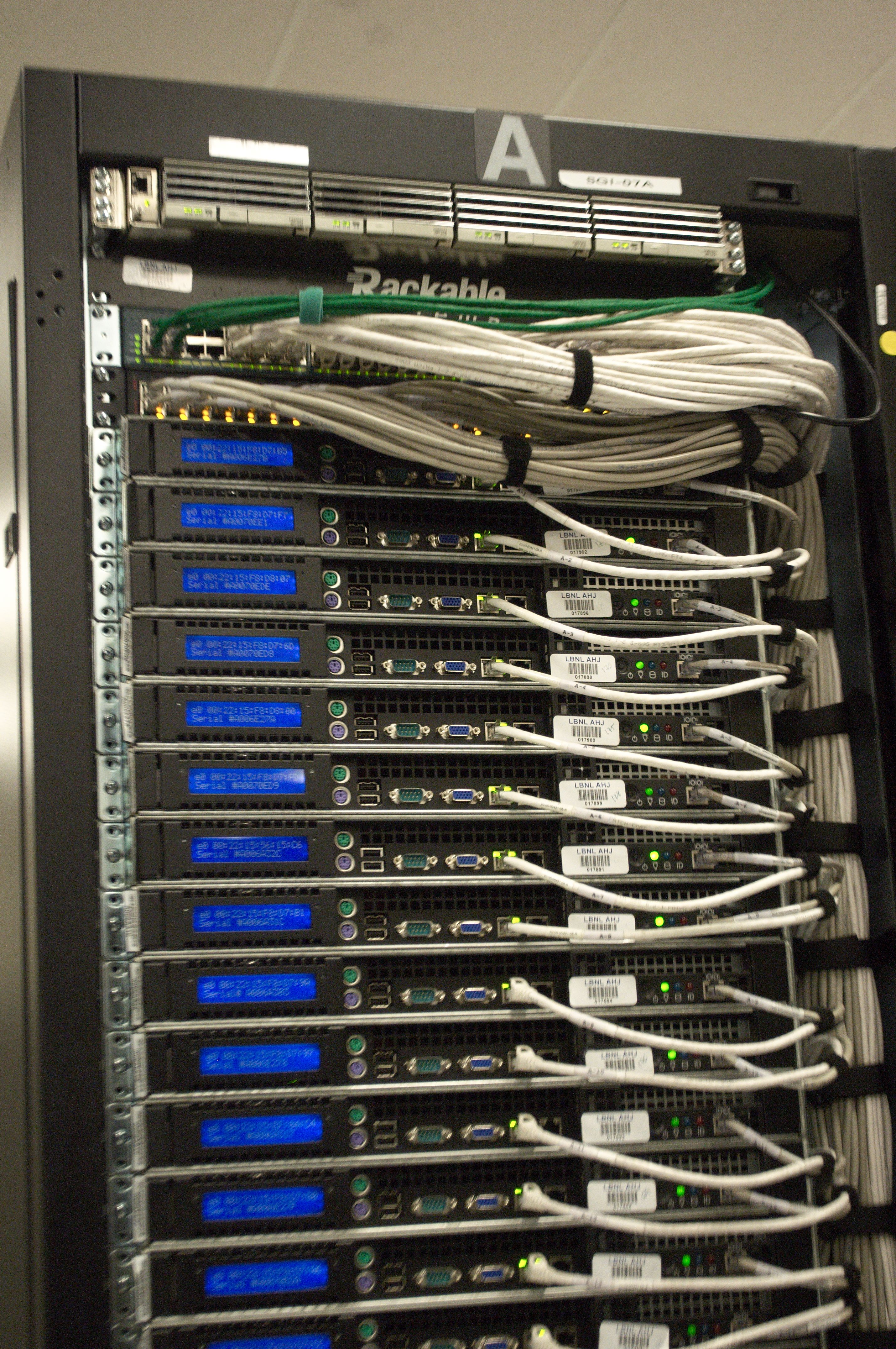
Two forecasts for Poland's data center market differ by a factor of two: CBRE estimates 500 MW in 2030, while Audytel allows for a fivefold increase to over 1 GW. The pace will depend, among other things, on access to power.
Contents
Poland's data center market will grow by anywhere from just over two times to nearly five times by 2030, depending on which forecast you believe. Computerworld sets side by side two estimates that rest on different assumptions about demand, investment timelines and the availability of power.
Two forecasts, one market
According to a roundup by Computerworld.pl, CBRE estimates that the capacity of Poland's facilities will grow from about 200 MW to 500 MW in 2030. Audytel, in conclusions from a report published in June 2026, allows for a fivefold increase from the current 200-plus MW, passing 1 GW by the end of the decade.
The source explains that the gap stems from different assumptions about demand, project schedules and power availability. Audytel presents the fivefold increase as a scenario in which the national market would exceed 1 GW. CRN previously described an optimistic scenario in which the market reaches about 1.2 GW in 2030, while EUDCA data points to capacity rising from about 250 MW to 550 MW in 2031.
Poland compared with Europe
Poland accounts for nearly one third of data center capacity in Central and Eastern Europe. The scale is still small, however: in data reported in 2025 under the EU Energy Efficiency Directive, Germany reported about 1,508 MW, the Netherlands about 1,124 MW and Poland 124 MW.
The gap between 124 MW and CBRE's estimate of about 200 MW comes down to the scope of reporting. The directive data covers only some of the operating facilities, and reporting rules differ between countries.
CBRE also notes a shift in the geography of demand. In 2025, the FLAPD markets, meaning Frankfurt, London, Amsterdam, Paris and Dublin, took in about 75% of new capacity in Europe. In the first half of 2026, for the first time, most new colocation demand went outside those hubs.
AI changes facility design
Data centers built for AI workloads need far more power per rack than traditional ones. Computerworld cites figures of 30, 50 or even over 100 kW per rack, compared with a few kW in traditional infrastructure.
Andrzej Bocheński, data center director at Polcom, points out that traditional facilities are not always ready for such uses. They need upgraded electrical infrastructure, advanced cooling and a different approach to design.
Energy as a brake
Announced capacity is not operating capacity. Between obtaining grid connection conditions and delivering capacity to customers, an operator still has to secure financing, build the facility and bring the infrastructure online.
Even passing 1 GW does not guarantee Poland a place among Europe's leaders, because Germany, the United Kingdom, France, the Netherlands and the Nordic countries are also expanding. The pace will depend, among other things, on how quickly operators get access to power and hand contracted capacity over to customers. The source lists Poland's strengths as the size of its economy, a growing digital services market and a location convenient for serving customers in the region.