News
Poland launches 500 million zloty competition for drone, missile and AI defense firms
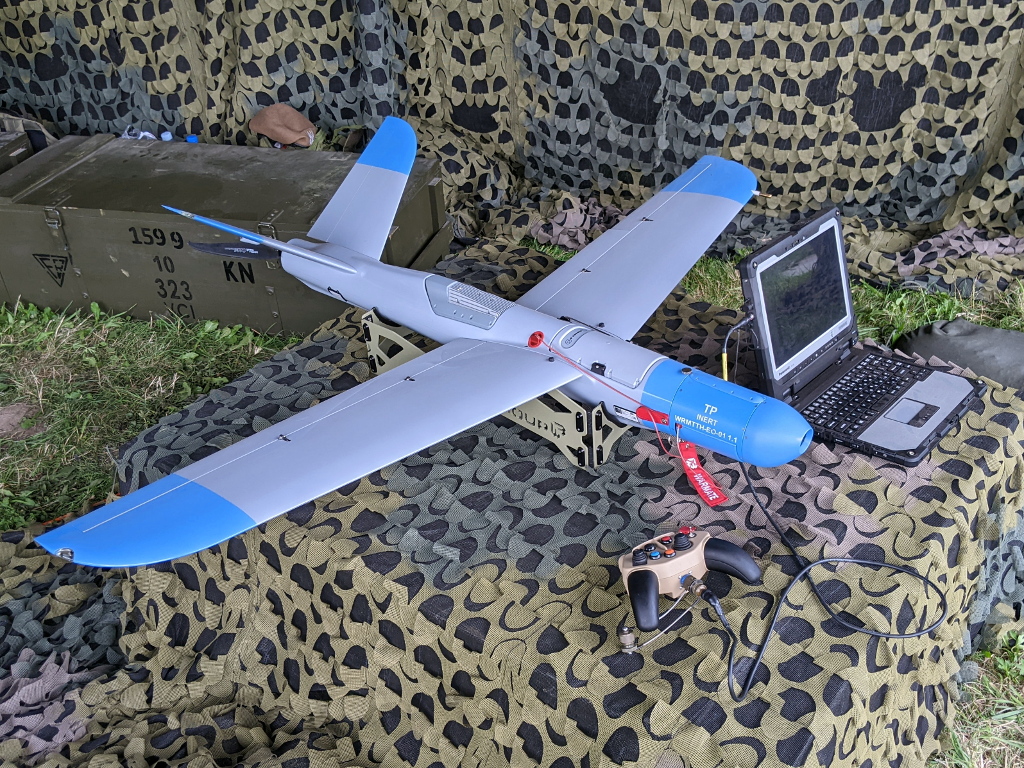
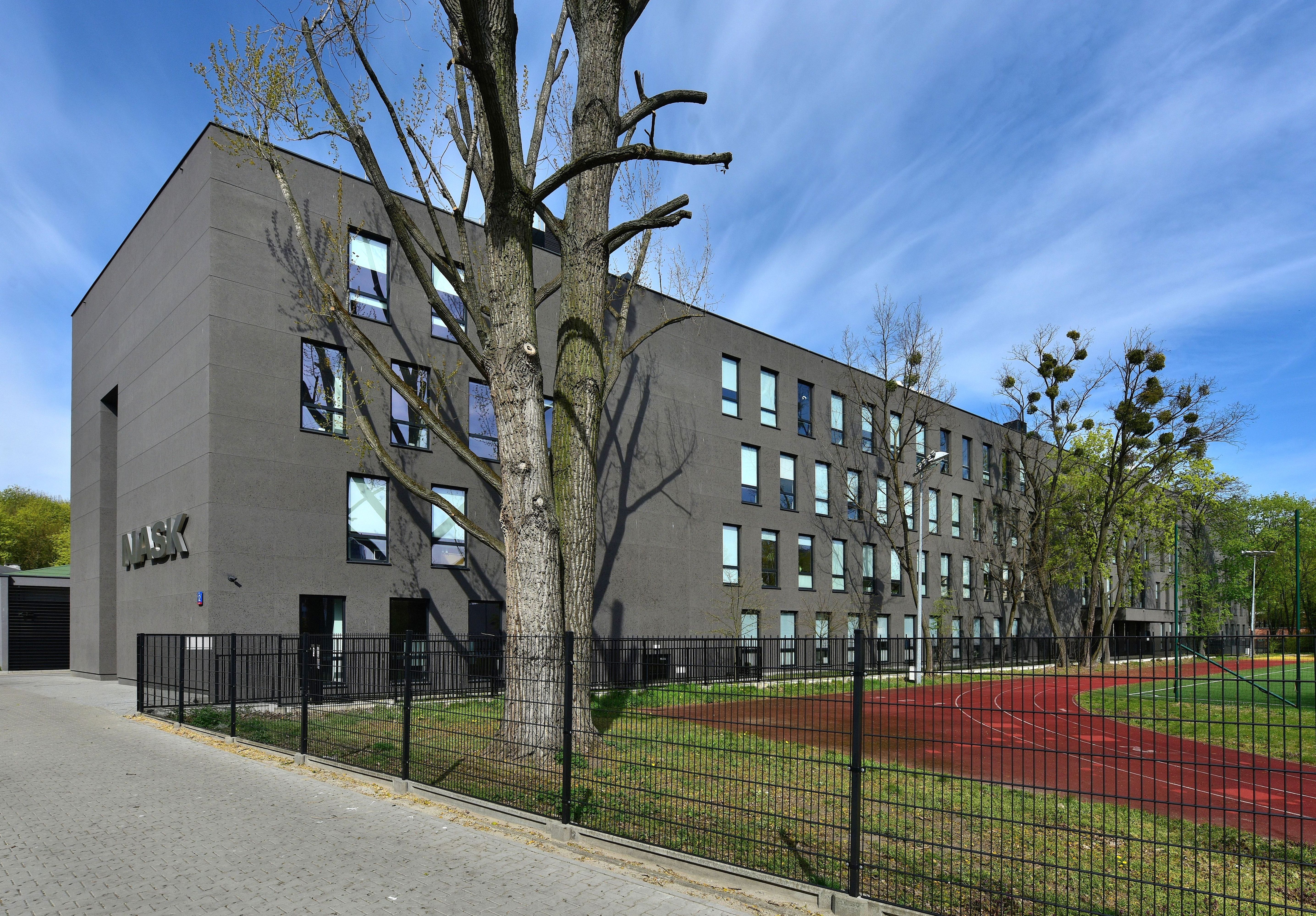
NCBR is opening two 250-million-zloty tracks under the STEP program for companies developing defense and dual-use technologies, including drone systems, missile defense and artificial intelligence. It's part of a larger, 1.46 billion zloty package of European funds for defense.
Contents
Poland's National Centre for Research and Development (NCBR) has announced the launch of the STEP-Defense competition, in which companies will compete for 500 million zloty in funding for research and development projects in defense and dual-use technologies. The priority areas, set in line with the EU's defense action plan, include drone and counter-drone systems, missile defense, missiles and ammunition, and artificial intelligence.
What the program covers
STEP-Defense is part of the broader Fundusze Europejskie dla Nowoczesnej Gospodarki (European Funds for a Modern Economy, FENG) package, which allocates a total of 1.46 billion zloty to defense and dual-use technologies. Besides the two NCBR tracks of 250 million zloty each, the package also includes 500 million zloty in a PARP investment competition, 400 million zloty for a preferential dual-use loan from Bank Gospodarstwa Krajowego (BGK), and two smaller programs, First Team Dual Use and Tech Goes Dual, worth 30 million zloty each.
The two NCBR tracks differ in purpose. The first supports breakthrough innovations with high technological potential, while the second focuses on reducing the European Union's dependence on suppliers from outside the bloc in technologies critical to defense. Both tracks take the form of grants, with funding covering up to 80 percent of eligible costs.
Technology priorities
The list of priority areas was drawn up based on the EU's defense action plan and covers eight categories: drone and counter-drone systems, air and missile defense, missiles and ammunition, cybersecurity and artificial intelligence, electronic warfare, military mobility, space technologies, and critical infrastructure protection. Artificial intelligence therefore appears not as a standalone category but as part of the broader cybersecurity priority, alongside algorithms supporting command, reconnaissance, and the autonomy of unmanned systems.
This approach reflects how European and Polish funding institutions currently view AI in a defense context, not as a product in its own right but as a technology that supports other systems, from drones to missile defense. A similar direction is already visible in other programs run by the PFR group, which in 2026 is holding calls for VC funds investing in, among other things, artificial intelligence, quantum technologies, and dual-use solutions.
Who can apply
Both small and medium-sized enterprises and large companies can apply for support, provided they meet market activity thresholds. NCBR requires at least 24 months of operation, while PARP's parallel investment competition sets a 36-month threshold. Companies from the industrial manufacturing, electronics, IT, cybersecurity, and automation sectors qualify, as long as the technology they are developing has a defense or dual-use application.
Timeline
Of the six competitions in the dual-use package, applications for the Tech Goes Dual program closed earliest, already on September 8, 2026. Next in line is First Team Dual Use, open from October 1 to November 20, 2026. The BGK dual-use loan launches on October 29, 2026 and runs until January 28, 2027. Last to start, not until November and December 2026, should be the PARP and NCBR competitions under STEP-Defense, though these dates depend on the relevant institutions approving changes to the FENG program.
For companies planning to apply, this means that despite the priorities and budgets already being announced, the applications themselves won't be open until late in the year. This is a typical gap for European funds between program communication and the actual opening of applications, one that gives businesses time to prepare their project documentation.
Significance for the Polish market
The 1.46 billion zloty package for defense and dual-use technologies is one of the largest programs of its kind launched in Poland in 2026, part of a broader trend of rising spending on military modernization and the development of the domestic defense industry, driven in part by the war in Ukraine. For technology companies, including startups developing autonomous systems, command-support algorithms, or cybersecurity solutions, it represents a new source of funding independent of traditional venture capital investment rounds.
Running alongside the grant competitions is the Fundusz Bezpieczeństwa i Obronności (Security and Defense Fund), managed by BGK and the Chrobry company, which since July 6, 2026 has offered loans and equity investments worth a combined total of around 23 billion zloty, of which 2.5 billion zloty is earmarked for business loans. This shows that Polish financial institutions treat the defense and dual-use sector as a priority extending beyond any single program or institution.