News
Plexo Capital Investor: AI Is Splitting the Magnificent Seven Into Winners and Laggards
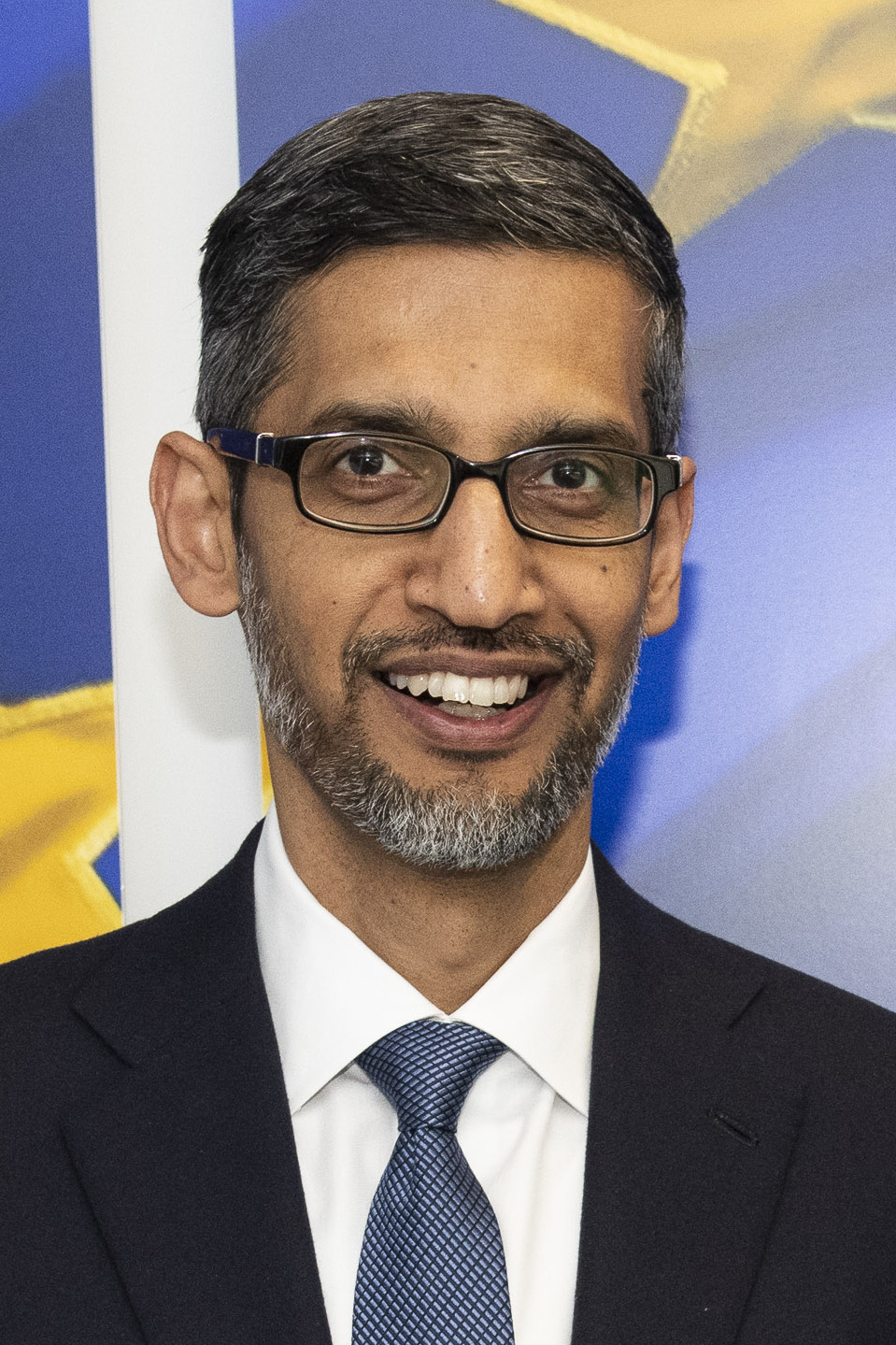
Lo Toney, founding managing partner of Plexo Capital, says AI is no longer lifting the seven largest US tech stocks in unison, but is splitting them into groups based on control over infrastructure and the ability to profit from it. He rates Alphabet as the top pick, with shares up about 42 percent over the past year.
Contents
The group of the seven largest US tech companies, known as the Magnificent Seven, is no longer reacting to the AI boom with one voice. Lo Toney, founding managing partner of venture capital firm Plexo Capital, argues that AI is splitting these companies into distinct categories of winners and laggards, depending on who controls computing infrastructure and who is actually making money from using it.
Two dividing criteria
According to Toney, what looked just a year ago like a uniform basket of stocks driven by the same AI narrative is now splitting into separate investment stories. The key questions are who owns their own computing infrastructure and chips, and who can turn AI spending into concrete, measurable revenue. Companies that control both of those factors, he says, hold an edge over those that are merely consumers of someone else's technology.
This shift in how the Magnificent Seven is viewed comes after more than a year in which investors treated the seven companies as a single collective bet on AI. Toney argues that this mindset no longer matches reality, since each company monetizes its tens of billions of dollars in annual AI investment differently.
Google tops the ranking
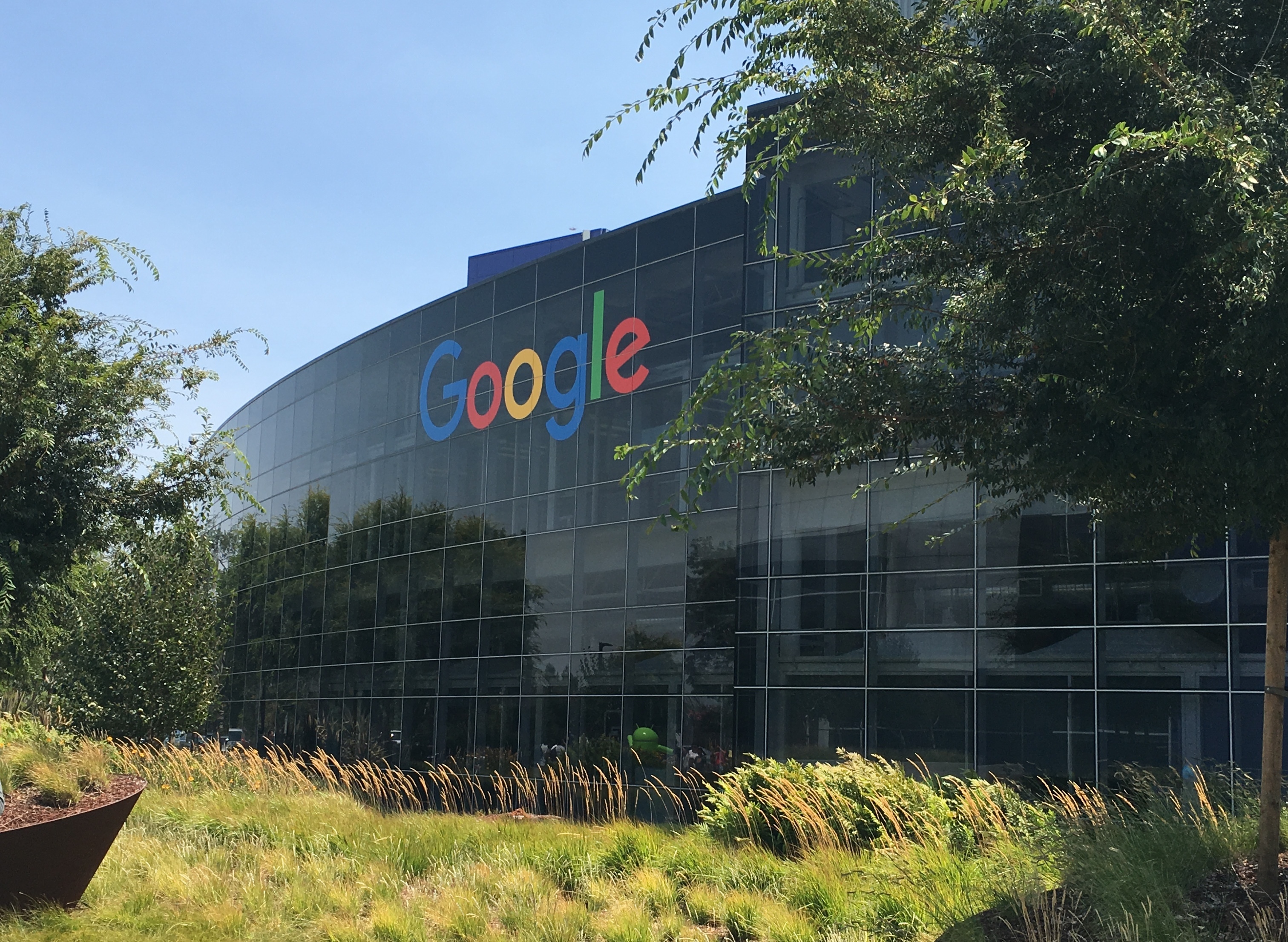
Toney names Alphabet, Google's parent company, as his preferred pick in the group. He argues that the company owns its own data centers and its own chips, while monetizing AI on multiple fronts at once: in search, on YouTube, in cloud services, and through its autonomous driving unit, Waymo.
Over the past 12 months, Alphabet shares have gained about 42 percent, and Wall Street analysts expect another roughly 25 percent upside. Toney notes that this is a notably wider spread than for the other companies in the group, which in his view makes Alphabet the most attractive position in the entire basket.
Hyperscalers, ads and physical products
Alongside Google, Toney places Microsoft and Amazon in the hyperscaler category. Both companies are building massive AI data center infrastructure, but in his assessment they still need to prove that this spending will translate into proportional profits. That sets them apart from Meta and Apple, which he treats as a separate category: AI supports their existing businesses, advertising and hardware, but doesn't function as a standalone revenue source there.
Tesla is a special case in this framework, since it converts AI investment into physical products and services, from autonomous driving to robotics. Toney notes, however, that this path carries regulatory uncertainty and an as-yet-unresolved question about profitability. Nvidia, meanwhile, occupies a distinct position as a chipmaker that profits from hardware sales regardless of whether the customers buying those chips actually recoup their own AI investments. The company finalized its roughly $12.9 billion acquisition of the Hugging Face platform on September 3, and its upcoming earnings, Toney stresses, will be a key test of the profitability of the whole ecosystem.
I think it's time to buy - Jim Cramer, CNBC
What this means for investors
Toney stresses that not all Magnificent Seven stocks will move together the way they did during previous years of the AI boom. Some of them still need to prove that billions in infrastructure spending will translate into higher profits rather than just higher operating costs. His analysis comes just days after CNBC commentator Jim Cramer urged investors to return to this group of stocks, arguing that years of AI spending are finally starting to pay off.
For Polish investors and funds with exposure to US tech stocks through ETFs or index funds, the distinction Toney proposes carries practical weight. Treating the Magnificent Seven as a single bet on AI is becoming increasingly risky as individual companies differ in how much control they have over their own infrastructure and how quickly they turn spending into revenue.
Toney's analysis fits into a broader market trend in which investors are starting to hold big tech companies more closely accountable for concrete returns on AI investment, rather than just their stated spending plans. Upcoming quarterly earnings, especially from Nvidia and the hyperscalers, will test how well the framework proposed by Plexo Capital's founder holds up against the numbers.