News
Poland Pledges €100 Million to Join Race for European AI Gigafactory
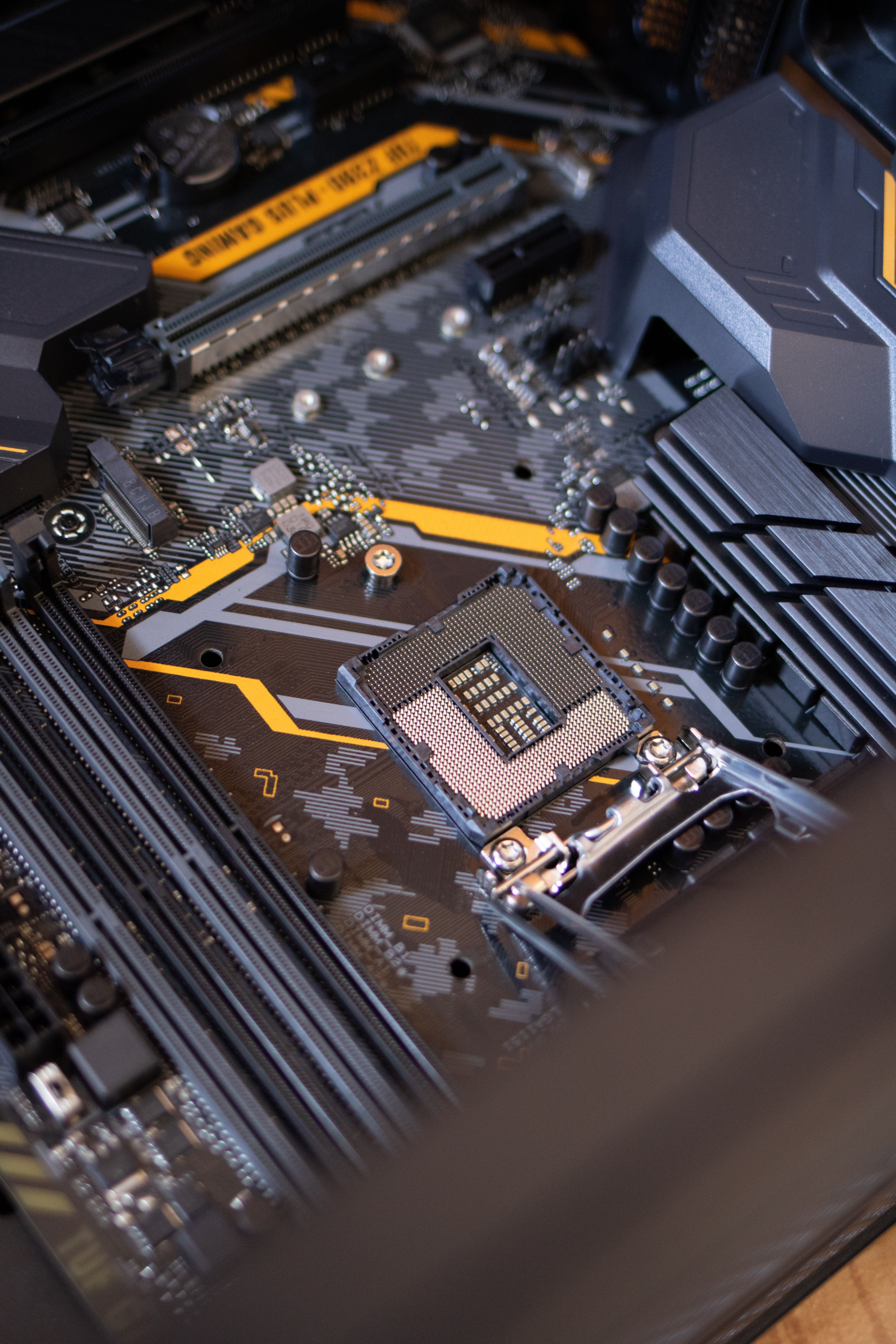
Poland's government approved a resolution paving the way for the country to join the EU's gigafactory program, committing around €100 million for the first phase. The ultimate goal is a facility with 75,000 GPUs worth up to €3 billion.
Contents
Poland's Standing Committee of the Council of Ministers approved a resolution on July 9, 2026 that formally opens the country's path to participate in the EU tender for building artificial intelligence gigafactories. The government has pledged around €100 million for the first phase of the project, earmarked for purchasing computing capacity.
How the program works
Under the EU framework, it is not member states that build the gigafactories but commercial consortia, which compete in the tender and bear the technological and business risk of the investment. States' role is limited to supporting projects and guaranteeing demand for computing capacity, mainly during the first five years of operation. Public-sector procurement is to be coordinated by EuroHPC, the joint undertaking for European supercomputing.
Poland is bidding to host a medium-scale gigafactory equipped with 75,000 GPUs. Seven such facilities are planned across the European Union, four medium-scale and three large, with the latter requiring at least 100,000 GPUs. Maximum public support for a project cannot exceed 34 percent of its value.
Poland is committing around €100 million. The next move is up to businesses - Dariusz Standerski, Deputy Minister of Digital Affairs
Why Poland wants a gigafactory
The Ministry of Digital Affairs points to the size of the Polish market, 38 million consumers, making Poland the largest market in Central and Eastern Europe. Poland had earlier considered a joint regional project called the Baltic AI GigaFactory with Lithuania, Latvia, Estonia and Czechia, proposed back in June 2025, but the current resolution concerns an independent bid to host the facility on Polish soil.
Artificial intelligence is critical infrastructure of the 21st century. Poland can and should be a regional AI hub - Aleksandra Tomaszewska, Director of the Research and Innovation Department, Ministry of Digital Affairs
Timeline and next steps
Under the adopted timeline, the EU tender for private consortia is expected to be announced after July 20, 2026 and will run for 15 weeks. Selecting the winners across the entire European Union and signing contracts with the consortia is planned for early 2027. The winning consortium will have up to 18 months from signing the contract to launch services, meaning the first Polish gigafactory could become operational at the earliest by mid-2028.
Unlike earlier, smaller support programs for so-called AI factories, gigafactories are meant to deliver computing power on a scale that allows training and deploying large language models, not just supporting local business deployments.
What it means for Polish companies
For Polish tech companies and startups building solutions based on large models, this could mean access to computing capacity closer to home, without having to rely solely on foreign cloud providers. The success of the whole undertaking still hinges on finding a private consortium willing to put up most of the estimated €3 billion and take on the commercial risk of the investment.