News
Samsung's Profit Jumps 19-Fold on AI Memory Boom
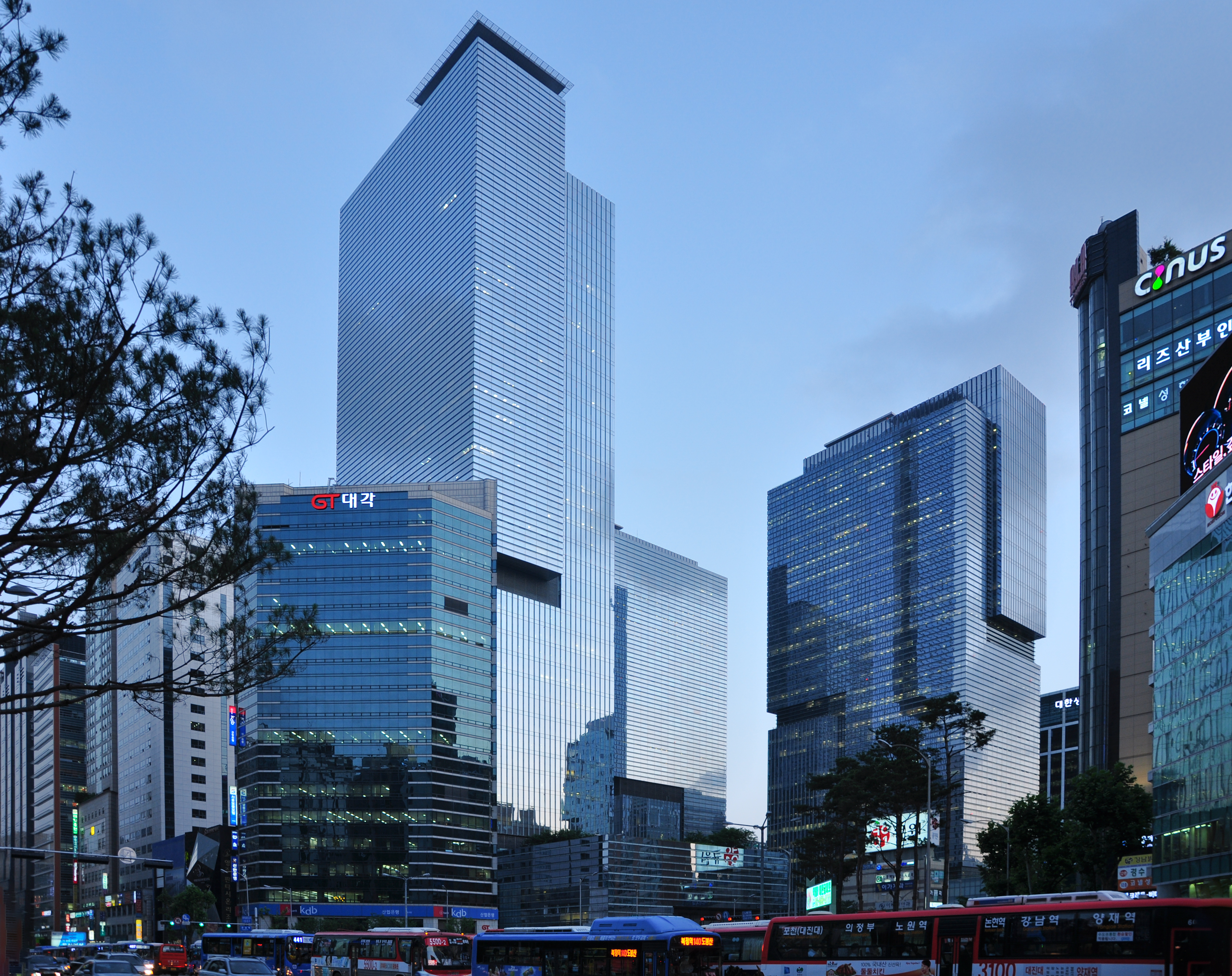
Samsung Electronics reported 89.5 trillion won in operating profit for the second quarter of 2026, up more than 1,800 percent year over year, driven by rising prices for memory used in AI data centers. Despite the record, the company's shares fell as investors worried about the cost of further fab expansion.
Contents
Samsung Electronics announced the best quarter in its history. Operating profit for the April-June 2026 period came in at 89.5 trillion won, or about $62 billion, compared with just 4.7 trillion won a year earlier. That is an increase of more than 1,800 percent, driven by a sharp rise in the price of memory used in servers that train artificial intelligence models.
Where the Numbers Come From
Nearly all of Samsung's profit surge came from its semiconductor division, which supplies working memory and high-bandwidth memory (HBM) chips for AI servers. Demand for these components is growing faster than the production capacity of the world's largest fabs, which has been pushing memory prices higher globally for months.
According to a Citi Research analysis, DRAM prices rose 44 percent quarter over quarter in the second quarter, while NAND flash prices climbed 53 percent. AI demand has already spilled over from specialized HBM chips into ordinary memory used in personal computers as well, further fueling price growth across the entire segment.
A Rival in the Same Position
SK Hynix, the world's second-largest memory maker and the main supplier of HBM chips to Nvidia, painted a similar picture. The company reported the highest revenue in its history, at 60.5 trillion won, or about $42 billion. Together, the two South Korean companies account for most of the global supply of memory used in AI data centers.
Kim Jaejune, a representative of Samsung's memory division, described the state of the market bluntly.
Demand growth is outpacing our efforts. - Kim Jaejune, Samsung Electronics memory division
Markets Unimpressed
Despite the record results, shares of both companies fell during the week. SK Hynix stock lost more than 9 percent on Wednesday, and Samsung's shares also declined even though its results beat some analysts' forecasts. The reason was not the numbers from the past quarter themselves, but uncertainty about the future.
Investors are unsettled by the massive capacity-expansion spending both companies have announced, growing competition from Chinese memory makers, and the question of how long the current pace of demand growth for AI infrastructure can hold. Morningstar analyst Jing Jie Yu noted that Samsung's revenue narrowly missed market expectations.
We believe the slight revenue miss was mainly due to more moderate DRAM price increases than expected, which likely spooked investors. - Jing Jie Yu, Morningstar analyst
What's Next for Investment
Samsung plans to begin construction of a second semiconductor fab in Taylor, Texas, later this year, aiming to start production by 2030. Together with SK Hynix, the company is also planning joint investments worth hundreds of trillions of won to expand South Korea's memory production base, a move meant to secure both companies' positions for years to come, even as it increases pressure to deliver returns on that spending.
For the Polish market, Samsung's and SK Hynix's results are another signal that computer memory prices will remain high for some time. Similar conclusions had already emerged from earlier reports of DRAM shortages pushing up prices for electronics and cars in the United States - Korean manufacturers are now confirming that the cause is global demand for AI infrastructure, not temporary supply disruptions.
The two companies' results also highlight how unevenly the AI boom's benefits are being distributed: while memory makers post record profits, parts of the tech industry are warning of an investment bubble and asking who will ultimately foot the bill for this infrastructure.

