News
SAP Shares Near Yearly Low Ahead of Key AI Earnings Report
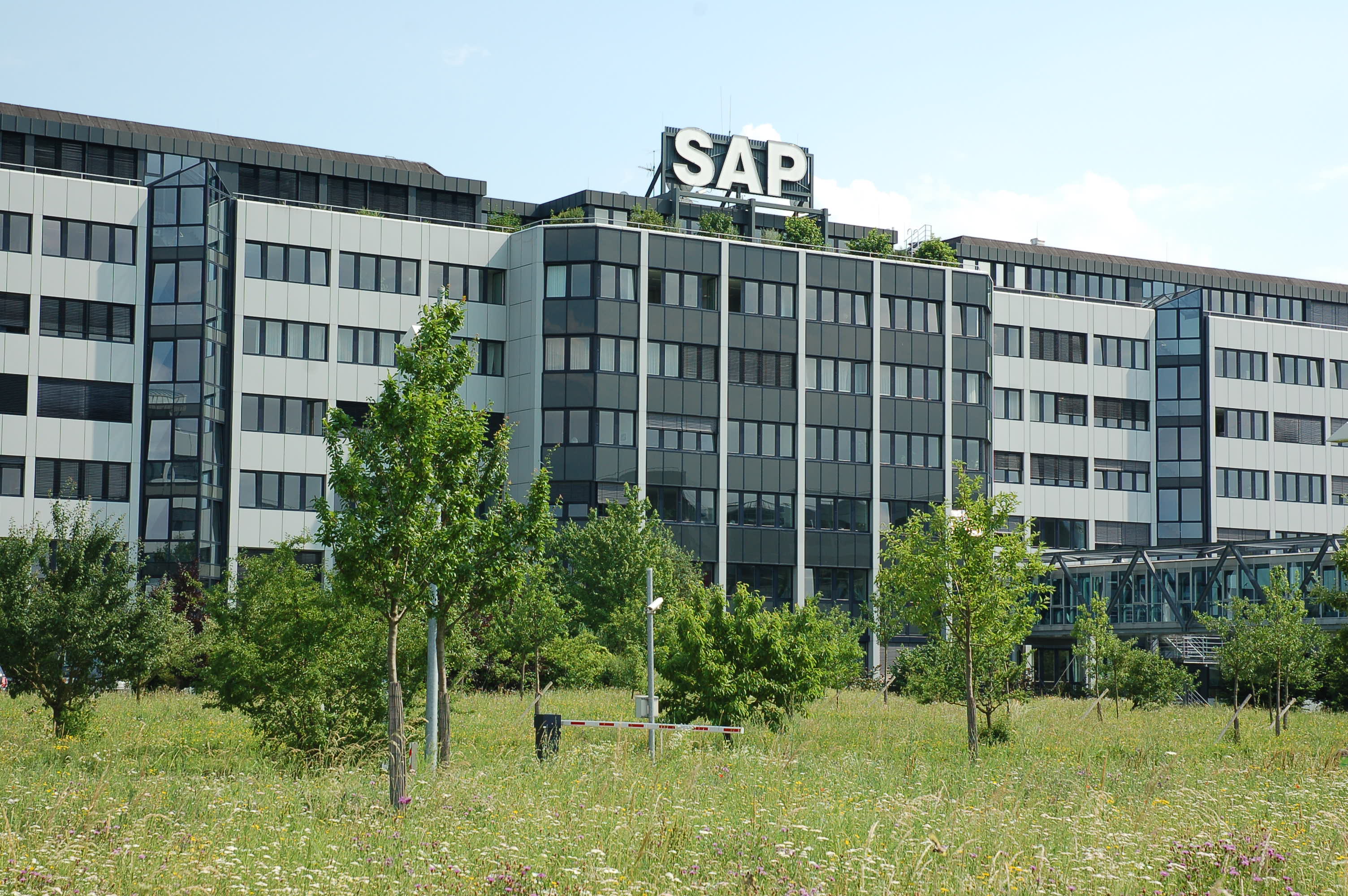
SAP's stock has fallen more than 37 percent since the start of the year as investors question whether artificial intelligence will undermine the software giant's business model. The company reports second-quarter earnings tonight.
Contents
SAP shares closed Wednesday's session at 130.78 euros, just a few dozen cents above their 52-week low. Since the start of 2026, the German software giant's stock has lost more than 37 percent of its value, and over the past seven days the decline has accelerated to 7.3 percent. Tonight, after US markets close, the company will report second-quarter results - investors want to know whether artificial intelligence is an opportunity or a threat for SAP.
A Year Under Pressure
The drop is not a one-off event but the result of months of mounting pressure. On a yearly basis, SAP shares have lost about 47 percent of their value, and the stock is hovering near its 52-week low of 129.92 euros. The company's RSI stands at 37.5, in oversold territory, which some analysts read as a sign the market may have already overdone the pessimism.
SAP's selloff is part of a broader downturn among software companies in Europe and the United States. For months, investors have been asking whether the growth of artificial intelligence will actually benefit traditional software firms or instead become another source of cost and risk for them. The concerns center on the so-called SaaS apocalypse - a scenario in which AI agents begin independently building and replicating software modules, driving down the price of services and billable hours for implementation consultants.
A Billion-Euro Bet
SAP is responding to these doubts with a series of acquisitions and cost cuts. On July 20, the company closed its acquisition of Freiburg-based startup Prior Labs, committing to spend more than a billion euros over four years to integrate so-called tabular foundation models - a type of artificial intelligence tuned to the structured business data that flows through ERP-class systems. The centerpiece of the deal is the TabPFN-2.6 model.
Earlier, on July 6, SAP also closed its acquisition of Dremio, a specialist in so-called data fabric technology. The deal is meant to strengthen SAP's agentic AI offering, letting customers combine data scattered across different systems in real time. At the same time, the company has for the second time this year paused new hiring and cut business travel unrelated to AI, redirecting the savings into AI development.
I'm not sure whether in two or three years anyone here will still be writing code - Christian Klein, CEO of SAP
What the Numbers Will Show
Analysts expect SAP to report cloud revenue of around 6.255 billion euros and group revenue of about 9.85 billion euros, with adjusted earnings per share of 1.75 euros. The market is watching two metrics most closely: the current cloud backlog, a predictor of future subscription revenue, and the operating margin. In the first quarter, the backlog grew 20 percent to 21.9 billion euros, and the operating margin reached 30 percent, the highest in 13 quarters.
For all of 2026, management is maintaining its forecast for cloud revenue of 25.8-26.2 billion euros, implying growth of 23-25 percent at constant currencies, compared with 25 percent backlog growth in 2025. The company itself has signaled that a result close to 25 percent backlog growth could disappoint the market, showing just how high expectations have been set.
What It Means for Polish Companies
SAP is one of the most widely used ERP systems among Polish businesses, from manufacturing to retail, so the direction in which the company reshapes its licensing model matters directly to local customers. SAP is already rolling out a new pricing model based on so-called AI units, which in practice means billing artificial intelligence features separately from existing license and subscription fees.
If investors' concerns are confirmed and cloud revenue growth actually slows, corporate customers could gain more leverage in negotiating implementation contracts. On the other hand, SAP's accelerating investment in agentic AI, visible in the Prior Labs and Dremio acquisitions, could mean a faster stream of new analytics and automation features reaching Polish deployments.
The market remains sharply divided. Among the 18 analysts covering the stock, 14 recommend buying, three recommend holding, and one recommends selling, with an average price target of 199.57 euros - more than 50 percent above Wednesday's closing price. Today's quarterly report will settle the debate, offering the first full test of whether SAP's AI investments are starting to translate into financial results.