News
New York Times: Companies Are Increasingly Hiring AI-Generated Influencers
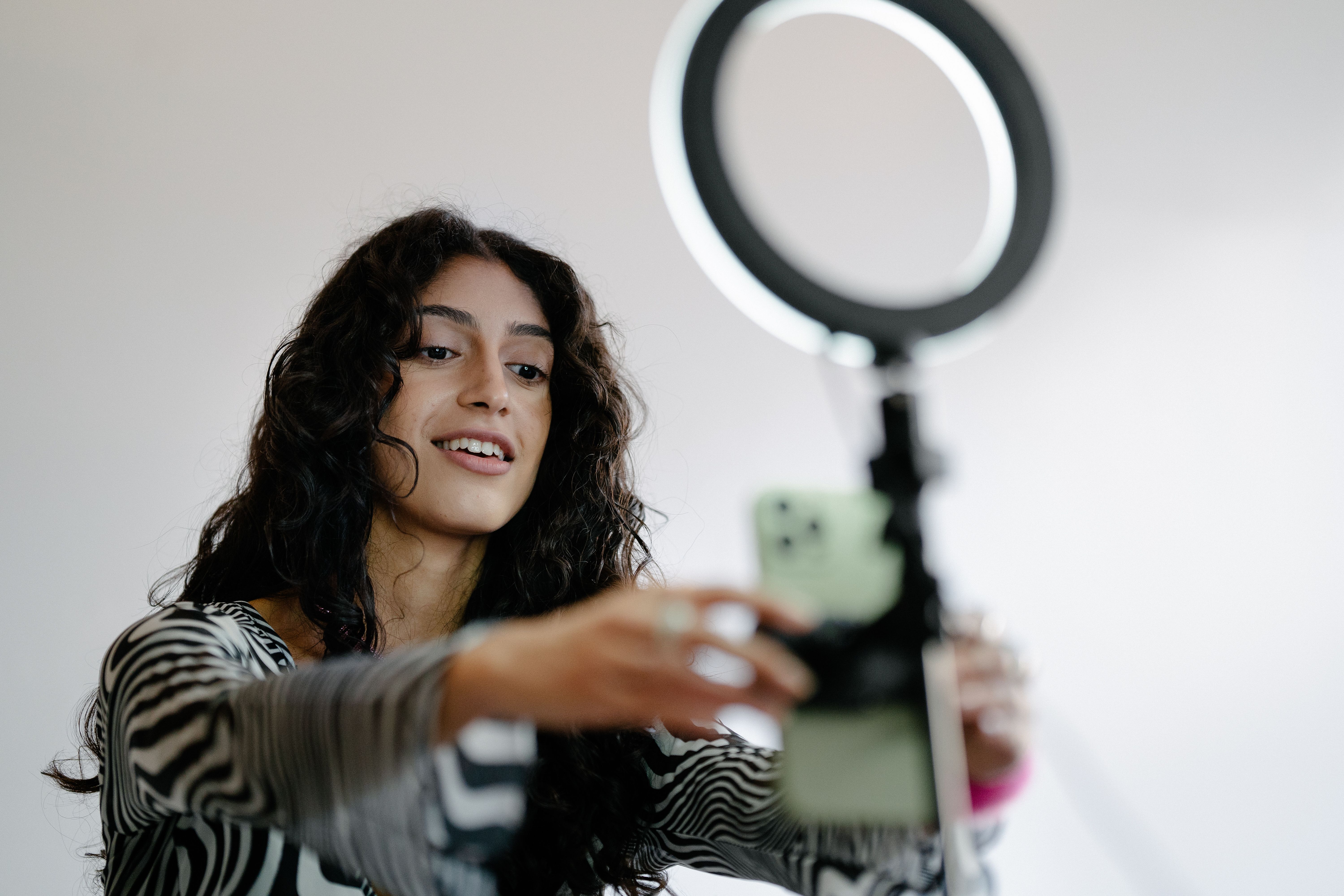
The New York Times, in a piece reprinted by Wyborcza, describes how brands are replacing human internet creators with AI avatars that are cheaper, fully controllable, and incapable of pushing back. The market is being driven by examples like virtual influencer Aitana López, who earns up to 10,000 euros a month.
Contents
More and more companies are ditching real internet creators in favor of characters generated by artificial intelligence. The New York Times, in a piece reprinted in Polish by Wyborcza.pl under the headline "Beautiful, cheap, obedient. The era of AI influencers is here," examines why brands are so eager to turn to virtual faces, and what risks come with it.
Why an avatar instead of a person
The case companies make for turning to artificial creators is simple. An AI avatar doesn't get sick, doesn't show up late to a photo shoot, doesn't negotiate its rate, and doesn't have a bad day that could damage the brand's image. It also never signs with a competing campaign, since its entire "career" belongs to the company that commissioned it.
It's this total control, not just lower costs, that draws marketing departments in. A character can be dressed in a new collection instantly, have its tone of voice changed, or be sent anywhere in the world without the logistics and travel budget a real creator would require.
How much a synthetic influencer earns
The most frequently cited commercial success story remains Aitana López, a twenty-five-year-old virtual resident of Barcelona with pink hair, generated by the advertising agency The Clueless. She has more than 121,000 followers on Instagram and earns up to 10,000 euros a month, though her average sits closer to 3,000.
Brands pay more than 1,000 euros for a single sponsored post featuring her. The agency has already created a second character, a somewhat shier persona named Maia, and says more clients are approaching it for their own personalized avatars.
We did this to earn more and not be dependent on other people who have egos - Rubén Cruz, founder of The Clueless, creator of Aitana López
Growing competition for humans
Aitana is not an isolated case. Characters like Lil Miquela, a virtual nineteen-year-old from Los Angeles with roughly 3 million followers who has worked with Prada and Calvin Klein among others, blazed a similar trail earlier. Versace has also joined the ranks of brands using virtual faces.
The scale of the phenomenon is growing alongside the broader influencer marketing market, which is forecast to exceed 70 billion dollars by 2032. An ever-larger share of that pool is going to characters that have never existed outside of tech companies' servers.
Risk of manipulation and opacity
The NYT piece notes that an avatar's obedience has a darker side. A synthetic influencer has no ethical boundaries of its own, so it can endorse products or views that no real creator would put their name to, all while building a relationship with audiences just as strong as a flesh-and-blood person's.
Critics also point to the promotion of unrealistic beauty standards among younger audiences and the frequent sexualization of virtual characters' images. Many such profiles operated for years without any clear label indicating that an algorithm, not a living person, was behind them.
In the European Union, rules requiring the labeling of AI-generated content, which took effect in August 2026, are partially changing the picture. They don't, however, cover every form of commercial collaboration with virtual creators, and enforcement of these rules on social platforms is still in its infancy.
For internet creators, this marks a new category of competition that is hard to match on price and availability. For brands, it's a tempting shortcut to full control over messaging, and for regulators, another area where the rules can't keep pace with how fast the technology is being deployed.