News
American Grocery Chain Schnucks Rolls Out AI Assistant That Tracks Customer Health
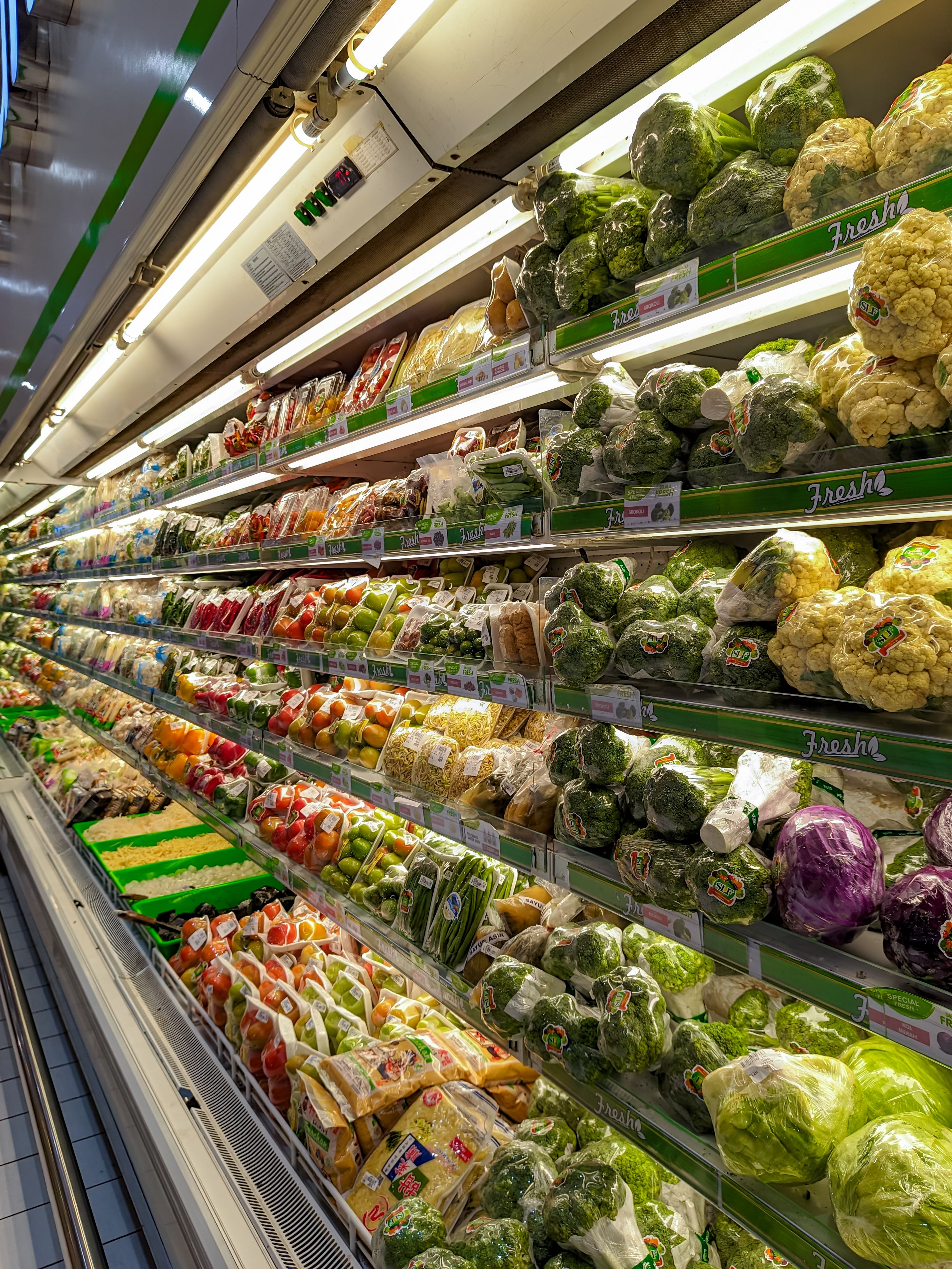
US supermarket chain Schnucks will launch an AI shopping assistant built with VitalityIP in summer 2026, designed to combine health and nutrition data with product recommendations. The platform was built for white-label resale to other retail chains.
Contents
Schnucks, the American supermarket chain operating in Missouri, Illinois, Indiana and Wisconsin, has announced the rollout of an agentic AI-powered shopping assistant. The tool, developed jointly with VitalityIP, is designed to advise customers on nutrition, plan meals and point out products suited to health goals such as weight management or healthy aging.
The assistant is meant to be more than a product search tool bolted onto the store app. According to Schnucks, the system will recognize current promotions, the layout of specific chain stores and a given customer's lifestyle to suggest ready-made meal plans, budget-conscious product bundles or wine pairings for meals. It is also meant to support people on special diets, such as those recovering from illness or families looking for balanced meals.
Data as the Foundation for Recommendations
The core of the system is VitalityIP's database, which the company describes as a combination of clinical-grade medical data and information on the ingredients of specific food products. That sets the project apart from simpler shopping lists generated by chatbots, since the assistant is meant to suggest specific items from Schnucks shelves rather than general dietary advice.
Our customers tell us they want trustworthy guidance across many aspects of their Schnucks visit - Tom Henry, Chief Data and Information Officer, Schnucks
Today, nearly 90 percent of Americans suffer from a food-related condition that VitalityIP and grocery chains can influence - Sarah Hoit, co-founder and CEO, VitalityIP
A Resale Model for Other Chains
Schnucks will be the first retailer to use the VitalityIP platform, but the company designed it from the outset for white-label deployment at other players. That means a similar assistant could appear under the banner of other retail chains, as well as in healthcare system apps, with employers running wellness programs, or in the ecosystems of makers of health-tracking bands and watches.
Schnucks isn't just introducing smarter shopping and tools for its customers' healthier lives - it's building a movement across the entire industry together with us - Michael Connor, co-founder and CTO, VitalityIP
Growing Competition in Grocery Retail
The Schnucks project fits into a broader trend among American grocery chains, which have spent several quarters investing in agentic shopping assistants. Albertsons and Kroger are testing or rolling out similar tools, and elements of AI-driven personalization are also showing up in delivery services such as Uber and DoorDash. What sets Schnucks' approach apart is the explicit link between product recommendations and health indicators, rather than just purchase history or promotions.
For the Polish market, this direction matters because domestic retail chains, including Lidl, Polomarket and Allegro, are also testing various AI applications in retail, though mainly in pricing, checkout fraud detection or content labeling. A model linking health data with shopping recommendations would require a far more cautious approach to privacy in the European Union, since health data is subject to special protection under the EU's GDPR (referred to in Poland as RODO).
VitalityIP has not yet disclosed the financial terms of its partnership with Schnucks or a timeline for potential further rollouts with other retailers. The company says only that the technology was co-developed using real data on Schnucks' inventory and customers' shopping paths, which is meant to distinguish it from solutions built solely on synthetic data.
Whether the Schnucks pilot succeeds or fails, at a chain with more than a hundred stores across four states, it could determine whether similar health assistants reach larger nationwide chains in the United States as soon as 2027. Retail industry observers say the key test will be whether customers are willing to share health data with a grocery store in exchange for more accurate recommendations.