News
Swedish AI Model Predicts Hip Fractures Years Before They Happen
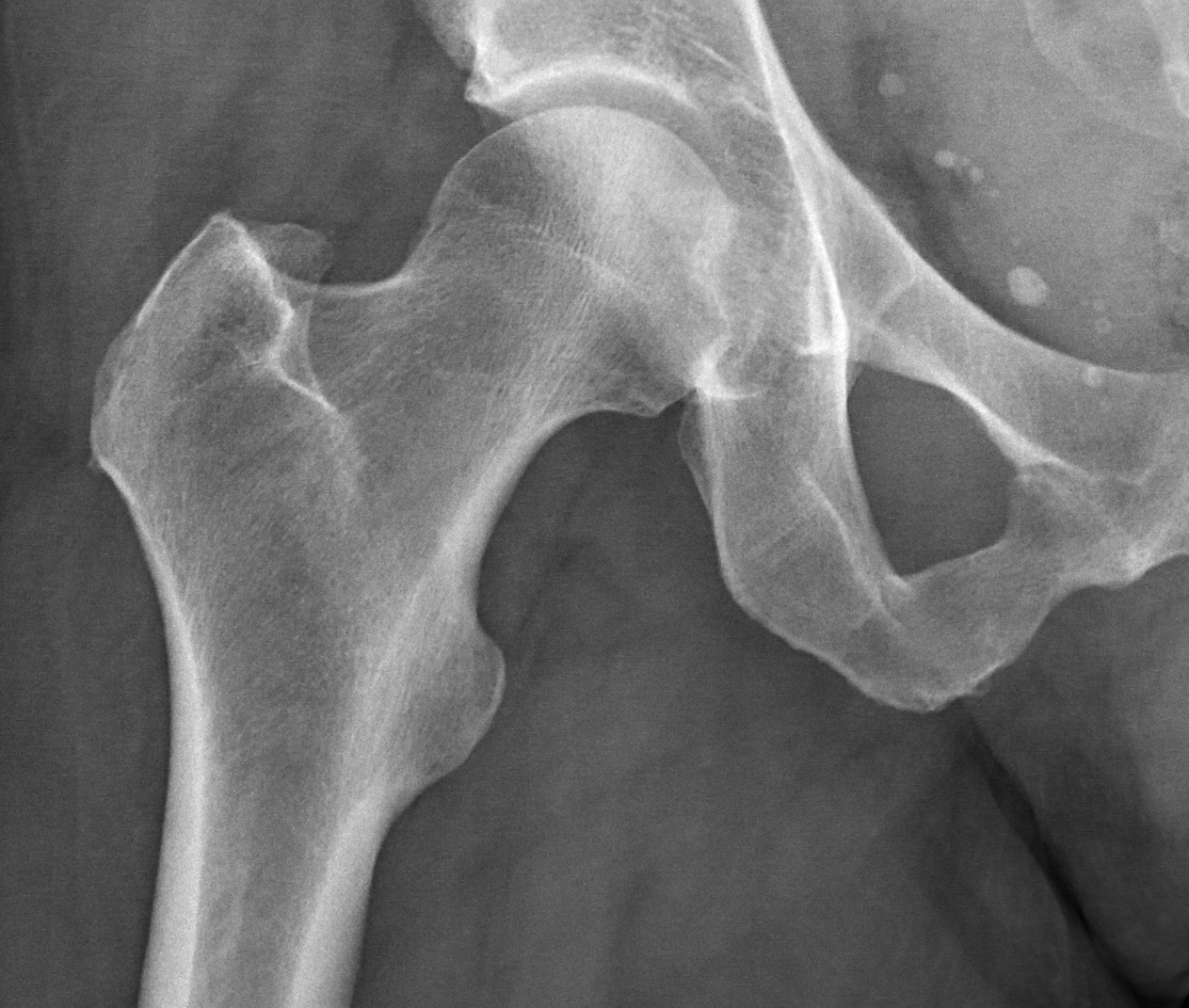
Researchers at the University of Gothenburg have developed FRACTURE-ML, a model trained on registry data from 3.5 million Swedes that identifies nearly seven times more people at risk of hip fracture than current screening methods.
A team from the Sahlgrenska Osteoporosis Centre at the University of Gothenburg has published a machine learning model in PLOS Medicine that predicts hip fracture risk in people over 50 without any examination or doctor's visit. The tool, called FRACTURE-ML, relies solely on data already collected in Swedish health registries and identifies at-risk patients far more effectively than current screening methods.
How the model works
The authors analyzed nearly 140,000 potential variables drawn from registries of diagnoses, prescriptions, medical procedures, and demographic and socioeconomic data. The study population was split into three groups: a discovery cohort of 886,362 people used to explore patterns, a development cohort of 2,302,022 participants used to train the model, and a validation cohort of 354,261 people used for independent performance assessment.
The researchers compared three approaches: classical Cox regression, the XGBoost algorithm, and the DeepSurv deep learning network. The deep learning version performed best, but a simplified version of the model using just 35 variables achieved comparable accuracy, opening the door to a simpler tool that could be deployed in clinical practice.
Why it matters
Hip fractures in older adults carry high mortality, long-term disability, and loss of independence. In the study cohort, 754,051 people died, or 21.3 percent of participants, underscoring the scale of the problem in the population under observation. Current screening methods, such as Fracture Liaison Services, typically identify patients only after a first fracture rather than before one.
We have shown that hip fracture risk can be predicted at the population level without any direct contact with the patient - Kristian Axelsson, lead author of the study, University of Gothenburg
Hip fractures often involve considerable suffering, loss of independence and increased mortality, and our model distinguishes very well between high- and low-risk individuals - Mattias Lorentzon, professor of geriatrics, University of Gothenburg
Limitations and next steps
The authors caution that the model relies solely on registry data and does not account for lifestyle factors such as smoking or alcohol consumption, which also affect fracture risk. The model has also not yet been externally validated outside Sweden, and its real-world clinical usefulness will require implementation studies that have not yet been carried out.
The researchers plan validation tests in other countries and an assessment of how early risk detection translates into concrete preventive action, such as bone density scans, fall-prevention programs, or pharmacological treatment for osteoporosis. The key question is whether earlier identification of at-risk patients actually reduces the number of fractures, rather than simply improving detection statistics.
Implications for health systems
A model based solely on data already collected in registries has a significant practical advantage: it allows entire populations to be screened without placing additional strain on the healthcare system through extra visits or diagnostic tests. This approach could interest countries with extensive medical registries, including Poland, where the Narodowy Fundusz Zdrowia (National Health Fund, Poland's public health insurer) and other institutions collect similar administrative data, though its quality and completeness differ from Sweden's population registries.
For Poland's healthcare system, which is grappling with an aging population and a growing number of osteoporotic fractures, tools of this kind could in the future support prevention planning without requiring new diagnostic infrastructure. Deploying such a solution in Poland, however, would first require validation on national data and approval to use administrative registries for predictive purposes.