News
U.S. Treasury Report Warns of Possible AI Market Bubble Burst
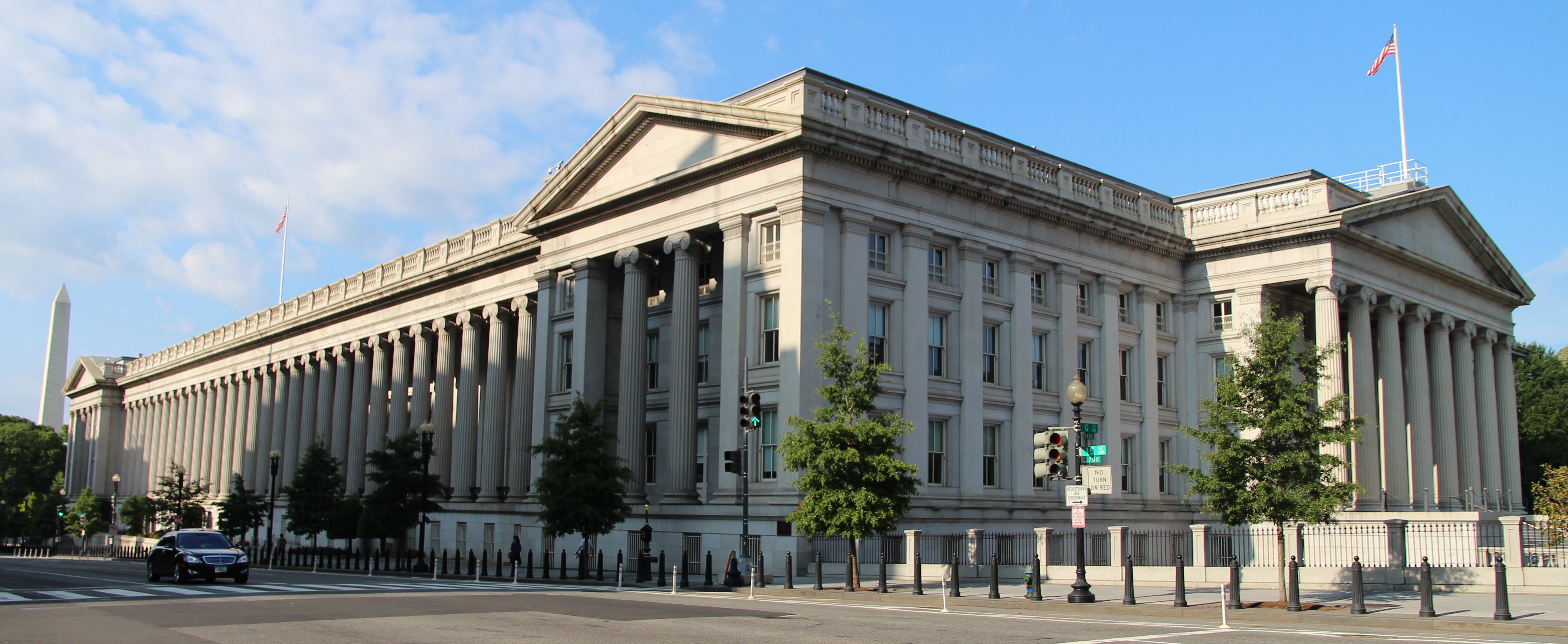
An unpublished U.S. Treasury Department report for Secretary Scott Bessent and Fed Chair Kevin Warsh warns that a collapse of the AI market could trigger shocks comparable to the dot-com bubble burst 25 years ago, hitting stock markets, credit markets, and power grids.
The U.S. Treasury Department has prepared a report warning that a collapse of the artificial intelligence market could trigger serious shockwaves across the entire American economy, comparable to the fallout from the dot-com bubble that burst a quarter-century ago. The document landed on the desks of Treasury Secretary Scott Bessent and Federal Reserve Chair Kevin Warsh, and its contents were revealed on July 6.
According to Treasury analysts, even though leading AI companies today are more mature, more profitable, and hold stronger balance sheets than internet companies did at the turn of the millennium, the sector's financial stability now hinges on whether AI investment actually translates into the productivity gains and profits that are expected. If those expectations go unmet, the fallout could spread far more widely than it did with the dot-com bubble.
Where the shockwaves could hit
The report names specific areas of the economy exposed to the fallout of a potential collapse: stock markets, the private credit market, data center construction financing, cloud service providers, chipmakers, and the energy sector. Analysts warn that a crisis scenario could mean investment cuts, a loss of investor confidence, and slower economic growth nationwide.
Among the factors cited as increasing the sector's vulnerability to shocks are the industry's concentration around a small number of large firms, heavy reliance on private financing rather than public capital, growth driven by costly infrastructure, supply chain problems, geopolitical tensions, and bottlenecks in electricity supply and transmission grid capacity.
Treasury's response
Although the document was produced inside the department, a Treasury spokesperson distanced the agency from its conclusions, calling them unverified and not representative of the institution's official views. That reaction suggests an internal disagreement over how loudly the administration should speak about the risks tied to an AI investment boom that it is itself partly supporting through policy and regulation.
The document was not formally published as an official government position, which some commentators read as an attempt to test market reaction without taking full political responsibility for the warning. At the same time, the fact that such a detailed analysis was produced at the Treasury level and reached the Fed chair shows that concerns about overheated AI investment are being taken seriously at the highest levels of the U.S. administration.
What it means for the global market
For Polish investors and tech companies tied to the global AI supply chain, the U.S. Treasury's warning signals that the risk of capital concentration around a handful of major players, cloud providers, chipmakers, and data center operators, is being recognized even by the institutions responsible for the financial stability of the world's largest economy. A potential collapse in valuations of U.S. AI companies could ripple through global capital markets, including valuations of tech companies listed in Europe.
The report does not specify a timeline or a probability for the crisis scenario, treating it as a risk analysis rather than a forecast. Still, its disclosure coincides with a growing chorus of voices warning about overheated valuations of AI-linked companies, making the topic one of the key ones for market watchers in the coming months.

