News
Trump Adviser: There Will Be No 'FDA for AI'
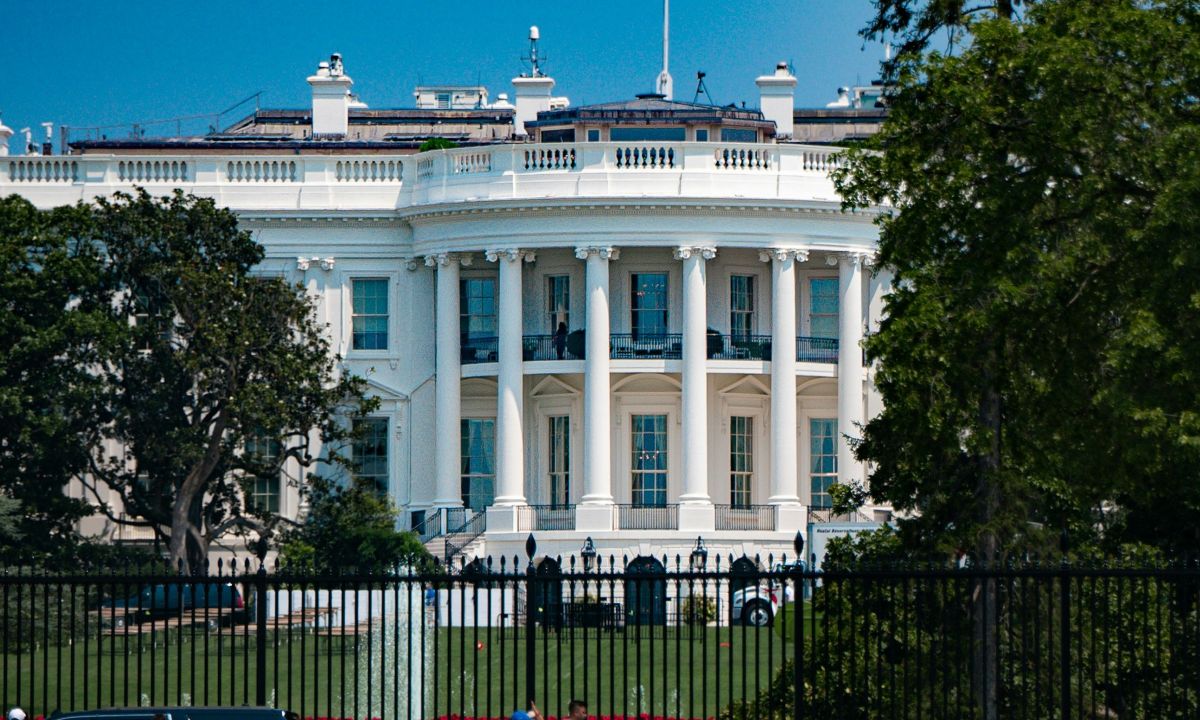
Outgoing White House AI adviser Sriram Krishnan told the Financial Times that the Trump administration will never build a central licensing agency for AI models modeled on the FDA. He blamed the tech industry itself for the public backlash against artificial intelligence.
Contents
Sriram Krishnan, until recently the White House's top adviser on artificial intelligence, told the Financial Times bluntly that the US government has no plans to build an equivalent of the Food and Drug Administration for AI models. In his view, such a body would force companies to run every model release past teams of lawyers, slowing down the entire sector.
There will be no FDA for AI. That will never, ever happen under President Trump - Sriram Krishnan, former White House AI adviser
Krishnan likened the idea of a central agency licensing AI models to the FDA, the US body that oversees drugs and food. He argued that such a regulatory model would force tech companies to hire armies of lawyers before releasing every new model, calling it sand thrown into the gears of technological progress.
Who Gets Blamed for the Backlash
Rather than pointing to government policy as the source of growing public unease about AI, Krishnan blamed the industry itself. He argued that tech companies have done a terrible job explaining the benefits of the new technology to the public, instead framing their messaging around the darkest scenarios: job losses and existential threats to humanity. That tone, according to the adviser, fueled the wave of criticism the administration now has to calm down.
Pushback Against Data Centers
The interview came as local opposition grows across the United States to the construction of massive data centers powering AI models. Figures cited in the conversation show that roughly 75 projects worth a combined $130 billion have run into resident opposition, most often over water use, energy consumption, and rising local electricity prices. Krishnan and other commentators close to the administration, including billionaire Mark Cuban, argue that the real source of the resentment isn't the infrastructure investment itself but broader skepticism toward artificial intelligence in general.
Tension With a Recent Government Intervention
Krishnan's declaration that there are no plans for formal regulation sounds unusual given events from just a few weeks earlier, when the federal government itself intervened to halt deployments of Anthropic and OpenAI models, citing national security concerns. That gap between the stated deregulation philosophy and the practice of ad hoc intervention shows that AI policy in Washington is still being shaped case by case rather than through a coherent legal framework.
What It Means for the Rest of the World
For companies planning to expand into the US market, the absence of a formal regulator means less bureaucracy but also less predictability, since decisions to block specific deployments can happen suddenly, at the political level, rather than through a clearly defined licensing procedure. That puts the American approach in contrast with the EU's AI Act, which is rolling out in stages and will bring most general-purpose systems under its full scope of obligations starting in August 2026.
Polish companies using models from American providers should treat this as a signal that the rules of the game across the Atlantic can change overnight, regardless of official deregulation talk. It's worth tracking not just the regulations themselves but also which models are actually available for deployment at any given moment, free of export restrictions or sudden administration intervention.
Krishnan said that despite leaving his formal White House position, he will remain involved in shaping tech policy as an outside adviser, setting up a new institution meant to influence AI regulation. That suggests his stance against a central regulator will keep shaping the direction of US policy even after his formal departure from the administration.
Sources: White House Adviser Says Trump Won't Create 'FDA for AI' (pymnts.com), Krishnan Tells FT No 'FDA for AI' Under Trump, Blames Doomers (aiweekly.co), Trump Won't Create AI Regulator, Says Former White House Adviser Sriram Krishnan Amid Data Center Backlash (benzinga.com)