News
UN Scientific Panel: AI Regulation Failing to Keep Pace With Technology
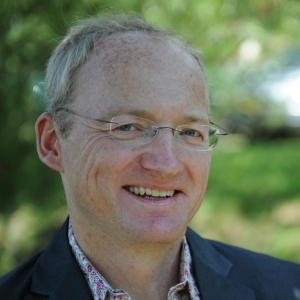
The first independent global scientific report on AI, prepared for the UN by 40 experts including Poland's Piotr Sankowski, warns that the pace of AI development is outstripping states' ability to regulate it.
Contents
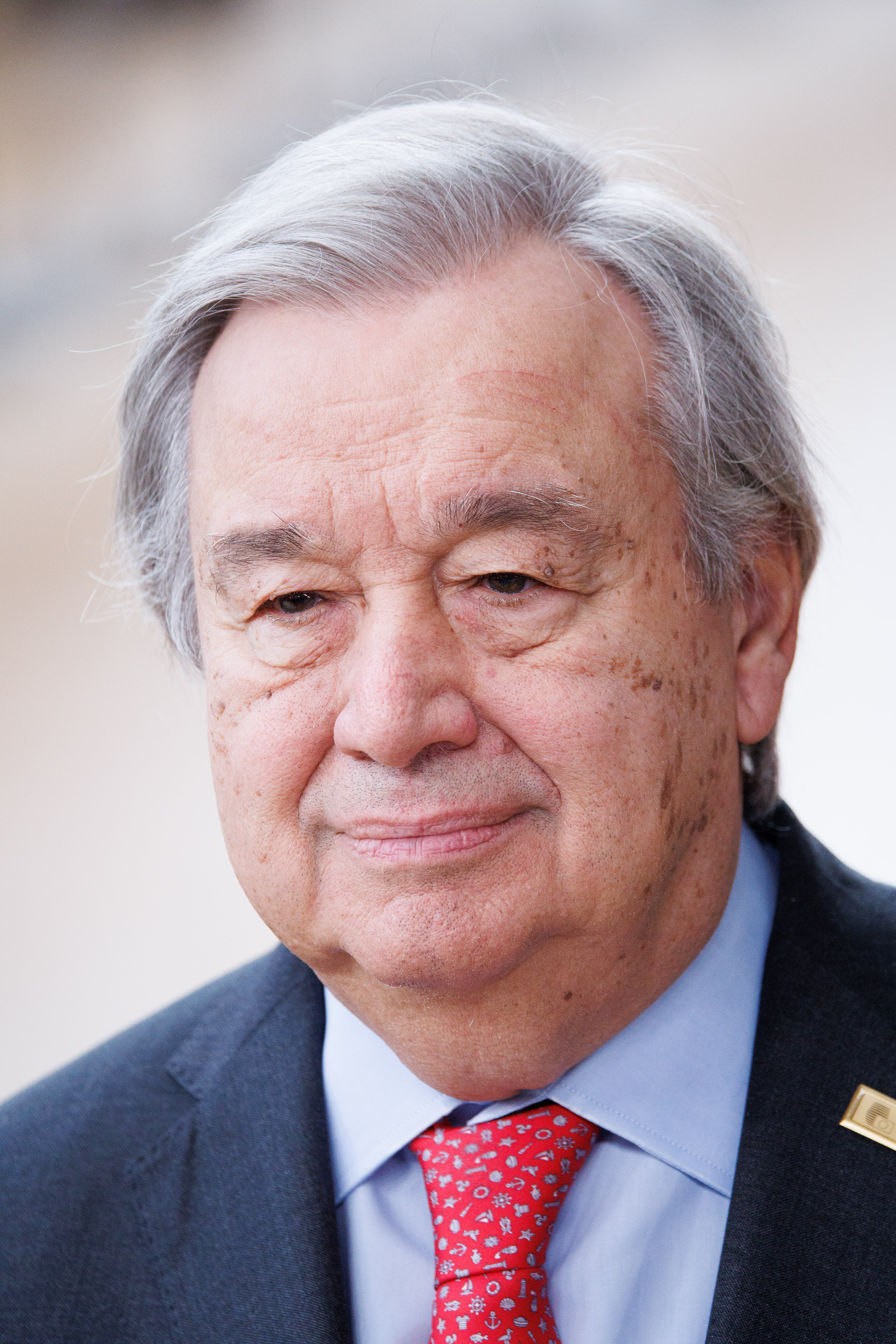
UN Secretary-General Antonio Guterres opened the first-ever UN Global Dialogue on AI Governance in Geneva on July 6, 2026, presenting the findings of the first independent, global scientific assessment of AI. The expert panel's conclusions are unambiguous: the technology is advancing faster than safety systems and regulations can keep pace with it.
What the report covers
The report examines AI's impact on seven key areas, from health and the economy to child safety and human rights. The experts describe a phenomenon they call the evidence dilemma: before regulators can even assess the effects of one generation of AI systems, an even more powerful one is already hitting the market. Among the risks analyzed, the panel highlights the rise of autonomous AI agents operating without ongoing human oversight and growing cybersecurity problems in AI-based systems.
The document also points to deepening global technological inequality. The concentration of computing power in the hands of two countries means most of the world's states have no real influence over the direction of a technology that is already shaping their economies and labor markets. As an example of the pace of progress, the report's authors cite AlphaFold, which has predicted the structures of more than 200 million proteins, a task that just a decade ago would have been considered years of work for laboratories worldwide.
A technology that can transform the economy and the labor market, influence elections, and tip the scales on security is being deployed faster than anyone, including the people building it, can keep up with - Antonio Guterres, UN Secretary-General
A Polish voice among 40 experts
The IISPAI (International Independent Scientific Panel on AI) was established as the first global scientific body dedicated solely to artificial intelligence. Its mandate is to prepare scientific assessments of AI's capabilities, risks, and impacts, to act as an early-warning system, and to bridge AI research and public policy through annual reports and thematic studies.
The sole Polish representative among the 40 experts is Piotr Sankowski, director of the Warsaw-based IDEAS research institute, who beat out more than 2,600 candidates from around the world in the selection process. The Polish scientist's involvement in the panel's work means Poland has direct access to the scientific assessments as they are being developed, before they reach the broader regulatory debate in the European Union and at the UN.
A dialogue without a treaty
The organizers of the Geneva meeting stressed that its goal was not to produce a binding treaty, but to jointly develop principles that limit potential harm while still harnessing AI's potential. Guterres noted that innovation needs guardrails, and that if artificial intelligence is going to be powerful, it must be controlled.
A more comprehensive panel report and a second UN Global Dialogue on AI Governance forum, this time in New York, are planned for next year. Until then, the recommendations from Geneva remain an advisory document with no binding force for member states.
What it means for Poland and Europe
For Polish companies and public institutions, the report carries practical weight, landing on regulators' desks just as the European Union rolls out further elements of the AI Act and Poland is still building its own oversight of AI systems. The warning that the technology's pace of development outstrips regulatory capacity strengthens the case for setting up national oversight mechanisms sooner rather than waiting for further EU guidance.
Piotr Sankowski's presence on the panel also gives Polish science a rare position as co-author of global AI risk assessments, rather than merely a recipient of regulations drafted in Brussels or Geneva. That could translate into greater influence for Polish research institutions over the shape of future UN recommendations on artificial intelligence.