News
Włocławek Hospital Deploys AI to Read X-Ray, CT and MRI Scans
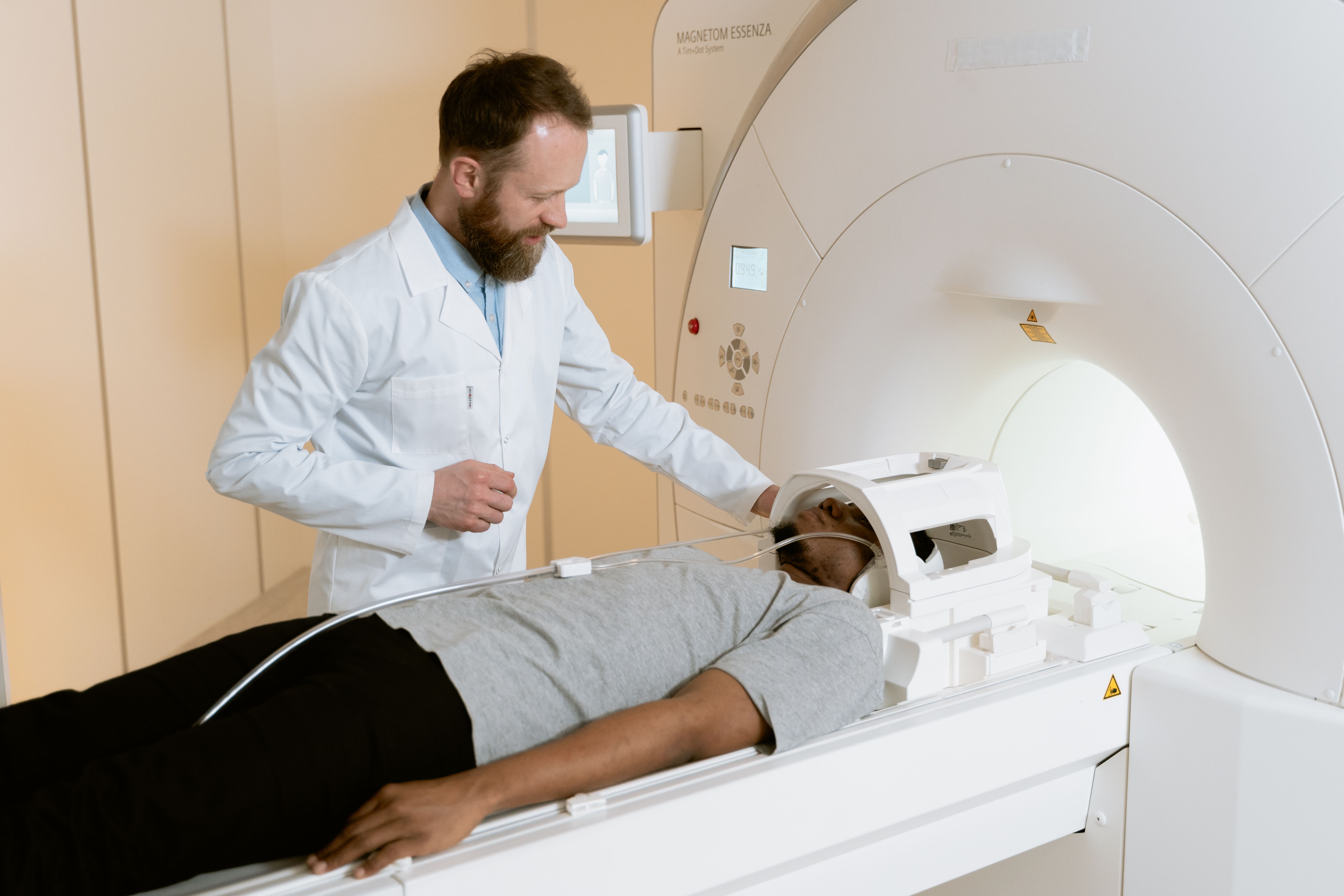
The Provincial Specialist Hospital in Włocławek is expanding its RIS/PACS systems with AI tools to help doctors read X-ray, CT and MRI scans. The project costs over 14.5 million zloty, with 12 million zloty funded by Poland's National Recovery and Resilience Plan.
Contents
The Provincial Specialist Hospital in Włocławek is launching a project meant to ease the workload of radiologists reading X-rays, CT scans and MRI scans. The facility is expanding its RIS and PACS systems, the infrastructure that handles the flow and archiving of diagnostic images, and connecting them to the Intelligent Services Platform, which is meant to provide AI tools that support the preparation of scan reports.
What's changing at the hospital
The system is designed to support the preparation of radiology reports by analyzing images and flagging elements worth the doctor's attention. It is not a standalone diagnostic tool, but an additional analytical layer added on top of radiologists' existing workflow. The hospital stresses that the final assessment of a scan, the diagnosis, and decisions about further treatment remain solely the physician's responsibility.
The AI rollout is part of a broader digitization project at the facility, which also includes expanding electronic medical records and strengthening the cybersecurity of hospital systems. The Włocławek hospital plans to move hospital treatment records almost entirely into the e-Zdrowie (e-Health) system and digitize documents that require the patient's written consent.
Where the money comes from
The total value of the project exceeds 14.5 million zloty. Most of it, 12 million zloty, comes from the National Recovery and Resilience Plan (Krajowy Plan Odbudowy i Zwiększania Odporności, KPO) under an agreement signed with the Ministry of Health. The funds are meant to finance both the expansion of the systems supporting imaging diagnostics and the other elements of the hospital's digitization.
It is another example in Poland of post-pandemic recovery funds going toward investments that combine IT infrastructure with artificial intelligence tools in public healthcare, rather than being spent solely on medical equipment.
Why it matters for patients
Radiologists in Poland have for years faced a growing volume of imaging studies with a limited number of specialists available. AI tools that assist with reading scans could shorten the wait for results and help catch findings that are easy to miss during periods of high workload, though the final interpretation still depends on the physician.
Similar solutions are being tested in other Polish hospitals, but such rollouts are usually pilot projects or limited to a single imaging unit. The scale of the Włocławek project, which covers the facility's entire RIS/PACS infrastructure, sets it apart from earlier, smaller initiatives.
What's next
The hospital has not yet given an exact date for when the AI tools will go live in radiologists' daily work, nor named the technology provider behind the Intelligent Services Platform. The rollout is expected to proceed as part of a broader digitization schedule funded by the KPO, which also includes integration with the e-Zdrowie system.
The outcome of the project will test whether public hospitals in Poland can effectively combine EU funds with the deployment of AI in everyday clinical practice, rather than confining it to pilots limited to single departments.