News
AI Awareness Rises With Income and Education, Study Finds
An analysis of survey data from more than 10,000 American adults finds that better-educated and wealthier people are more likely to recognize when they are dealing with artificial intelligence, and use it more knowingly than the rest of society.
Contents
Artificial intelligence was supposed to level the playing field, but a new academic study shows the opposite. People with higher education and higher incomes are far more likely to recognize when they're using AI-based tools and can knowingly use that awareness to their advantage, while the rest of society falls behind.
How AI awareness was measured
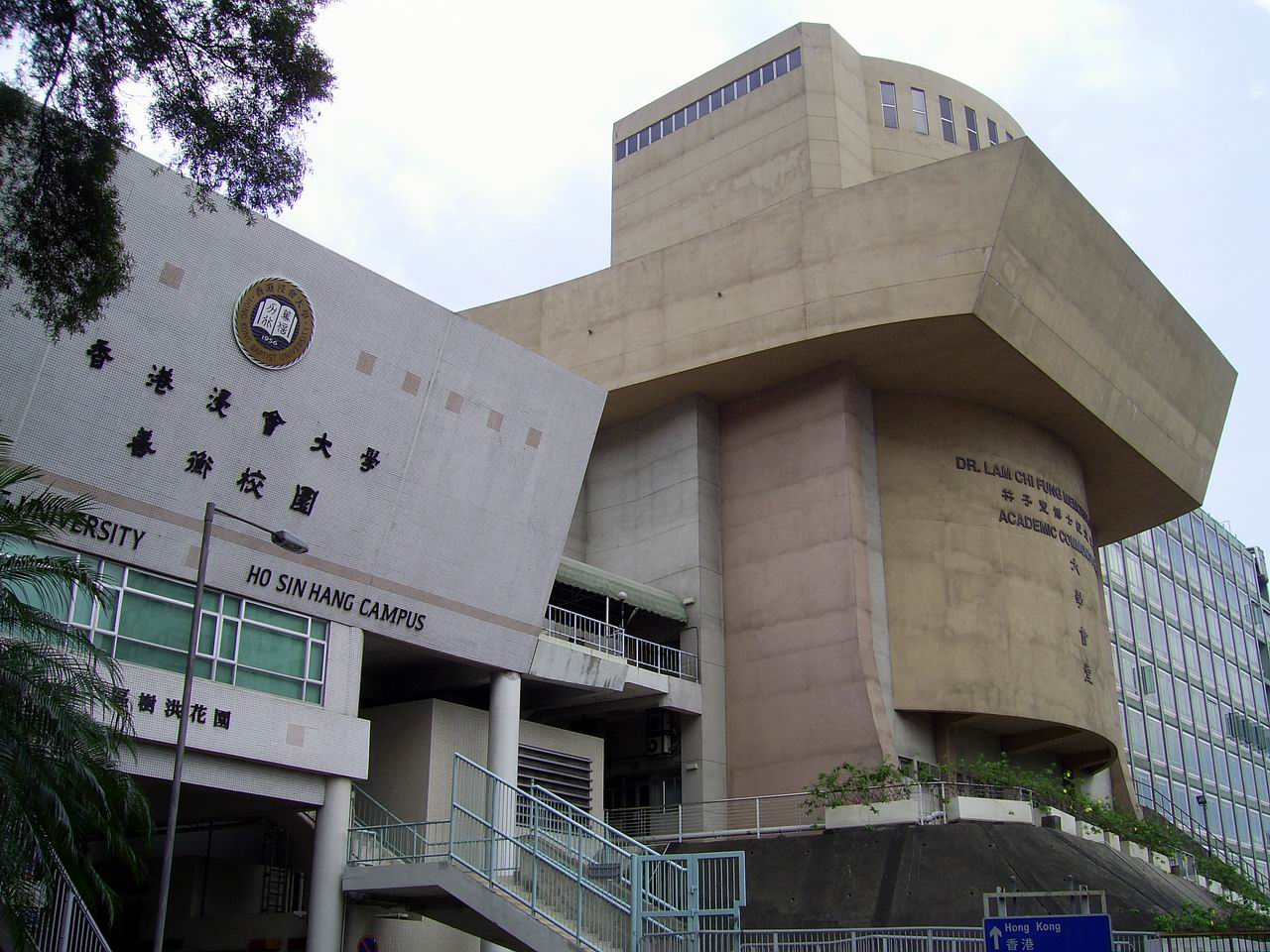
A team led by Prof. Sai Wang of the Department of Interactive Media at Hong Kong Baptist University analyzed survey data collected from more than 10,000 adult Americans as part of the American Trends Panel, a recurring survey run by the Pew Research Center. The researchers distinguished between three phenomena: AI awareness, meaning recognizing where the technology is actually being used, self-reported AI familiarity, understood as a subjective sense of knowing about it, and actual use of AI tools.
The paper was accepted for publication in March 2026 after being submitted in October 2025, and appeared online on May 1, 2026 in Information, Communication & Society, one of the established journals covering digital technology and society research.
Education matters more than income
The study's key finding is unambiguous: it's education level, not income, that correlates most strongly with how well a person recognizes AI's presence around them and how often they use it. People with higher education are more likely to know that a given product, service, or hiring process relies on artificial intelligence algorithms, even when this isn't explicitly disclosed anywhere.
The researchers note that traditional models of digital inequality focused on internet access, computer skills, and the benefits of internet use, all of which assumed the user was consciously interacting with the technology. Artificial intelligence often operates in the background, without clear labeling, which makes this divide harder to notice than the classic digital divide.
Awareness versus actual use
A surprising element of the study is that a subjective sense of AI familiarity turned out to be more strongly linked to recognizing the technology in practice than actually using it. In other words, people who feel well-informed about AI are more likely to notice its presence in various contexts, even if they don't personally use it heavily.
Closing the AI awareness gap is essential, because if only people with higher incomes or education are aware of AI and its applications, this could entrench social inequality - Prof. Sai Wang, Hong Kong Baptist University
As an example, the researcher points to job recruitment. Candidates who know that employers use AI for initial CV screening can tailor their application documents accordingly for the algorithms. Those who lack this knowledge lose out on employment opportunities without realizing why their applications are being rejected.
A similar mechanism applies to everyday digital services. Recommendation systems on streaming platforms such as Netflix or Spotify select content based on analysis of user behavior, yet many users don't realize artificial intelligence is behind this and treat the suggestions as random or neutral.
People with greater awareness may better understand both the opportunities and risks associated with AI, for example recognizing or even creating deepfakes, while people with less awareness are more vulnerable to being deceived or manipulated by these technologies - Prof. Sai Wang, Hong Kong Baptist University
What the researchers propose
Prof. Wang's team recommends information campaigns and community workshops that would explain, in plain language and with practical examples, what AI is and where it operates, aimed particularly at people of lower socioeconomic status. The researchers also call for incorporating AI education into school curricula and adult courses, so that digital competence doesn't depend solely on formal education acquired earlier in life.
The study's conclusions feed into a broader debate also playing out in Poland, where companies and public institutions are increasingly deploying AI tools in recruitment, customer service, and administration, while public awareness of this trend remains uneven. Recommendations on education and transparency about AI use could matter for institutions planning their own deployments of the technology.
The study's author sums up the goal of her work as striving for a situation in which the benefits of technology are not reserved for a narrow group of the best-educated and wealthiest users, but become available to society as a whole regardless of starting point. Sources: Rich more likely to use AI, study finds, as experts warn these burgeoning technologies are increasing social inequality (https://newsroom.taylorandfrancisgroup.com/rich-more-likely-to-use-ai-study-finds-as-experts-warn-these-burgeoning-technologies-are-increasing-social-inequality/), Socioeconomic disparities in AI awareness: examining the mediating roles of AI usage and familiarity (https://www.tandfonline.com/doi/full/10.1080/1369118X.2026.2652505)