News
AI-Generated Fake Doctors Dominate Popular TikTok Health Videos
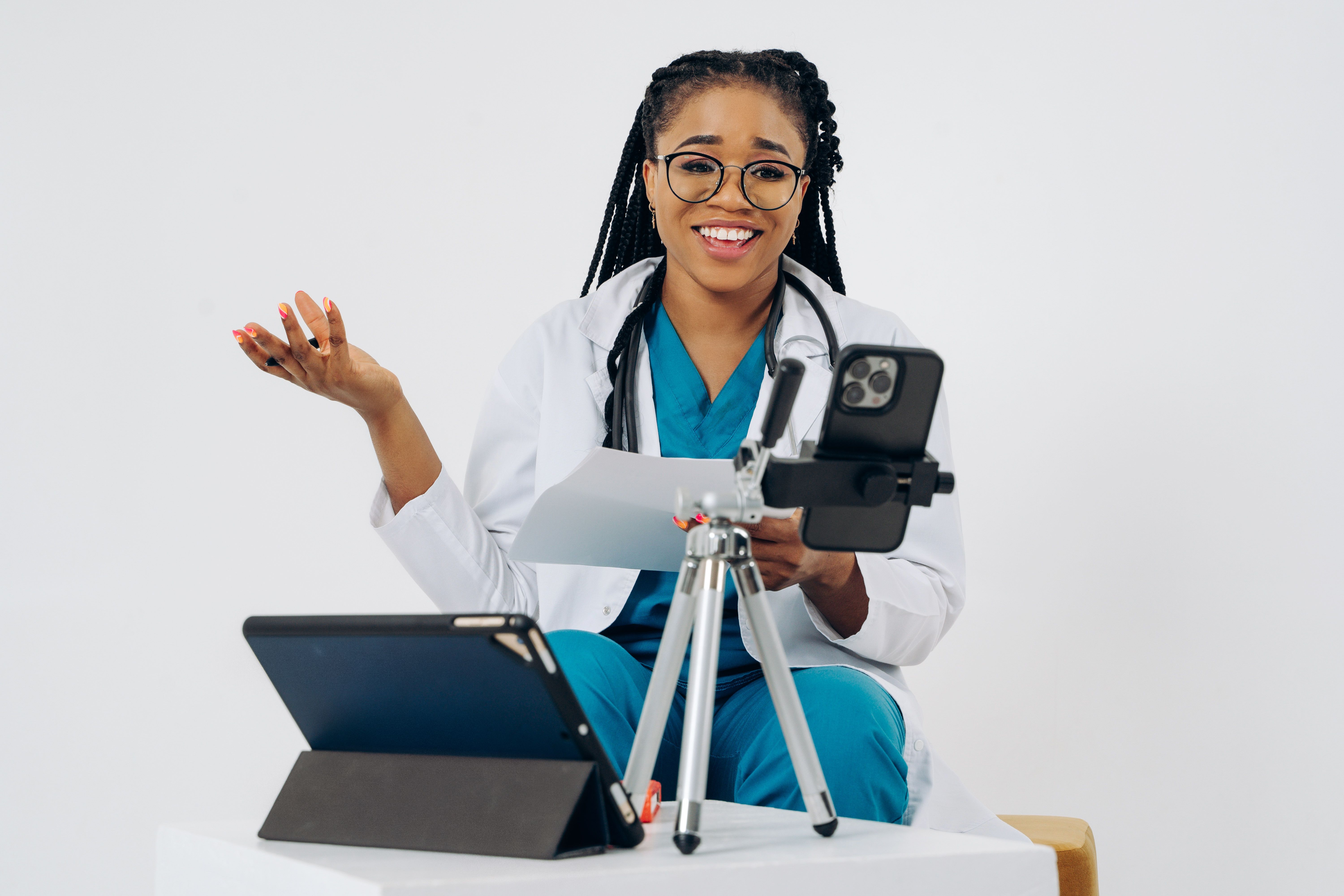
A study by UK agency Hallam found that 40 percent of the most popular health videos on TikTok contain AI-generated content, rising to 84 percent for health-advice searches. Experts warn that fake AI doctors are spreading debunked cancer myths and selling made-up supplements to millions of viewers.
Contents
Four in ten of the most-watched health videos on TikTok were made with the help of artificial intelligence, and accounts impersonating doctors dominate among them. A study by the UK agency Hallam shows that fake AI-generated medical experts rack up an average of 2.5 million views per video, spreading debunked cancer myths and made-up products.
What the Study Found
Hallam analyzed nearly 1,200 health-related videos on TikTok, examining the fifty highest-ranked clips for each search term studied. The result surprised even the study's own authors: in at least four out of ten of the most popular videos, the content was wholly or partly generated by artificial intelligence. When users typed in phrases like health advice, the share of AI-generated clips rose to 84 percent.
These videos typically show a figure in a white coat, speaking to the camera with the confidence of a real specialist. But the faces and voices are synthetic, created with generative tools, and the accounts have no verifiable medical identity. TikTok's rules require AI-generated content to be labeled, yet the creators of these accounts mostly skip that step.
Cancer Myths and Made-Up Supplements
Among the content spread by fake doctors, researchers found claims long debunked by Cancer Research UK, such as that heating food in plastic containers, using deodorant, or sleeping next to a phone can cause cancer. Other accounts recommended exotic home remedies, for instance a mix of Coca-Cola and onion as a pain reliever. Some accounts went further, promoting specific products, one invented anti-aging preparation, named Hyalethinap Plus Pro Max, was advertised across numerous videos despite no trace of it being sold anywhere online, suggesting these accounts exist purely to build engagement or drive traffic to other sales channels.
Expert Voices
Britain's medical community has reacted sharply. The deputy chair of the British Medical Association's council is calling for social media platforms to take greater responsibility for the health content they promote to users.
Platforms like TikTok need to do more to stop the rise of dangerous, fake medical advice - Dr. Emma Runswick, deputy chair of council, British Medical Association
NHS England has voiced similar concerns. The health service's national medical director notes that the effects of this content are already showing up in doctors' offices.
More and more doctors are reporting a growing number of patients who are worried and confused by fake advice - Professor Frankie Swords, national medical director, NHS England
Scale of the Problem and Platform Response
A health misinformation researcher at University College London described the phenomenon as the industrialized exploitation of patients' trust in perceived medical authority. She points out that the creators of these accounts need no medical knowledge or professional accountability whatsoever, yet their output can be indistinguishable from footage of real specialists. The problem isn't limited to fictional characters, the American Medical Association warns that scammers are cloning the faces and voices of real, established doctors, creating deepfakes that impersonate specific individuals. In one documented case, a doctor's own mother was fooled by a fabricated video supposedly showing her daughter.
The scale of the problem goes beyond search results. According to the cited data, nearly 60 percent of the videos shown to new TikTok users on their first visit contain AI-generated content, meaning even people who never deliberately searched for such material end up encountering fake health experts.
What This Means for Polish Audiences
Although the study focuses on the UK market, the mechanism is global, the same TikTok algorithm works identically in Poland, and the tools for generating synthetic faces and voices are just as easily available to Polish-language creators. National regulators do not yet have dedicated tools to detect such accounts, and the EU-mandated requirement to label AI-generated content only takes effect at the turn of July and August.
For social media users, the study is a practical warning, a high view count or a confident tone doesn't prove medical competence, and telling a real doctor apart from a generated mask today requires checking their identity outside the platform itself, for example in medical board registries.